

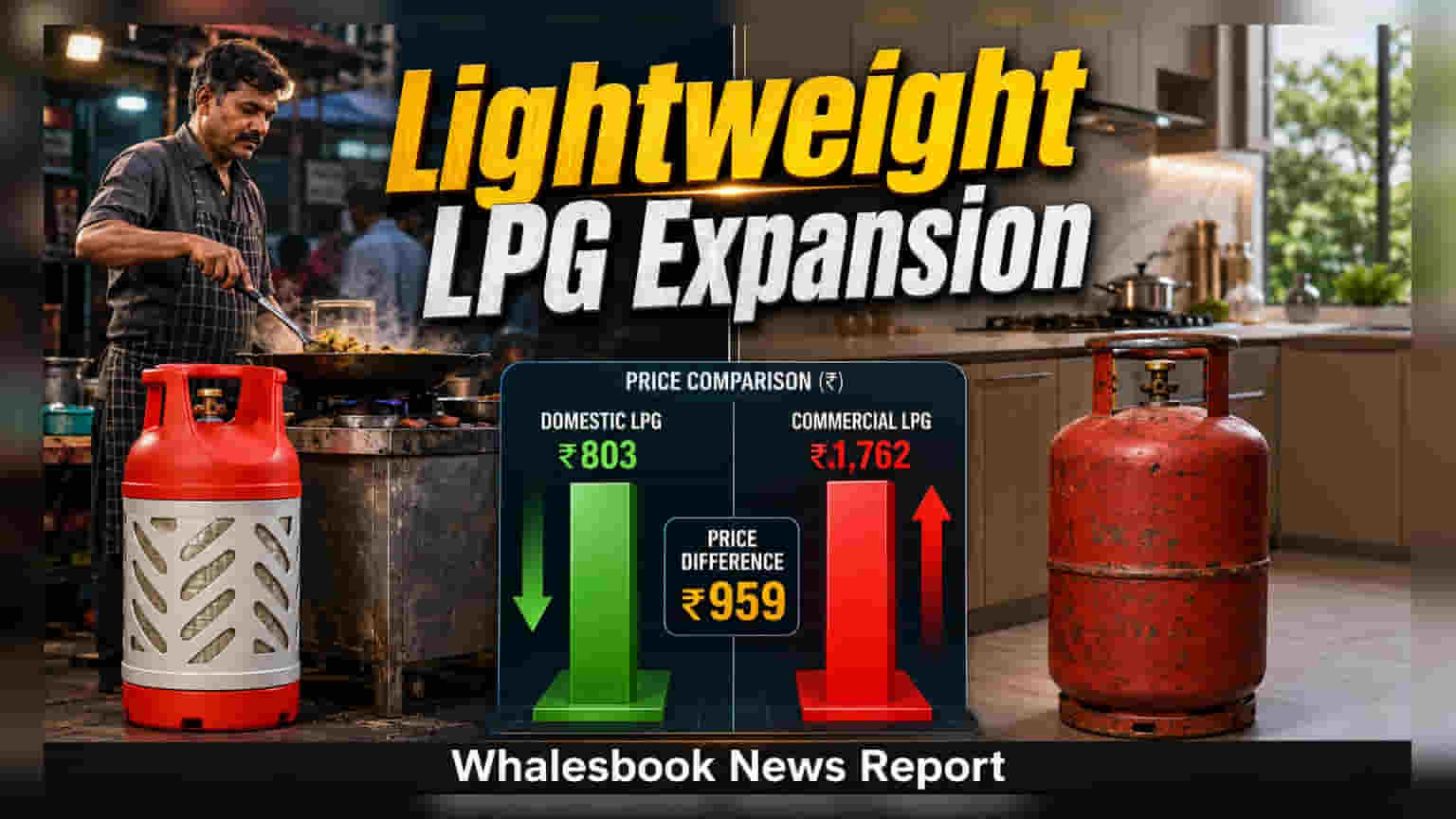
State-run oil marketing companies are evaluating a plan to sell 10-kg composite LPG cylinders at commercial rates. This initiative targets migrant workers, students, and small businesses that find traditional 19-kg cylinders difficult to handle. If implemented, this could provide a more convenient and portable energy option for small-scale users.
State-owned oil marketing companies, including Indian Oil Corporation (IOCL), Bharat Petroleum Corporation (BPCL), and Hindustan Petroleum Corporation (HPCL), are exploring a shift in their distribution strategy for lightweight composite LPG cylinders. The proposal under consideration involves making the 10-kg composite cylinders available to non-domestic users at commercial prices.
Currently, these lightweight cylinders are primarily marketed for domestic households under specific brand names like Indane Xtralight, Bharatgas Lite, and HP Gas Ojas. The expansion aims to address a gap in the market for users who do not have permanent domestic gas connections but need a reliable energy source. This includes temporary residents such as migrant workers, students, and small-scale street vendors who struggle with the weight and storage requirements of traditional 19-kg steel commercial cylinders.
Why Composite Cylinders Matter
Composite cylinders differ from traditional steel versions by using advanced materials that make them significantly lighter, reducing the physical strain of transport and installation. A key feature for users is the translucent body, which allows them to visually monitor the gas level. This removes the uncertainty of sudden fuel depletion and helps users plan their refills more efficiently. For small businesses or those living in cramped urban spaces, the smaller footprint of the 10-kg cylinder offers a practical advantage over larger industrial units.
Financial Context and Market Impact
From a financial perspective, this move could help oil marketing companies tap into a new customer base that is currently underserved by standardized cylinder sizes. Commercial LPG is typically priced much higher than subsidized domestic cooking gas. While domestic users benefit from lower prices, commercial users pay market-linked rates, which often fluctuate based on global oil and gas prices. By introducing a smaller 10-kg unit at these commercial rates, OMCs may improve their sales volume in the small-business segment, provided the pricing remains attractive compared to the larger 19-kg cylinders.
Investors should monitor how this expansion influences the overall margins of oil marketing companies. Since OMCs operate in a highly regulated sector, their profitability is sensitive to government fuel pricing policies, global crude oil benchmarks, and import costs. Any expansion of product lines requires logistical adjustments and could involve initial capital spending on supply chain and distribution networks. The success of this strategy will depend on consumer adoption rates, the final pricing structure set for these commercial 10-kg units, and whether it effectively shifts demand from existing unauthorized or less efficient energy sources. Future company updates regarding the rollout schedule and specific pricing models will be the key monitorables for shareholders.