

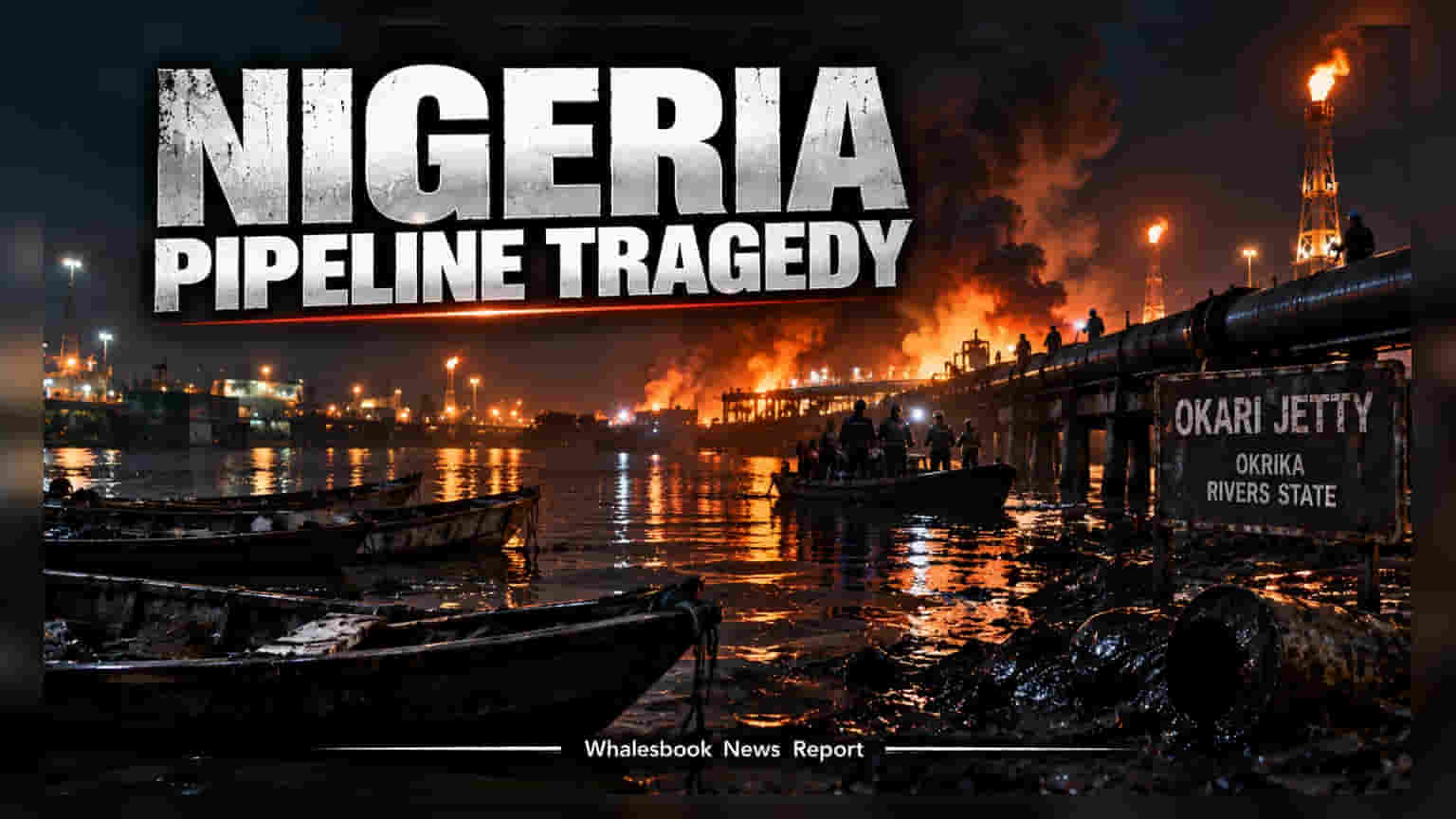
A deadly incident at the Okari Jetty in Rivers State, Nigeria, has resulted in at least 37 deaths during an illegal attempt to siphon fuel from a pipeline. This tragedy highlights the ongoing security challenges in the Niger Delta, where pipeline vandalism continues to threaten infrastructure, regional safety, and national energy output.
A tragic incident occurred early Thursday in the Okari Jetty area of Okrika, Rivers State, Nigeria, resulting in the deaths of at least 37 people. The victims were reportedly involved in an illegal operation to siphon petroleum products from an active pipeline when toxic fumes were released, leading to immediate casualties. Local authorities, including the Rivers State Police Command, have launched an investigation into the event, though the final death toll remains unconfirmed as rescue efforts continue.
Operational and Security Risks to Energy Infrastructure
For investors and companies involved in the energy sector, this event serves as a stark reminder of the chronic security risks associated with pipeline networks in the Niger Delta. While this specific incident involved illegal local siphoning, the broader issue of pipeline vandalism and crude theft has been a persistent hurdle for energy operations in the region for years. Such activities not only pose significant threats to human life and the environment but also disrupt the stability of essential energy supply chains.
Large-scale infrastructure projects in the region often face high operational costs due to the need for advanced security, surveillance, and remediation efforts. When illegal bunkering or tapping occurs, it leads to unplanned shutdowns, maintenance delays, and financial losses due to the theft of refined products or crude oil. From a governance and social impact perspective, these risks are critical factors that analysts and institutional investors monitor when evaluating energy investments in developing regions.
Impact on Regional Stability
The recurring nature of these incidents underscores the complex socio-economic challenges in the Niger Delta. Illegal siphoning is often driven by local economic desperation, but it results in catastrophic accidents that affect communities and regional industrial output. The economic impact is felt at a national level, as stolen fuel and crude oil reduce government revenue and distort domestic energy markets.
Security agencies, such as the Nigeria Security and Civil Defence Corps, are tasked with curbing these activities, but the vast and often remote nature of pipeline infrastructure makes full protection extremely difficult. The primary monitorables for the sector will be the government’s success in implementing stricter security measures and whether upcoming energy infrastructure projects can successfully integrate enhanced community engagement and surveillance technologies to prevent future tragedies. Investors in the energy sector will continue to track how these security hurdles influence the overall reliability and profitability of operations within the Nigerian oil and gas ecosystem.