

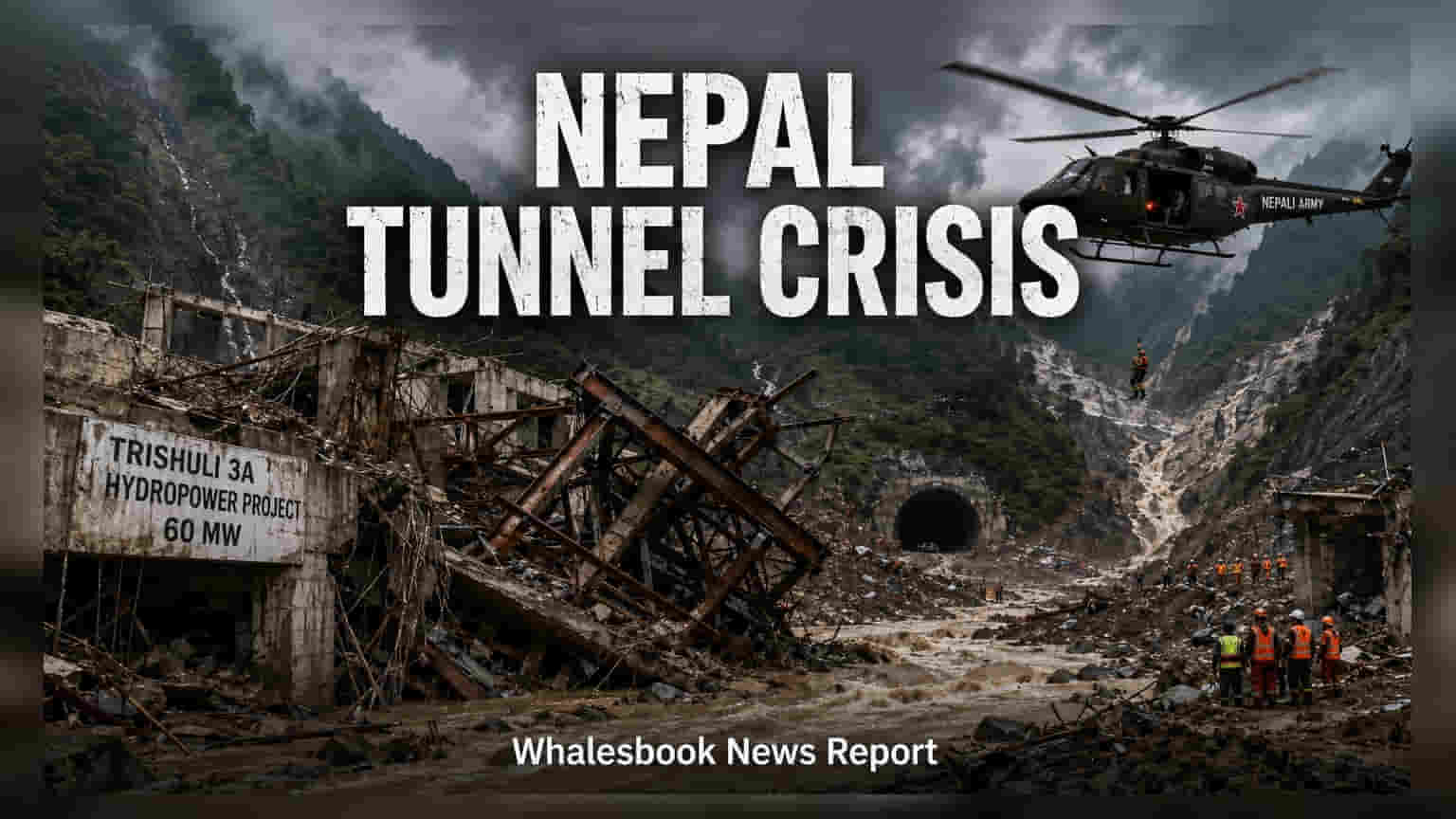
Over 100 people remain trapped in the 60 MW Trishuli 3A hydropower tunnel following a catastrophic glacial collapse on August 26 that triggered widespread flooding in Nepal. The disaster has damaged at least 12 power projects in the Rasuwa district, potentially impacting 430 MW of capacity and regional energy stability, which has led to volatility in local insurance and hydropower stocks.
Rescue operations are currently under way in Nepal as teams struggle to locate and evacuate more than 100 individuals trapped inside the 60 MW Trishuli 3A hydropower project tunnel. The crisis began on August 26 when a glacial collapse near the Nepal-Tibet border triggered sudden, massive flash floods. While 350 individuals have been airlifted to safety, the rescue mission faces immense difficulties due to the destruction of roads, bridges, and critical access points in the Rasuwa district.
Impact on Energy Infrastructure
The scale of the disaster extends well beyond a single facility. Official assessments indicate that at least 12 hydropower projects across the Rasuwa region have suffered significant damage. The combined capacity of these affected facilities is estimated at over 430 MW. This represents a substantial portion of the region's power generation capacity, raising concerns about the stability of the local energy grid and the potential for long-term disruptions to power supply.
For investors monitoring the regional energy market, the destruction of physical assets creates immediate financial pressure. Hydropower projects often require long-term capital investment, and major structural damage to tunnels and generation facilities can lead to extended shutdowns, maintenance cost overruns, and lost revenue. This is particularly relevant given that Nepal’s energy strategy has focused on scaling up hydroelectric power, partly to support energy exports to India.
Market Reaction and Sector Risks
The uncertainty surrounding the extent of the damage has prompted volatility in the Nepal Stock Exchange (NEPSE). Investors have been cautious, with selling pressure seen in shares of hydropower companies and non-life insurance firms. The insurance sector faces direct risk, as companies may have to process a high volume of claims related to infrastructure damage and business interruption. The ultimate financial impact on these insurance firms will depend on their risk coverage and reinsurance policies.
Looking ahead, the most critical monitorable is the success of the ongoing rescue operations, which remains the immediate priority. Once the humanitarian crisis is managed, the focus will shift to a comprehensive assessment of the infrastructure damage. Market participants will likely track reports on the feasibility of repairing the damaged tunnels and powerhouses, the timeline for restoring grid stability, and any updates on insurance claim filings from the affected power project developers. The broader impact on regional power export plans will also become clearer as the extent of the generation capacity loss is fully quantified.