

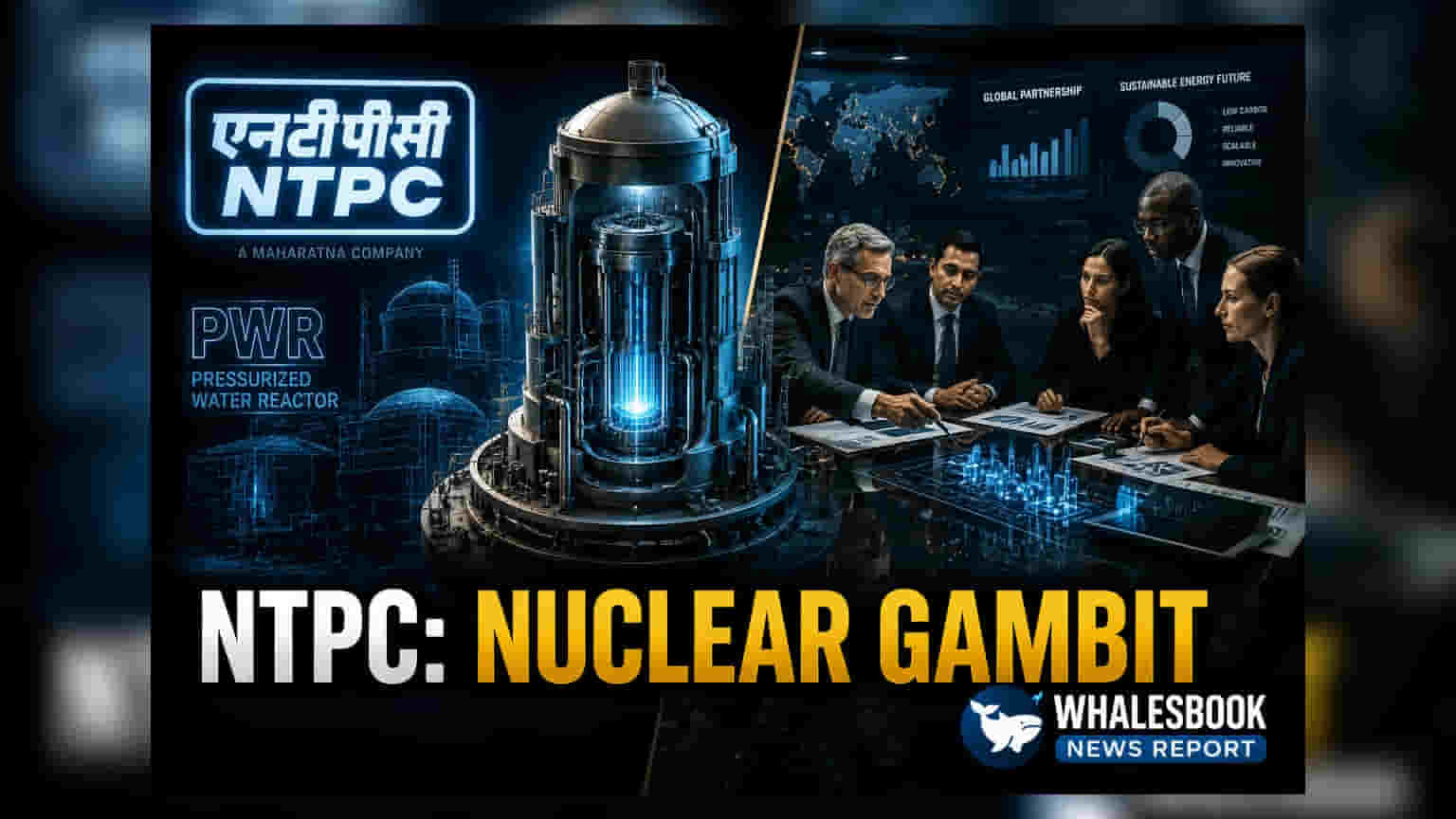
NTPC Ltd. has invited global consultants to assist with its plan to build 30 GW of nuclear power capacity by 2047 using Pressurised Water Reactor technology. This initiative follows the SHANTI Act, which opens the nuclear sector to broader participation. Investors should track project timelines and the impact of these capital-intensive investments on the company's debt levels.
NTPC Ltd., India’s largest power generation company, has taken a significant step toward its goal of becoming a major player in nuclear energy. The company has invited expressions of interest from global consultants to help prepare tender documents and manage contract awards for large-capacity nuclear projects. The consultants will provide technical and strategic support, with a submission deadline set for August 5, 2026.
This move comes after the government enacted the SHANTI Act in December. The legislation is a key development for the sector as it allows for broader participation in nuclear power generation and addresses concerns regarding the liability of equipment suppliers. By leveraging this regulatory change, NTPC aims to contribute 30 GW to India’s national target of 100 GW of nuclear capacity by 2047.
Shift Toward Global Reactor Technology
NTPC’s current strategy focuses on Pressurised Water Reactor (PWR) technology. While India has historically relied on indigenously developed Pressurised Heavy Water Reactors (PHWRs), PWRs are widely used in global markets. The company is exploring international partnerships to bring this technology into the country. To support this objective, NTPC has already entered into non-disclosure agreements with major global players, including Russia's Rosatom and France's EDF.
Financial and Strategic Context
For investors, NTPC’s pivot to nuclear energy represents a shift in its capital allocation strategy. The company is traditionally known for its coal-based power generation, but it is actively diversifying its portfolio into renewable and clean energy sources. The Mahi Banswara Rajasthan Atomic Power Project, managed through a joint venture called ASHVINI with the Nuclear Power Corporation of India, is one of the initial projects under this transition.
However, large-scale nuclear power projects involve long gestation periods, high capital spending, and complex regulatory requirements. While these projects align with national energy security goals, they require substantial long-term funding. Investors may want to monitor how the company balances this expansion with its existing debt levels and operational cash flow. Any significant increase in debt to fund these long-term projects could affect the company’s financial flexibility in the medium term.
Future Monitorables
The most important updates for investors will be the finalization of these consultancy contracts, the timeline for selecting technology partners, and the formal announcement of specific project locations and investment sizes. Because nuclear projects are subject to strict safety regulations and long construction phases, tracking the pace of regulatory approvals and the company’s ability to manage project execution risks will be vital.