

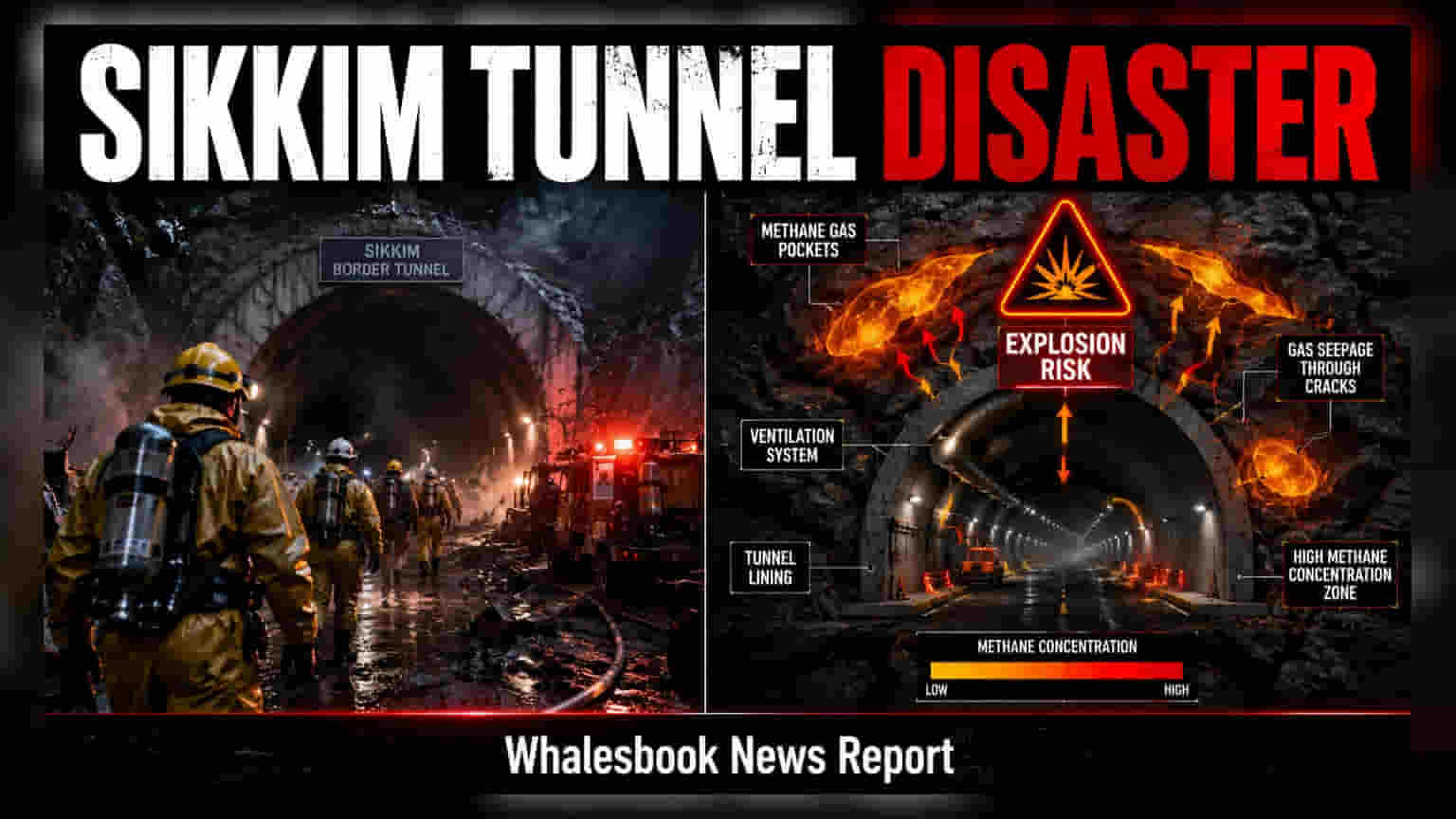
A methane-related explosion at NHPC's under-construction Teesta Stage-VI hydroelectric project in Sikkim has resulted in seven confirmed deaths. Rescue teams are struggling to reach 18 trapped workers due to toxic gas and poor tunnel conditions, which may impact project timelines and safety oversight.
Detailed Coverage
A major industrial accident occurred at the Teesta Stage-VI hydroelectric project site in Sikkim’s Namchi district, where an explosion in an under-construction tunnel has claimed seven lives. According to official reports, 18 additional workers remain trapped deep within the structure. The project is being developed by NHPC Limited, a central public sector undertaking involved in power generation across India.
Hazardous Conditions Complicate Rescue Operations
Rescue efforts, involving the National Disaster Response Force (NDRF) and State Disaster Response Force (SDRF), are currently facing severe operational challenges. Specialized teams have reported that methane gas accumulation and low oxygen levels inside the tunnel are creating life-threatening conditions for rescuers. The presence of these gases has necessitated the arrival of expert teams equipped with specialized breathing apparatus to safely navigate the site, which extends approximately 1.5 kilometers into the underground passage.
Likely Cause and Project Implications
Preliminary observations by local authorities suggest that the incident may have been triggered by a methane venting attempt. When workers tried to release built-up gas from the underground strata, it reportedly ignited, causing a collapse that blocked the primary exit route. This incident highlights the significant geological and safety risks involved in complex, large-scale hydroelectric tunnel construction in Himalayan terrain.
For investors, the immediate monitorable is the impact on project execution and potential regulatory scrutiny. The Teesta Stage-VI project is a critical component of NHPC’s efforts to expand its hydroelectric capacity. Delays in construction often lead to cost overruns due to increased interest expenses and extended timelines for commissioning. Furthermore, the company may face heightened oversight from environmental and safety regulators, which can influence future operational workflows.
Investors will likely track official updates regarding the safety of the remaining trapped workers, the cause of the gas accumulation, and any subsequent directives from the Ministry of Power or safety regulators. The company’s ability to stabilize the site and provide a transparent account of the safety failures will be key to managing the incident’s long-term impact on its reputation and project delivery schedule.