 Whalesbook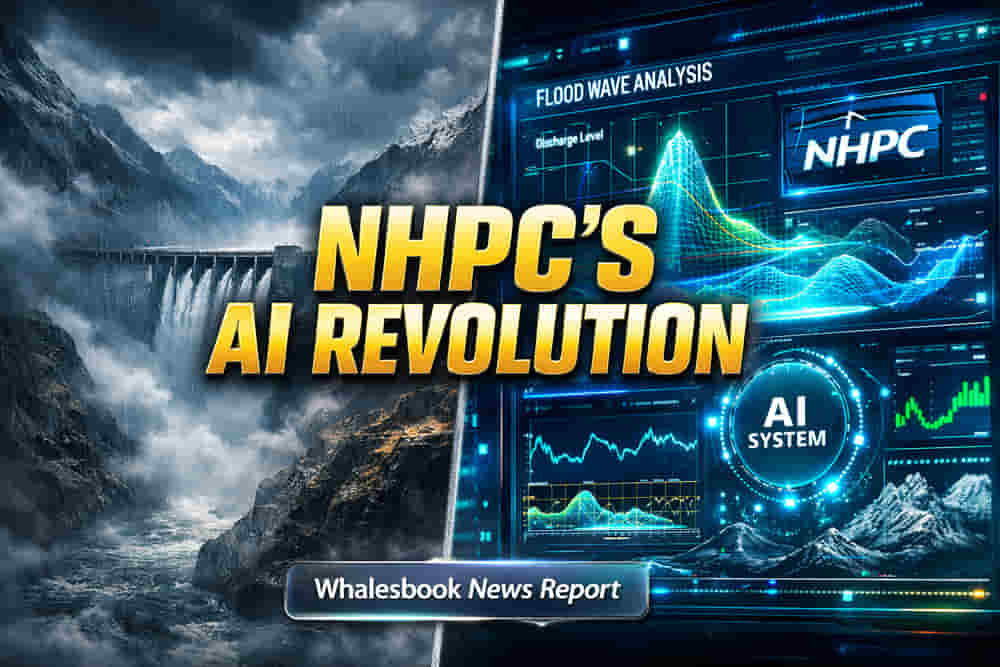


### The AI-Driven Resilience Imperative
NHPC is strategically deploying artificial intelligence and machine learning not merely for operational upgrades, but as a critical defense mechanism against the escalating threats posed by climate change to its extensive Himalayan hydropower infrastructure. The state-owned utility's latest Sustainability Report highlights AI/ML-driven performance analytics and early-warning systems as core to improving reliability, reducing outage risks, and strengthening climate resilience across its fleet. A significant component of this strategy involves AI-backed risk forecasting, exemplified by a collaboration with NRSC (ISRO). This partnership encompasses satellite-based monitoring and risk ranking of glacial lakes across 26 hydropower stations, with an Early Warning System (EWS) methodology being developed using lake-level data and advanced modeling. The company's AI-driven Early Warning System is designed to bolster dam safety, enhance operational efficiency, and improve disaster preparedness through real-time data analytics and predictive insights. This proactive integration of technology addresses the inherent vulnerability of hydropower assets to extreme weather events, a growing concern in the Himalayan region.
### Competitive Digitalization Landscape
NHPC's embrace of AI places it within a broader trend of digitalization across India's power sector. Competitors are also making significant technological strides. NTPC, India's largest power producer, is implementing AI for employee experience management, training simulators, HR query chatbots, and fleet-wide plant monitoring through Toshiba's EtaPRO system, which aims to enhance reliability and predictive maintenance across up to 165 facilities. SJVN Limited is focusing on AI for solar PV research, developing predictive diagnostics for fault identification and proactive maintenance in solar installations, alongside using advanced warning systems for flash floods. Tata Power is leveraging AI and ML for optimizing power generation, billing, and collections, utilizing predictive analytics to minimize equipment downtime and is developing a digital platform for 'Energy as a Service'. Tata Power-DDL is also integrating AI for energy system modeling and forecasting and is automating its distribution networks. While NHPC's focus is predominantly on asset resilience and climate risk mitigation, its peers are exploring broader applications from HR to customer service and advanced grid management.
### Financial & Market Context
NHPC Limited, currently holding a market capitalization of approximately ₹75,000 - ₹76,000 crore, operates with a debt-to-equity ratio of 0.94, indicating a low proportion of debt in its capital structure. Its P/E ratio hovers around 23.8 to 38.14, with some analyses suggesting this may be high relative to its earnings. The company reported a modest sales growth of 7.12% over the past year and a profit decline of 17.14%. Analyst sentiment is largely neutral, with a consensus rating of 'Hold' from seven analysts, an average 12-month price target of 87.00 INR, and a high estimate of 117.00 INR. Another estimate places the average target at 128 INR. NHPC recently secured an ESG score of 61 out of 100 from S&P Global, reflecting its sustainability efforts. The broader Indian power sector is undergoing significant digitalization, with AI and ML being crucial for managing the increasing penetration of variable renewable energy sources and evolving grid complexities.
### The Forensic Bear Case
Despite NHPC's strategic investment in AI for resilience, a cautious outlook is warranted. The company has exhibited poor sales growth over the past five years and a significant profit decline in the last fiscal year. Concerns regarding a potentially strained balance sheet have also been noted. The substantial investment required for widespread AI implementation and SCADA upgrades could exert pressure on financial resources, especially given its relatively high P/E ratio, which suggests current market expectations may be elevated compared to recent performance. Furthermore, while NHPC's Himalayan assets are prime candidates for AI-driven risk management, their inherent susceptibility to extreme weather events—a factor driving this AI adoption—remains a fundamental risk. The neutral analyst consensus and varying price targets indicate a lack of strong conviction from the market regarding the company's near-term upside potential.
### Forward Trajectory & Outlook
NHPC's commitment to integrating AI and advanced analytics signals a forward-looking strategy focused on de-risking its operations and enhancing efficiency. The company's 'Navratna' status provides enhanced financial flexibility for such strategic investments. The ongoing SCADA upgradation and asset condition monitoring initiatives are foundational to its digital transformation, aiming for centralized fleet supervision and continuous diagnostics. As the Indian power sector navigates increasing renewable integration and demand growth, NHPC's pivot towards AI-driven resilience positions it to manage operational volatility and climate-related challenges more effectively. The success of these AI initiatives will be crucial in translating technological investment into improved asset performance and sustained financial health, potentially supporting analyst price targets and enhancing its standing within the evolving energy landscape.