 Whalesbook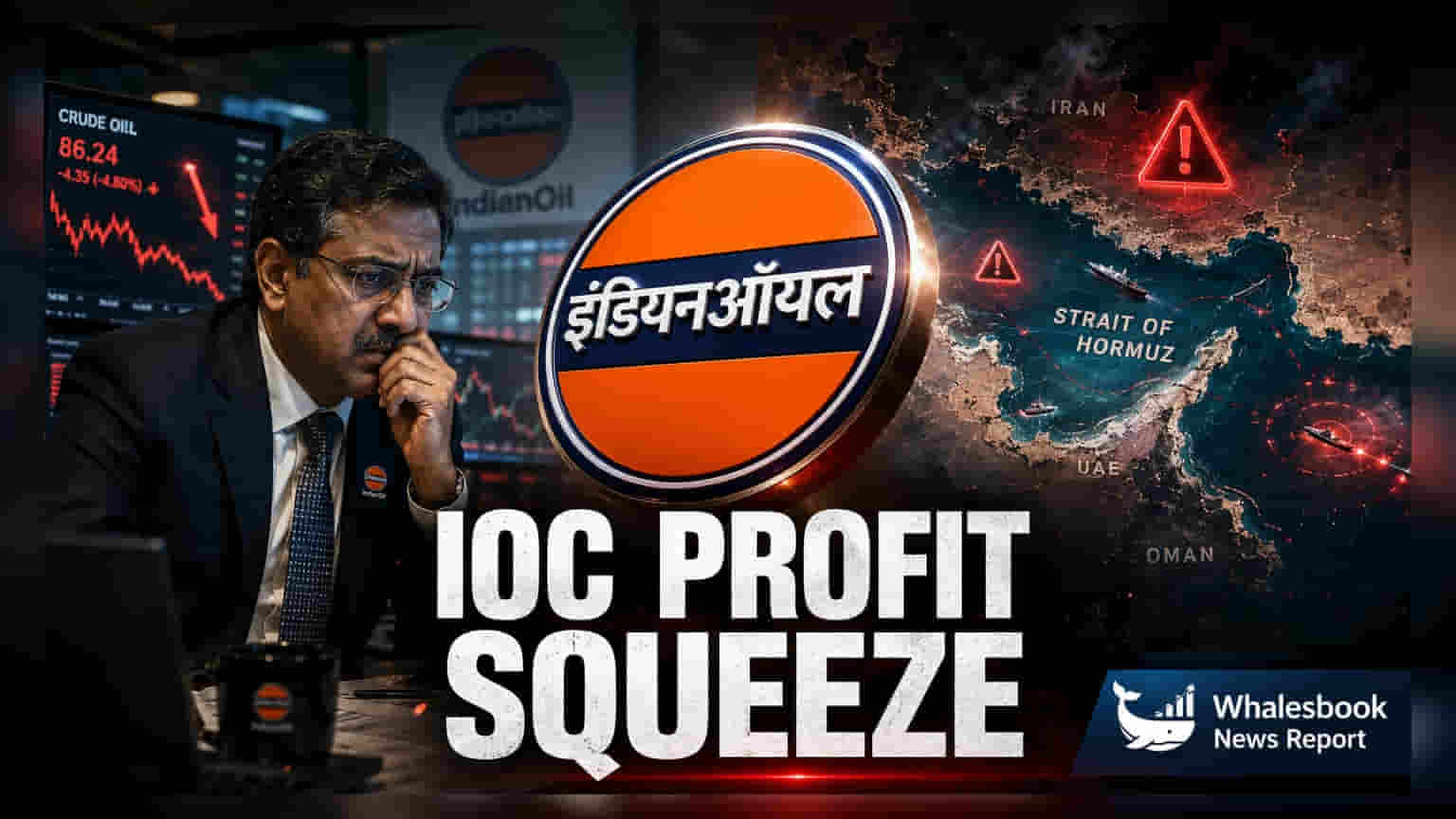


Margin Squeeze Amid Geopolitical Tensions
Indian Oil Corporation (IOC) is feeling the pinch as ongoing geopolitical tensions in the Middle East drive up crude oil prices. S&P Global Ratings highlights that IOC is under significant pressure to balance keeping domestic fuel prices affordable with maintaining profitability. The conflict in the Middle East raises risks, especially concerning potential disruptions in the Strait of Hormuz, which could further increase costs for India, a major oil importer. This situation threatens IOC's earnings, cash flow, and liquidity over the next twelve months. S&P noted that its forecasts could change significantly if the gap between retail fuel prices and the cost of crude oil continues to grow. This presents a difficult challenge for IOC, particularly as diesel makes up a large portion of India's fuel consumption. "IOC faces a conundrum. Its earnings and cash flow over the next 12 months are turning increasingly uncertain as the Middle East conflict becomes protracted," S&P stated.
Financial Strengths and Government Support
Despite these pressures, IOC has strong financial defenses. The company has access to significant working capital lines and a history of raising funds through commercial paper. Additionally, IOC holds valuable minority stakes in companies like Oil and Natural Gas Corp (ONGC) and Oil India Ltd, worth over $3 billion, offering more financial flexibility. A key factor is the Indian government's ability to provide extraordinary support during difficult financial times. This has been seen before with government actions like reducing excise duties and adjusting petrol and diesel prices, showing a commitment to market stability.
Strong Performance Despite New Risks
In contrast to current challenges, IOC achieved a robust financial performance for the fiscal year ending March 2026, surpassing expectations. This strong showing was driven by healthy fuel demand, better refining margins, and effective working capital management. The company reported substantial free operating cash flow of Rs 40,000 crore against adjusted debt of nearly Rs 1.3 lakh crore. Earnings before interest, taxes, depreciation, and amortization (EBITDA) exceeded Rs 76,000 crore, boosted by strong volume growth and improved refining margins. This recent financial strength provides a buffer as IOC navigates the increasing risks from Middle Eastern crude supply dynamics.