

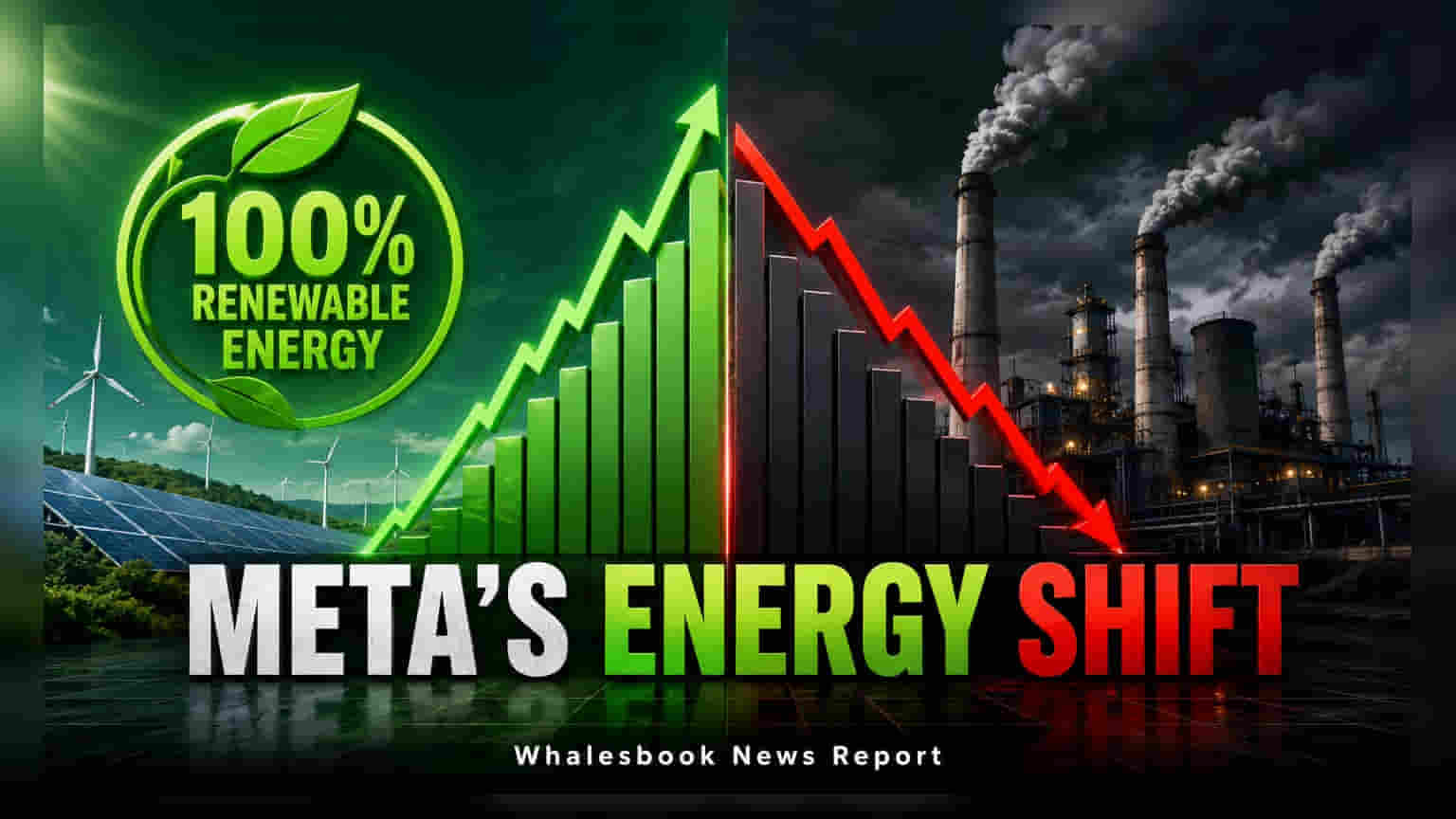
Meta Platforms has left the RE100 renewable energy initiative after ten years to focus on natural gas power for its AI data centers. This move highlights a conflict between the company's energy needs for high-compute infrastructure and its past sustainability commitments, putting it out of step with tech peers like Microsoft and Google.
Detailed Coverage
Meta Platforms has officially ended its decade-long membership in RE100, an influential global coalition of companies dedicated to using 100% renewable electricity. This departure marks a significant change in strategy for the social media giant, as it increasingly prioritizes reliable, round-the-clock power sources to support the massive energy demands of its artificial intelligence infrastructure.
Expanding Gas Infrastructure for AI
The company is currently overseeing a rapid expansion in its power strategy, funding the development of at least a dozen natural gas power plants to support its data centers. This includes major projects in Louisiana and additional facilities dedicated to the Hyperion data center project. Collectively, these new energy assets are expected to generate 7.5 gigawatts of electricity. To put this scale in perspective, a single facility among these projects is designed to generate power equivalent to the total electricity consumption of South Dakota. Meta maintains that these investments are necessary to ensure the constant, stable energy supply that modern AI model training requires.
Divergence from Tech Peers
Meta’s exit from the RE100 comes as the group has introduced more rigorous reporting requirements for its members. While Meta is moving away from these stricter standards, major competitors including Alphabet’s Google, Microsoft, and Apple remain members of the initiative. This divergence underscores a growing tension within the technology sector regarding how to best fuel the energy-intensive AI boom. Unlike Meta’s approach, which relies heavily on purchasing environmental certificates to offset usage, some competitors like Microsoft are investing in hourly energy matching, which attempts to pair renewable energy production more closely with actual power consumption.
Sustainability and Regulatory Context
While Meta states that its operations will continue to be matched by clean energy purchases, the shift toward natural gas raises valid concerns regarding its long-term environmental footprint. Natural gas, while considered a transition fuel, still releases pollutants such as nitrogen oxides and carbon monoxide. Investors may monitor whether this move leads to increased scrutiny from environmental, social, and governance (ESG) focused funds or if it invites new regulatory questions regarding the company's public sustainability claims. The long-term financial impact remains linked to both energy costs and the company's reputation among investors who prioritize strict renewable energy benchmarks.