

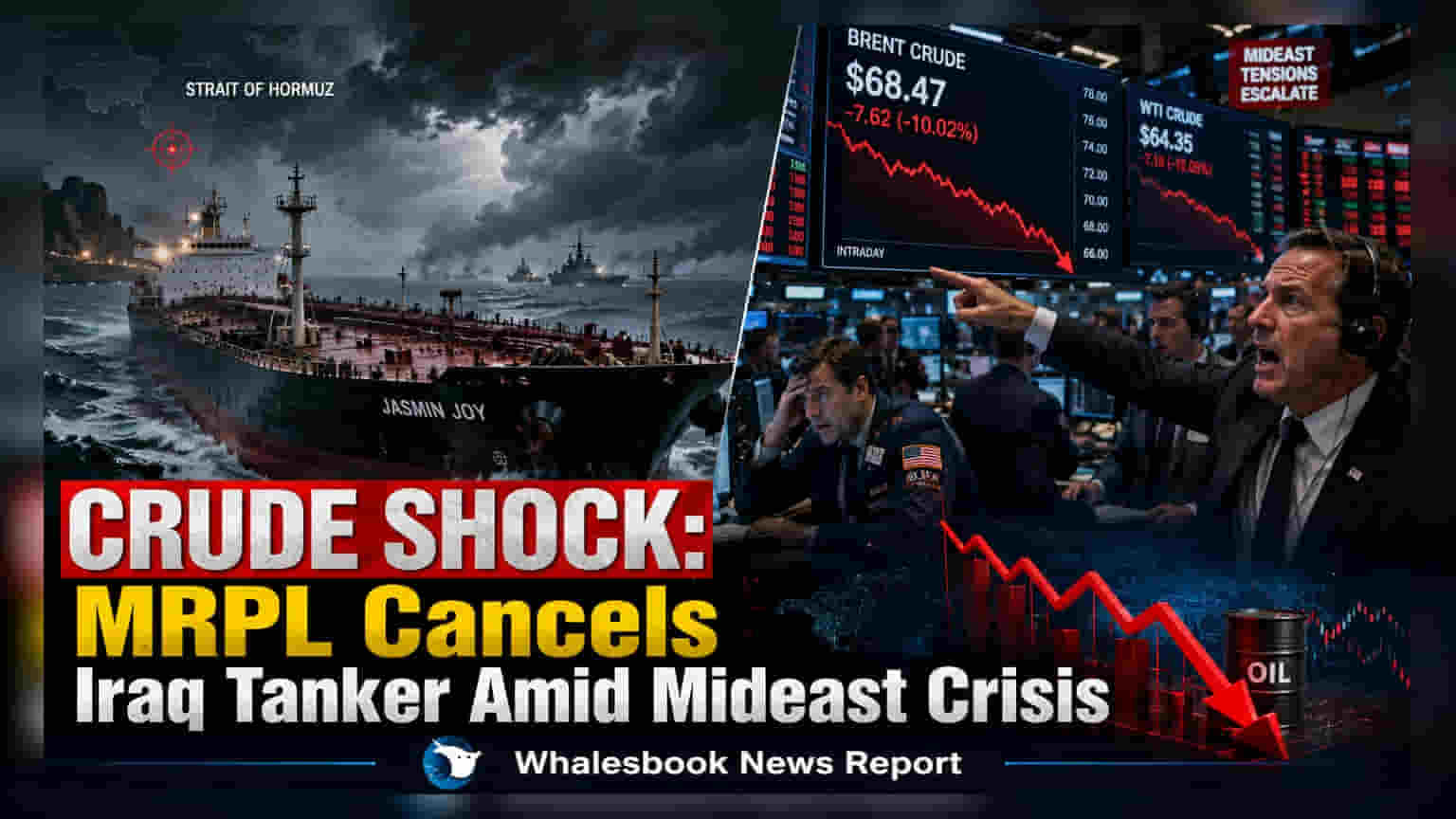
Mangalore Refinery and Petrochemicals (MRPL) has cancelled its charter for the Aframax tanker 'Jasmin Joy' previously booked to transport crude oil from Iraq. While the company cited technical reasons, the move highlights supply chain risks for Indian refiners operating near volatile maritime routes.
Mangalore Refinery and Petrochemicals Ltd (MRPL) has cancelled its booking for the Aframax tanker named Jasmin Joy, which was originally scheduled to transport crude oil from Iraq. The company has officially attributed this cancellation to technical reasons. While this specific tanker charter has been scrapped, the company is reportedly working to secure an alternative vessel to maintain its crude oil import schedule.
Maritime Security and Supply Risks
This development takes place as tensions in the Strait of Hormuz have become a significant concern for global energy markets. This waterway serves as a vital route for crude oil shipments originating from the Middle East. Increased maritime risks can often lead to higher shipping costs, insurance premiums, and potential delivery delays for refineries that rely on these regions for feedstock.
For an oil refinery like MRPL, the ability to manage its supply chain logistics is essential for maintaining smooth operations. Any disruption in securing timely transportation for raw material can lead to operational challenges, such as the need to adjust production levels or source crude from more expensive alternative markets at short notice. Historically, refineries with higher debt levels or tighter cash flows are more sensitive to such supply chain disruptions because increased shipping costs can directly impact their profit margins.
Financial and Operational Context
MRPL, a subsidiary of Oil and Natural Gas Corporation (ONGC), operates a significant refining complex in Mangalore. As a complex refinery, the company's financial performance is closely tied to its gross refining margins, which is the difference between the cost of crude oil and the value of refined products it sells. Sudden changes in logistics, such as the need to re-book vessels in a competitive or restricted shipping market, can introduce variability in these margins.
Investors typically track the company's ability to maintain a steady flow of raw materials without significant spikes in operational spending. Because the energy sector is capital-intensive, the company’s ability to manage its debt and liquidity remains a long-term monitorable. Any sustained geopolitical friction that forces shifts in sourcing or increases transportation costs could pressure these financial metrics.
Moving forward, the primary focus for market observers will be the speed at which MRPL secures a replacement vessel and whether there is any significant cost difference or delay in the planned crude oil delivery. Changes in the availability of shipping capacity in the Middle East and any updates from the company regarding its procurement strategy will be the next important items to track.