

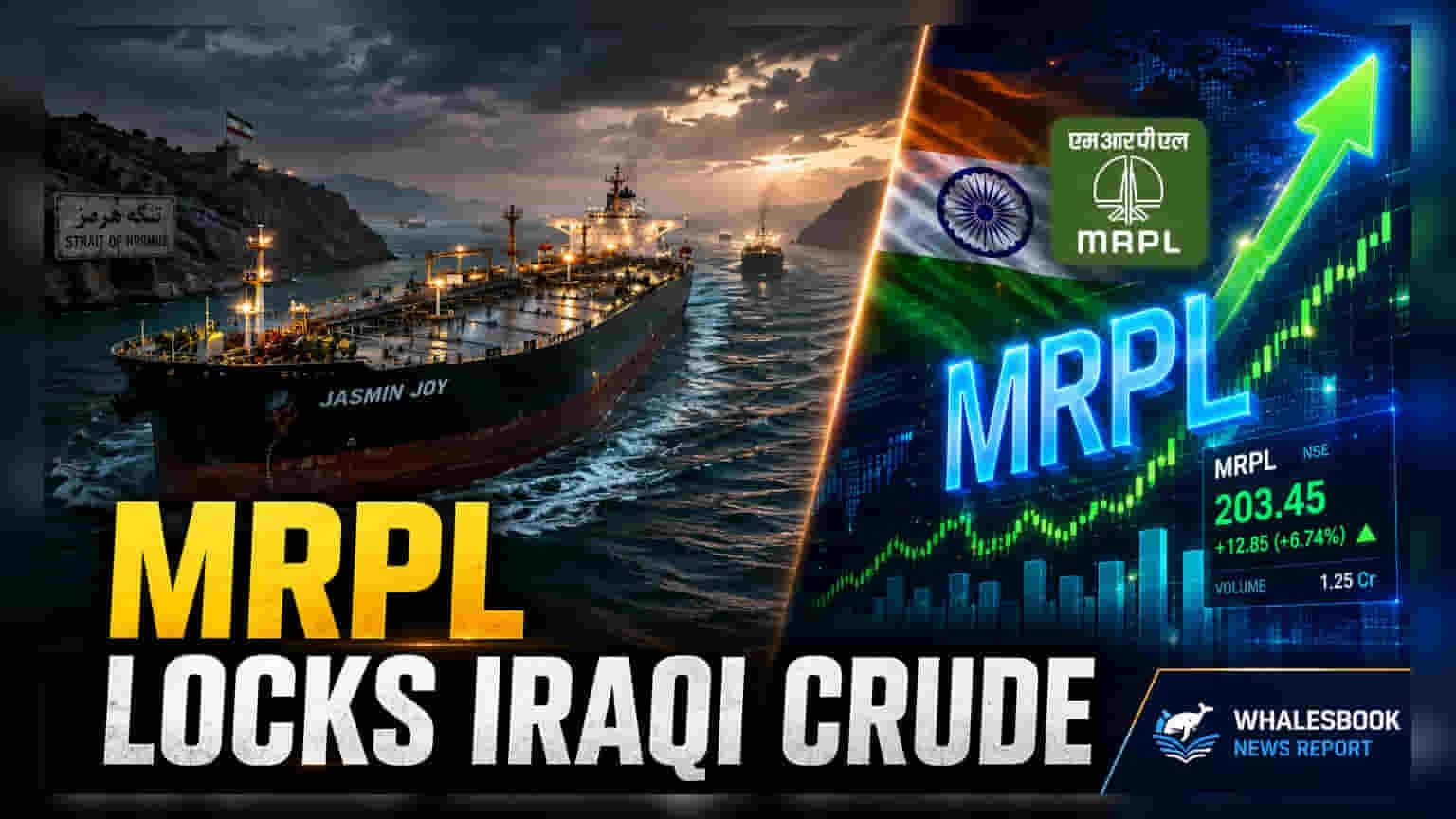
Mangalore Refinery and Petrochemicals Ltd (MRPL) has chartered the tanker Jasmin Joy to lift crude from Iraq's Basrah terminal on July 19-20. This marks the first major booking by an Indian state refiner following recent navigation disruptions in the Strait of Hormuz. The move is vital for maintaining steady feedstock supplies at the company’s 300,000 barrel-per-day facility in Karnataka.
Mangalore Refinery and Petrochemicals Ltd (MRPL) has secured a cargo of Iraqi crude, a development that signals a return to normalcy for India’s energy supply chains. The state-owned refiner has chartered the Aframax tanker, Jasmin Joy, to transport oil from Iraq’s Basrah terminal, with loading operations slated for July 19-20. This booking is notable as it is the first such shipment by an Indian state refiner since regional tensions forced a partial suspension of navigation through the Strait of Hormuz.
Strategic Importance for Supply Security
The Strait of Hormuz serves as a critical maritime artery, facilitating the movement of nearly 20% of the world’s oil and gas. Recent geopolitical instability between Israel and Iran led to significant security concerns, causing shipping lines to pause or divert vessels. For Indian refiners, this created a difficult operational environment, complicating the procurement of crude oil from terminals located west of the chokepoint. By successfully securing this vessel, MRPL is taking steps to bypass the logistical gridlock that has hampered imports over the recent period.
Operational Context and Financial Monitorables
MRPL operates a large-scale refinery in Mangalore, Karnataka, with an installed capacity of 300,000 barrels per day. The stability of crude oil procurement is a primary factor for the company, as it directly influences refinery throughput and capacity utilisation. Investors often track procurement updates because any prolonged inability to source crude can lead to sub-optimal operations or the need to source oil from more expensive, alternative markets, which in turn pressures profit margins.
Beyond logistics, the company’s performance is heavily influenced by the gross refining margin, which measures the difference between the cost of crude oil and the selling price of refined petroleum products. While securing this cargo is a positive step for operational continuity, shareholders may look to the upcoming quarterly results to assess whether increased freight rates or insurance premiums—caused by the regional uncertainty—have impacted the company’s bottom line. Additionally, tracking the consistency of supply flows from the Middle East remains a key monitorable to ensure that the Mangalore refinery continues to run at optimal levels without further disruptions.