 Whalesbook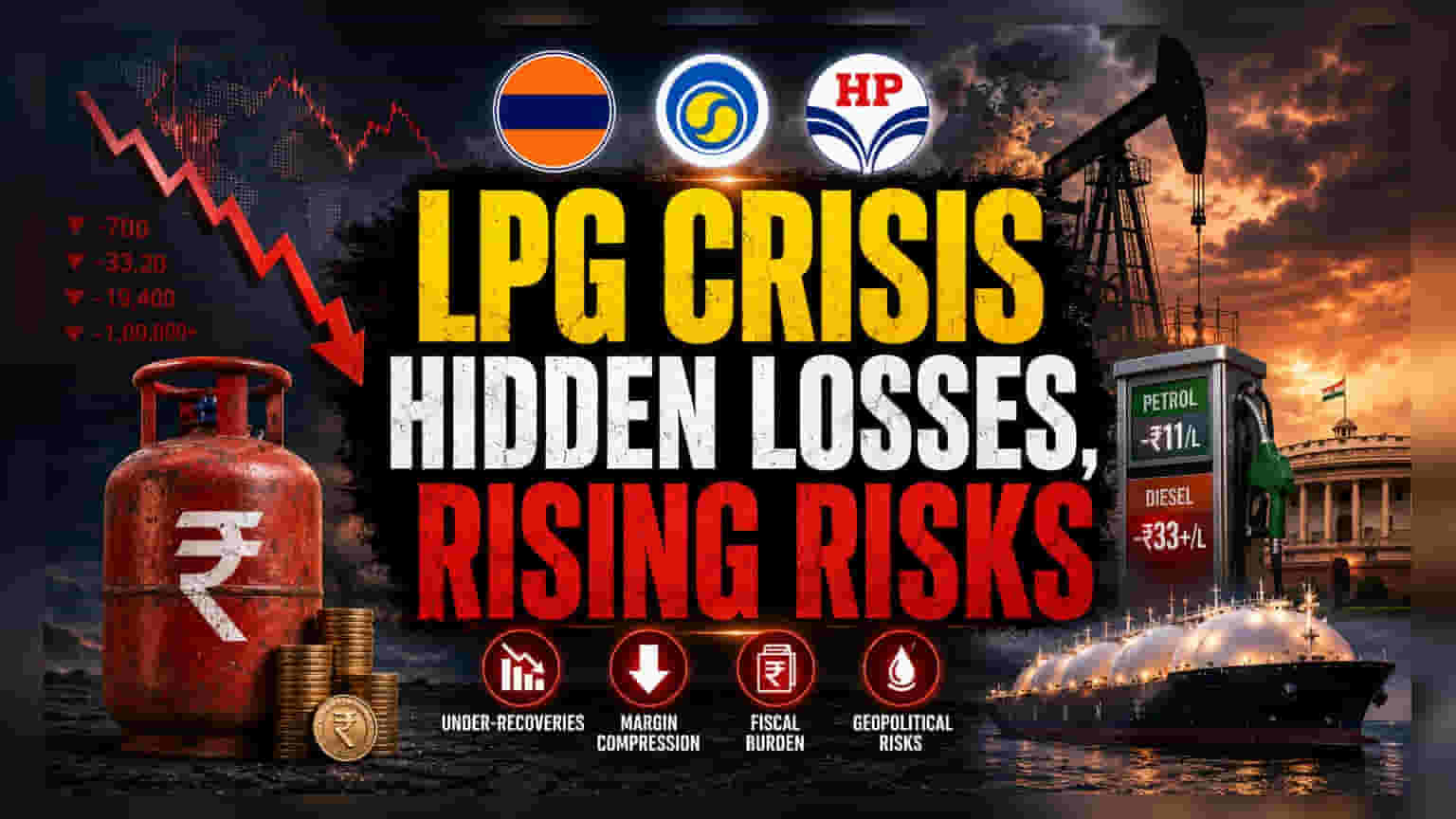


The Under-Recovery Trap
The incremental increase in domestic LPG prices, now reaching ₹942 per cylinder in Delhi, functions more as a symbolic adjustment than a structural solution. While the latest ₹29 revision provides marginal relief, it remains insufficient to bridge the cavernous disparity between global energy indices and local retail pricing. State-owned oil marketing companies continue to operate under immense fiscal duress, with per-cylinder under-recoveries persisting at levels that undermine standard commercial profitability. This dynamic suggests that current pricing strategies are calibrated more for political and inflationary management than for the maintenance of healthy operating margins.
Sectoral Margin Compression
The volatility is not isolated to cooking gas. The broader energy sector is currently navigating a period of acute margin compression across the entire product mix. With petrol and diesel prices having surged by ₹7.50 per litre since mid-May, the retail sector remains significantly decoupled from actual import parity costs. Companies are effectively subsidizing national consumption, as evidenced by the substantial losses of ₹11 per litre on petrol and over ₹33 on diesel. This institutionalized absorption of global price spikes by state-run retailers indicates a persistent reliance on government intervention that caps upside potential for investors even when global demand signals are strong.
The Forensic Bear Case
From a balance sheet perspective, the reliance on state-mandated retail pricing represents a material risk to long-term equity value. Unlike integrated global majors that maintain flexibility in their downstream segments, Indian state-run retailers are structurally tethered to the geopolitical risks of West Asian supply chains. The inability to pass on full cost increases during periods of international market instability creates a persistent drag on free cash flow. Furthermore, the reliance on under-recovery calculations suggests that any sustained spike in the crude oil basket could rapidly escalate debt-to-equity ratios. Institutional investors should be wary of the potential for future capital calls or dividend reductions, as these firms continue to sacrifice margin preservation to buffer domestic inflationary pressures.
Future Outlook and Market Sentiment
Market participants are closely watching the divergence between crude oil futures and domestic retail adjustments. While analyst sentiment remains muted due to these persistent regulatory constraints, any move toward full market deregulation would likely lead to an immediate revaluation of these stocks. Until then, the sector is trapped in a cycle where geopolitical volatility serves as a primary driver of financial performance, overshadowing operational efficiencies. The consensus remains that unless the government shifts toward a transparent, dynamic pricing mechanism, the persistent under-recovery issue will continue to act as a ceiling on stock price appreciation.