

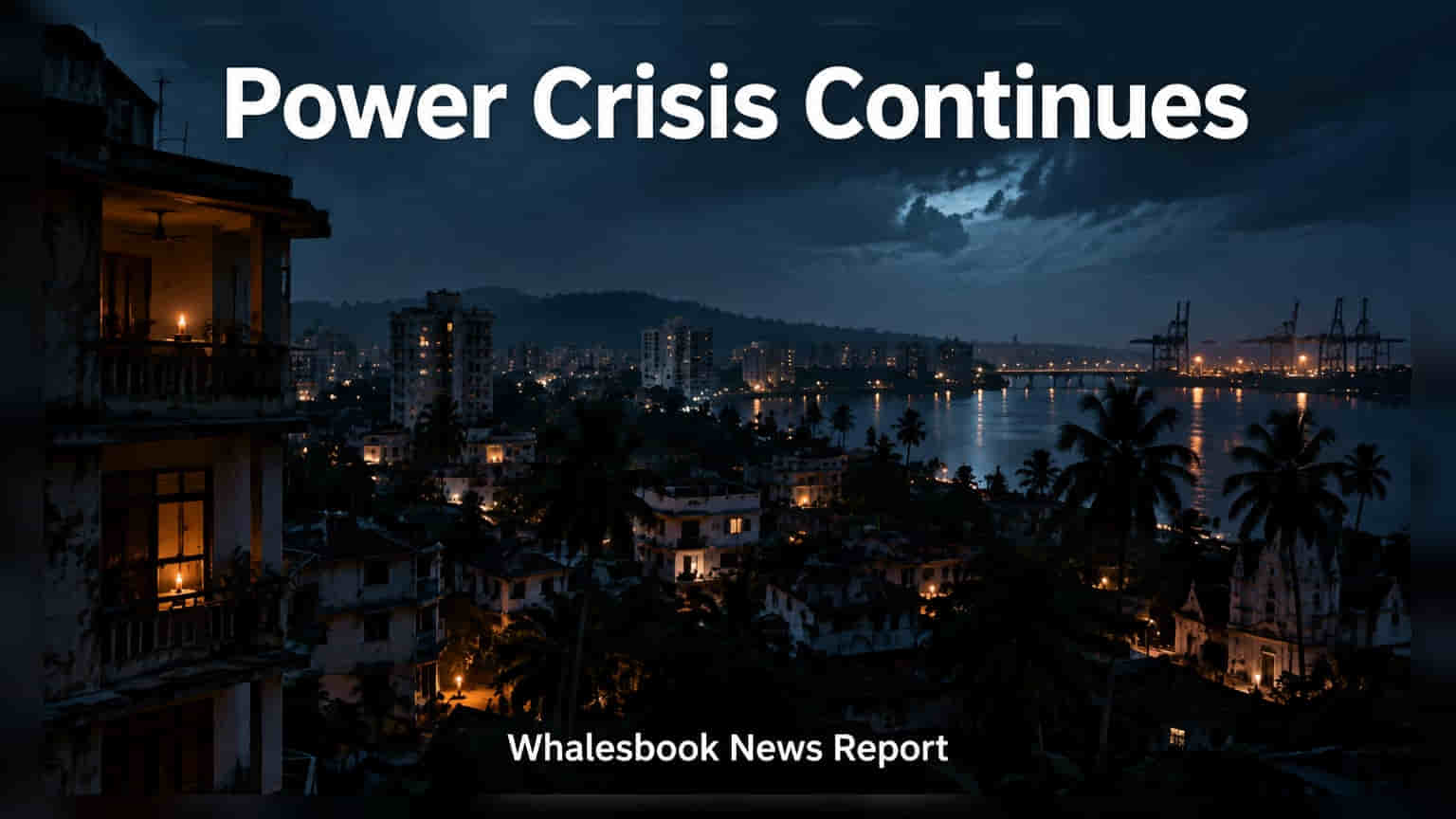
Kerala faces a severe energy shortfall as low rainfall and high demand strain the state grid. With reservoir levels at 63.75% and a daily deficit of up to 1,000 MW, the government has confirmed that power restrictions will remain in place for now.
Kerala is grappling with a significant power crisis as the state electricity board struggles to meet rising energy demands. The Kerala State Electricity Board (KSEB) is currently managing a daily power deficit ranging between 900 MW and 1,000 MW. Electricity Minister Sunny Joseph has clarified that the state will continue with existing power restrictions, ruling out immediate relief for residents and businesses.
The energy shortfall is primarily driven by adverse weather conditions. The state has recorded a 26% deficit in seasonal rainfall, which has directly impacted hydroelectric power generation. Water levels in major reservoirs have fallen to approximately 63.75% of their total capacity, reducing the state’s ability to rely on domestic hydel power. Simultaneously, evening peak-hour demand has surged, occasionally hitting 5,450 MW, further stressing the grid.
To bridge the gap, the state has been forced to depend heavily on expensive short-term power purchases. Between April and August 2026, KSEB spent approximately ₹1,190 crore on purchasing electricity from external sources. The cost burden remains high, with spot market electricity prices occasionally spiking to as much as ₹30 per unit, a price point the state government is wary of sustaining.
While the central government allocated an additional 150 MW of power to Kerala on September 15, 2026, to help manage the shortfall, this amount remains small compared to the total daily deficit. The situation is further complicated by the expiration of existing power-swap arrangements, which previously allowed the state to manage supply fluctuations. Additionally, infrastructure projects meant to improve grid stability, such as Battery Energy Storage Systems (BESS), are facing delays, preventing the state from effectively managing peak-hour loads.
As the state continues to manage these supply constraints, the grid faces operational risks, including the possibility of punitive action if the state overdraws from the national grid. For now, the reliance on external power markets remains the primary strategy to avoid total supply failure. Investors and stakeholders should monitor upcoming updates on reservoir water levels, progress on stalled battery storage projects, and further negotiations for long-term power purchase agreements.