

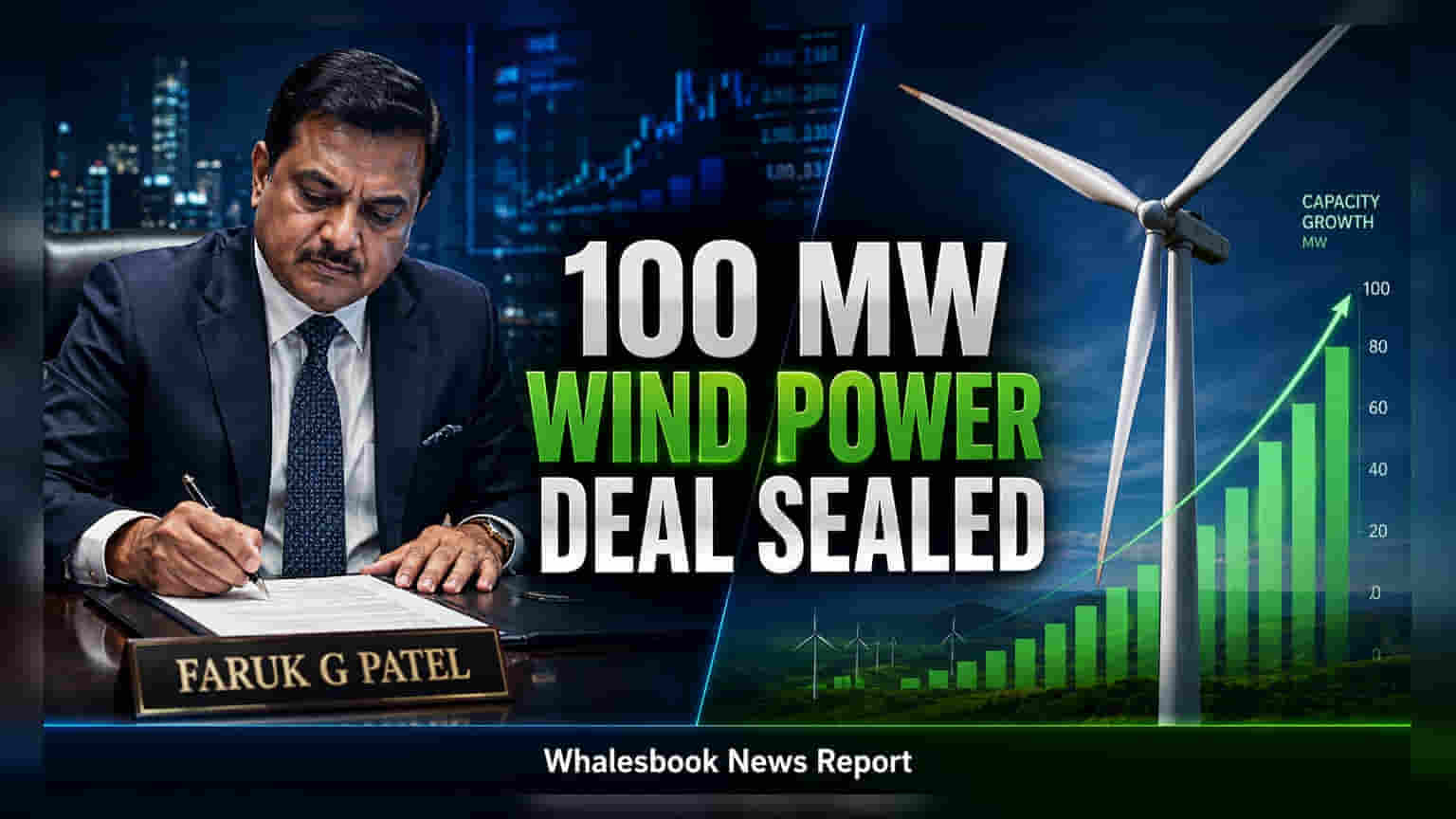
KP Energy has entered a 25-year power purchase agreement with Gujarat Urja Vikas Nigam (GUVNL) for a 100 MW wind energy project. The contract, won through competitive bidding, sets a tariff of ₹3.435 per unit and expands the company’s independent power producer portfolio to over 250 MW. Power supply is scheduled to commence by July 2028.
KP Energy Limited has formalized a major long-term contract with Gujarat Urja Vikas Nigam (GUVNL) to supply wind power. The agreement, which spans 25 years, involves a 100 MW grid-connected wind project. This deal follows a competitive bidding process under GUVNL's Wind Tender Phase X, with the final terms and tariff of ₹3.435 per unit receiving approval from the Gujarat Electricity Regulatory Commission.
The project is expected to become operational by July 30, 2028, giving the company a 24-month window for execution. This order marks a significant milestone for KP Energy, as it pushes the company's total independent power producer capacity past the 250 MW mark. By securing this long-term contract, the company ensures a steady, predictable revenue stream over the next quarter-century, which is a common strategy for renewable energy developers seeking to reduce business uncertainty.
Financial and Strategic Context
For investors, the primary impact of this deal lies in revenue visibility. Long-term power purchase agreements act as a shield against fluctuating power prices, providing the company with a fixed income source. However, the move also requires significant capital spending to build the 100 MW wind infrastructure. While such projects improve the company's scale, investors often monitor how firms balance this expansion with their debt levels. Projects of this nature generally involve intensive use of borrowings or internal cash reserves, which can impact the balance sheet if costs rise or if project timelines face delays.
KP Energy operates in a sector that is currently seeing intense competition. As India pushes toward aggressive renewable energy targets, developers are frequently competing for tenders from state-run utilities like GUVNL. Success in these tenders is essential for growth, but the profitability of these projects is tightly linked to the winning tariff. At ₹3.435 per unit, the margins will depend heavily on the company's ability to manage equipment costs, logistics, and site development expenses over the next two years.
Investor Monitorables
The company has confirmed that this contract is a commercial arrangement with no related-party involvement. Going forward, the most important updates for investors will relate to the project's execution timeline. Investors may track progress reports regarding land acquisition, equipment procurement, and the actual commissioning of the wind turbines as the July 2028 deadline approaches. Any updates on financing arrangements or changes in material costs that could affect project margins will also be relevant to the company’s financial health.