

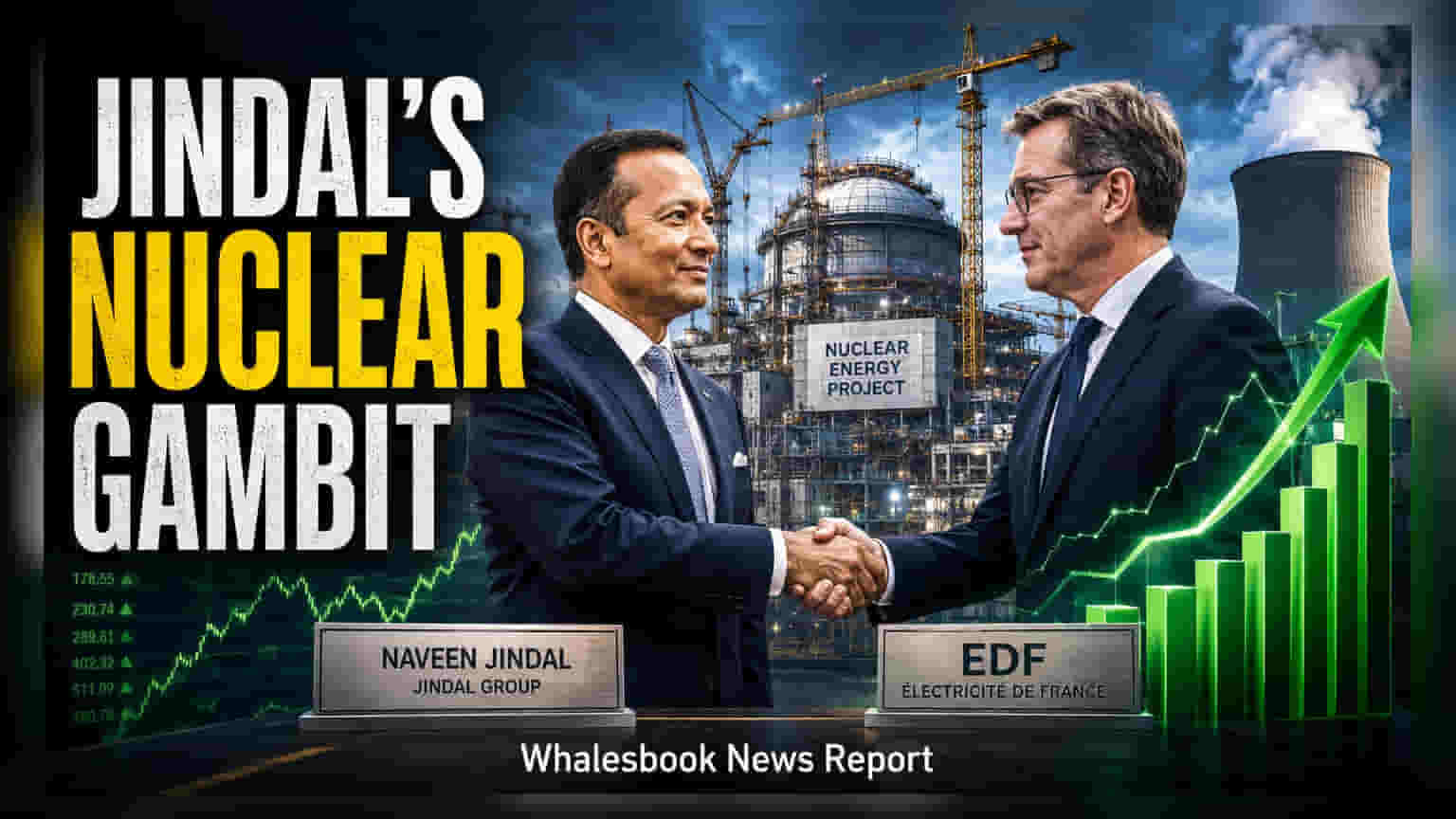
The Naveen Jindal Group is in early-stage talks with global firms EDF and Westinghouse to develop 18 GW of nuclear power capacity. This ambitious plan aims to support India's 2047 energy targets, though it involves massive capital spending and long-term regulatory oversight.
The Naveen Jindal Group is preparing to enter the Indian nuclear power sector, with plans to invest roughly ₹2 lakh crore to build 18 GW of total capacity. This move follows recent government policy changes that have opened the door for private companies to participate in the nuclear energy market, a space previously reserved for state-owned entities.
Technology Partners and Project Scale
To achieve this goal, the group’s subsidiary, Jindal Nuclear Power Private Limited, has initiated talks with France’s EDF and U.S.-based Westinghouse. These discussions involve evaluating advanced reactor technologies, such as EDF’s 1,650 MW European Pressurised Reactors and Westinghouse’s 1,150 MW AP1000 units. The group is also in coordination with the Nuclear Power Corporation of India (NPCIL) to potentially utilize indigenous 700 MW pressurized heavy water reactor technology. The company is currently surveying potential locations for these projects across several states, including Gujarat, Odisha, Andhra Pradesh, Tamil Nadu, Jharkhand, and Chhattisgarh.
Investor Context and Financial Implications
For investors, this announcement highlights a shift toward massive, long-gestation infrastructure projects. While nuclear energy offers a stable, carbon-free baseload power source, such projects require significant upfront capital spending and many years before they begin to generate revenue. The ₹2 lakh crore investment figure represents a long-term capital commitment that will likely stretch over several years or decades. Investors should monitor how the company intends to fund this expansion, as projects of this scale can significantly impact debt levels and cash flow if not managed alongside the group's existing businesses.
Sector Dynamics and Competition
The nuclear power sector in India is currently undergoing a structural change as the government seeks to reach a target of 100 GW of nuclear capacity by 2047. The Jindal Group is not alone in this space; companies like Tata Power and state-run NTPC have also expressed interest in developing nuclear capacity. Unlike solar or wind energy, which have shorter construction timelines and established supply chains, nuclear projects face high regulatory hurdles, strict safety compliance requirements, and longer project execution risks. The success of these ventures will depend heavily on stable government policy, the ability to secure international technology partnerships, and the successful navigation of complex land acquisition and environmental clearances in the designated states.
Moving forward, the primary monitorables for the market include the finalization of any technology agreements, the timeline for site approvals, and the disclosure of the specific funding structure for these massive capital requirements.