

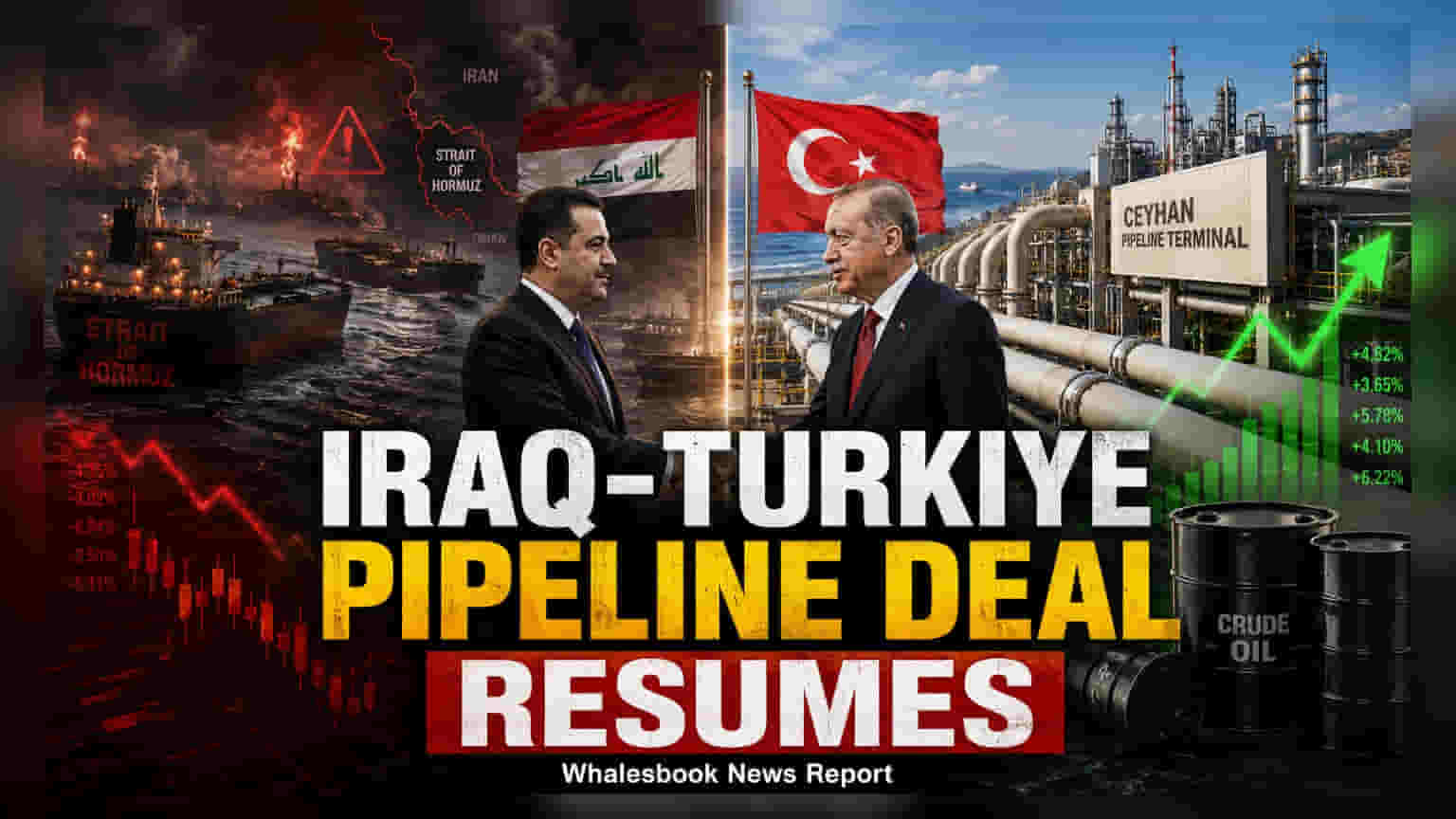
Iraq and Turkiye have signed a one-year agreement to increase oil exports through the Ceyhan pipeline to 750,000 barrels per day. This move helps Iraq reduce its reliance on the Strait of Hormuz for crude shipments amid global shipping tensions. The agreement aims to stabilize Iraq's primary revenue source while strengthening economic ties between the two nations.
Iraq has finalized a significant one-year agreement with Turkiye to restart and expand crude oil exports through the Ceyhan pipeline. According to the Iraqi Ministry of Oil, the deal sets a target export volume of 750,000 barrels per day, connecting the Kirkuk oil fields to the Turkish port of Ceyhan. This development is expected to provide a crucial alternative route for Iraqi crude, which has faced logistical constraints and geopolitical pressures in recent years.
Strategic Importance of the Ceyhan Route
The Ceyhan pipeline has operated with significant interruptions since 2023, largely due to ongoing legal and commercial disagreements that effectively halted consistent flow. By formalizing this one-year agreement, Baghdad aims to improve its export infrastructure. Currently, Iraq’s export capacity via this route is estimated at 200,000 barrels per day, making the new 750,000-barrel target a substantial step toward restoring higher throughput. For the Iraqi government, which relies heavily on oil revenue for its national budget, this expansion is vital for fiscal stability.
Reducing Dependence on Hormuz
Historically, the majority of Iraq’s oil exports, which total approximately 3.5 million barrels per day, have been processed through southern terminals that rely on shipping lanes through the Strait of Hormuz. Because the Strait is a critical and often congested maritime chokepoint, any disruption in the region directly threatens Iraq’s export ability. The reactivation of the Ceyhan route serves as a diversification strategy, allowing the country to build resilience against potential maritime security risks and shipping lane disturbances.
Regional Cooperation and Future Projects
The energy accord follows high-level diplomatic discussions between Iraqi and Turkish officials regarding trade, security, and infrastructure. Beyond the immediate one-year export plan, both nations are exploring long-term projects to enhance regional energy connectivity. This includes discussions on potentially developing a new pipeline network that would stretch from Basra to Ceyhan, which could further increase the integration of Iraqi oil into European and Mediterranean markets.
Investors in the energy sector should monitor whether the two countries can consistently maintain the new volume targets, as the pipeline has a history of commercial and legal hurdles. Furthermore, the operational success of this deal will depend on the continued diplomatic alignment between Baghdad and Ankara. The next important step for market observers will be tracking the actual loading volumes at the Ceyhan terminal in the coming months to verify if the 750,000-barrel daily target is being met.