

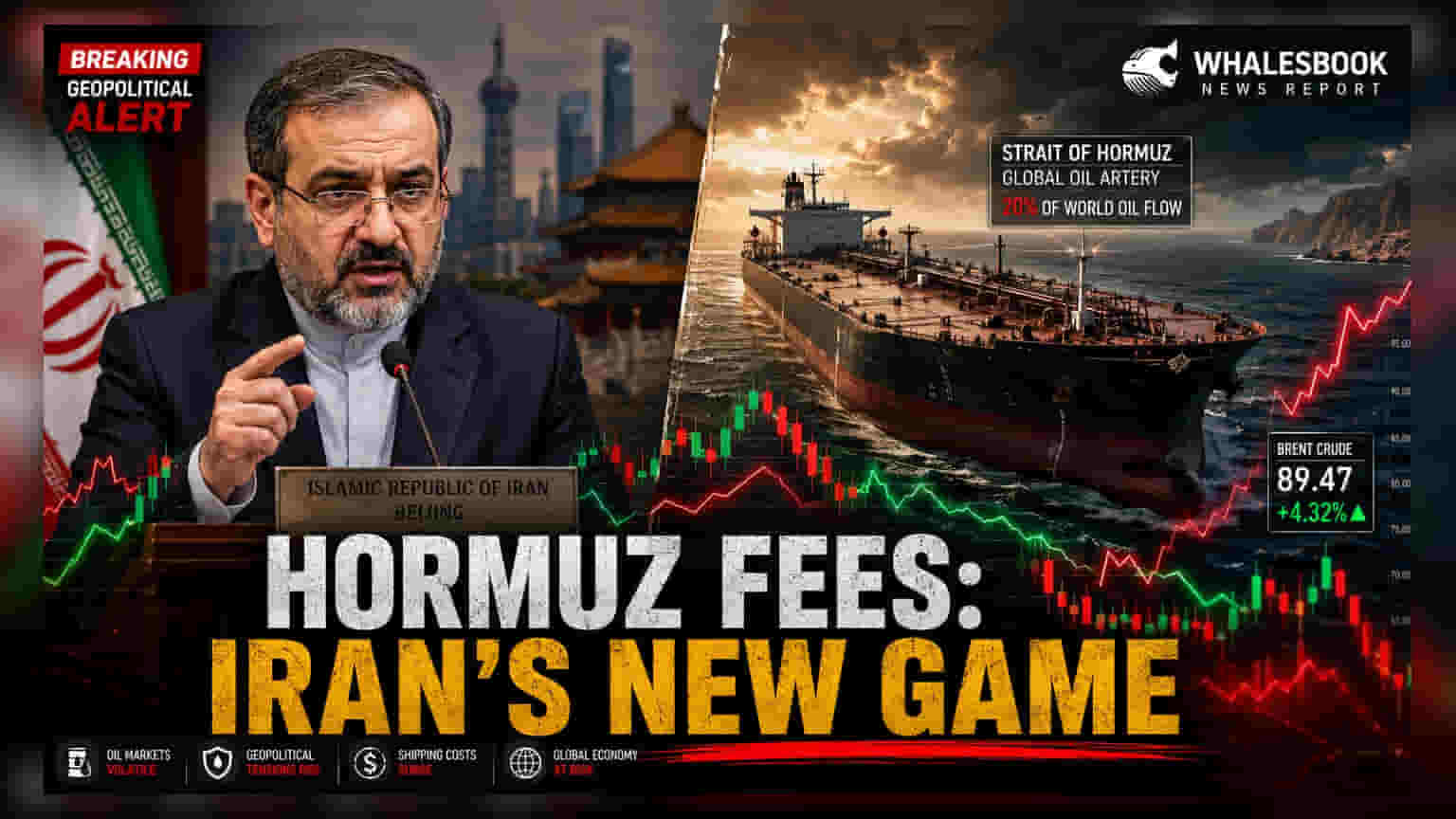
Iran plans to levy service fees on vessels passing through the Strait of Hormuz, citing security and environmental costs. This chokepoint handles roughly 20% of global oil and LNG supplies, making the development critical for global energy shipping costs and supply stability.
What Happened
Iran’s ambassador to China, Abdolreza Rahmani Fazli, announced on Saturday that the country intends to begin charging service fees for ships navigating the Strait of Hormuz. Speaking at the World Peace Forum in Beijing, Fazli stated that these charges are intended to cover the costs of security, vessel supervision, and environmental management within the waterway. Iran plans to implement these new arrangements in coordination with Oman. The announcement clarifies that the fees are classified as service charges rather than standard tolls, based on the country's claim that a portion of the strait falls within its territorial waters.
Why This Matters For Global Energy
The Strait of Hormuz is one of the most critical maritime chokepoints in the world. It serves as the primary gateway for crude oil and liquefied natural gas (LNG) shipments from the Persian Gulf to international markets. Verified data indicates that approximately one-fifth of the world’s daily oil and gas supply moves through this narrow passage. For the global energy market, any change in transit regulations or costs can lead to immediate ripples in shipping insurance premiums, operational expenses for tanker companies, and potentially the final price of oil and gas delivered to major importers, including India.
Potential Conflict With Previous Agreements
This announcement introduces a layer of geopolitical and legal uncertainty. Reports indicate this move may conflict with prior understandings between Iran and the United States, which had previously included terms for free passage of commercial vessels following the end of regional hostilities. By shifting toward a fee-based model, Iran is challenging established norms for this waterway. The ambiguity regarding which vessels will be subject to these fees and how the "special treatment" for "friendly nations" will be applied could lead to complications in international maritime law and logistics.
Impact On Shipping And Costs
For investors monitoring the energy and shipping sectors, the primary concern is the potential for increased costs and transit delays. If shipping lines are forced to pay additional fees, these costs are typically passed down through the supply chain. Furthermore, the mention of "special treatment" for certain nations suggests that the fee structure may not be uniform, potentially creating an uneven playing field for different international shipping companies. Investors should track whether major global shipping fleets and oil-importing nations contest these fees or seek diplomatic channels to maintain the status quo.
What Investors Should Track
Moving forward, the key monitorables include the official implementation date of these fees and the response from international maritime organizations and major energy-importing nations. Investors should watch for updates on how this affects tanker freight rates and whether it leads to increased volatility in global crude oil prices. Additionally, any formal pushback from the United States or other global powers regarding the previously agreed-upon free passage terms will be crucial to determining whether these fees become a permanent reality or a point of renewed regional tension.