

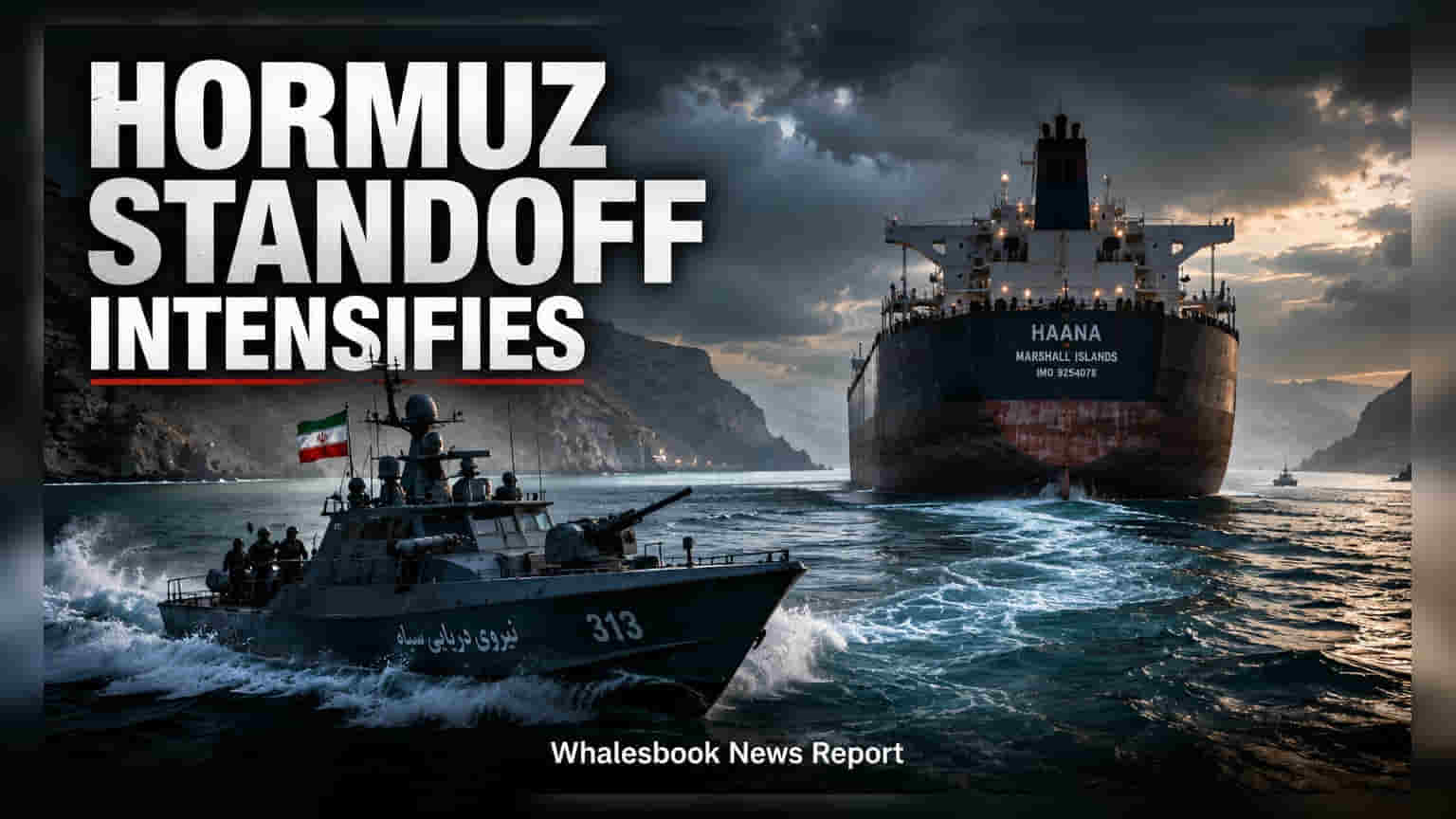
An Iranian warship issued a warning to the oil tanker HAANA on August 26, 2026, forcing it to turn back in the Oman corridor. This incident highlights the ongoing geopolitical instability in the Strait of Hormuz, a critical waterway for global energy shipments, where maritime traffic has seen a sharp decline amid rising regional tensions.
A security incident involving the oil tanker HAANA occurred on August 26, 2026, near the Strait of Hormuz. Reports indicate that an Iranian naval vessel confronted the tanker as it attempted to navigate the southern Oman corridor, forcing the vessel to retreat after receiving a warning. While initial media reports suggested the tanker was Indian, vessel-tracking data identifies the HAANA as being flagged in the Marshall Islands.
This incident brings renewed attention to the Strait of Hormuz, which remains a primary channel for global energy movement, accounting for roughly 20% of the world's daily oil and liquefied natural gas shipments. Because of the persistent US-Iran conflict and ongoing regional disputes, tanker traffic through this waterway has plummeted, with estimates suggesting a decline of nearly 90% compared to pre-conflict levels.
Navigational control and revenue-sharing for the strait have been the subject of ongoing, albeit incomplete, negotiations between Iran and Oman. The situation remains sensitive, with Tehran consistently linking the reopening of standard maritime routes to the removal of sanctions and compensation for economic damages. Until these geopolitical hurdles are cleared, commercial vessels are facing increased operational complexity.
For global energy markets, such confrontations add a layer of unpredictability. Even when physical supply lines are not fully blocked, the threat of potential seizures, damage, or forced rerouting increases insurance premiums and operational costs for shipping companies. This pressure can filter through to energy prices, as markets often react to the risk of supply chain disruptions in the Persian Gulf.
Investors and market participants often monitor these developments for their potential impact on global crude oil prices and maritime freight costs. With the region remaining a flashpoint, the next key updates to watch include any official statements from maritime security authorities, changes in regional insurance rates, and further progress—or lack thereof—in the diplomatic talks between Iran and neighboring states regarding the management of the strait. As of now, there has been no independent confirmation from Indian authorities regarding the incident, and market attention remains focused on whether such navigational warnings will become a more frequent occurrence in the coming weeks.