

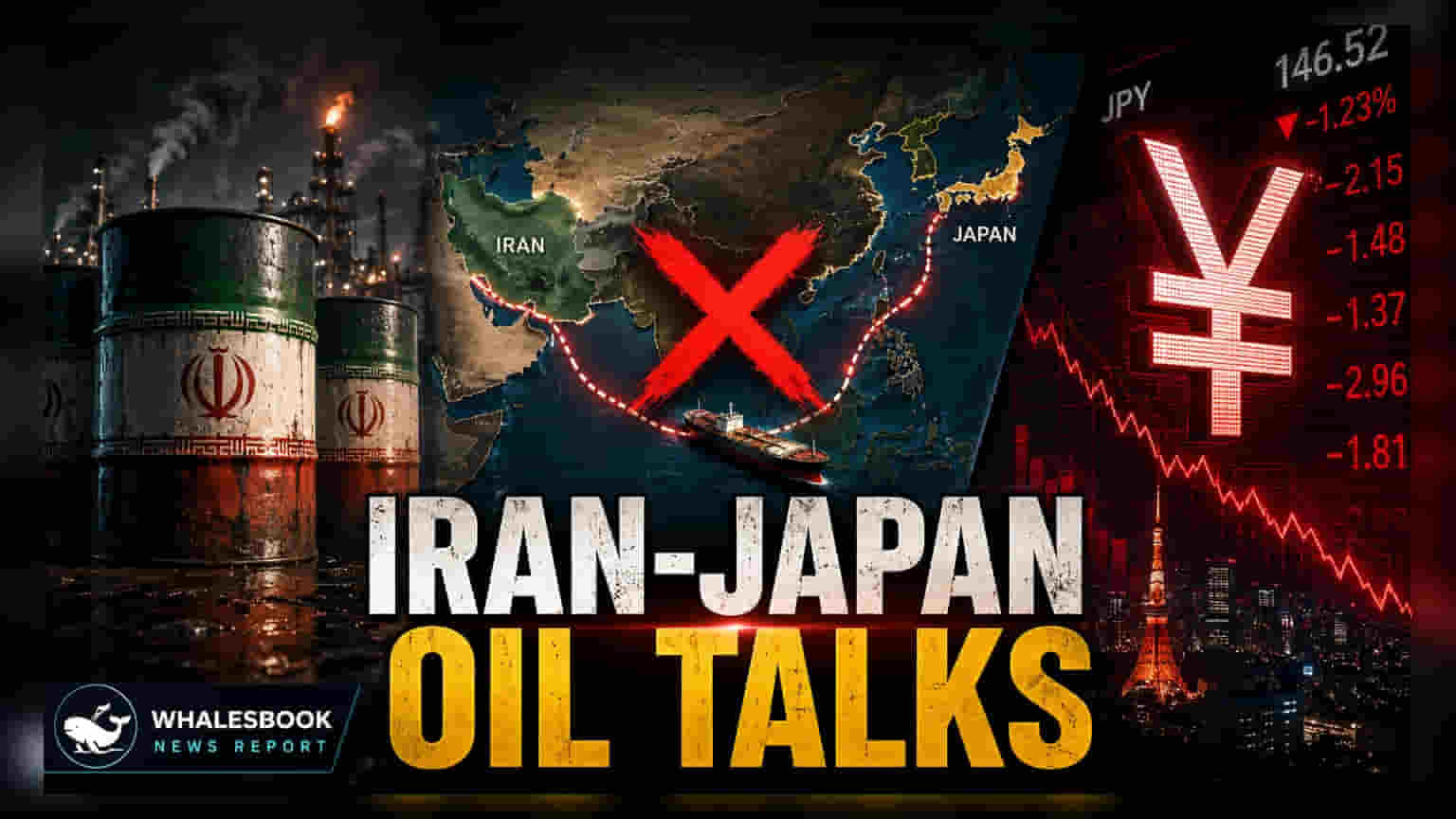
Iran is exploring a resumption of crude oil sales to Japan following a temporary U.S. sanctions waiver. The current 60-day window expires on August 21, creating significant uncertainty for potential buyers. Japanese refiners are balancing this opportunity against critical challenges regarding shipping safety and insurance requirements.
Iran has engaged in preliminary discussions with Japanese corporations to explore the resumption of crude oil exports. These talks follow a temporary U.S. sanctions waiver granted on June 22, 2026, which allows limited oil trade. However, the window for these transactions is narrow, as the current waiver is scheduled to expire on August 21, 2026.
Challenges for Japanese Refiners
For Japanese companies, the primary obstacle remains the short duration of the current waiver. Industry sources suggest that the two-month timeframe is insufficient to establish stable supply chains, especially considering the long voyage times between Iran’s Kharg Island terminal and Japanese ports. Beyond the logistical timeline, Japanese refiners are facing significant hurdles regarding maritime security and insurance. The Strait of Hormuz has been a site of periodic geopolitical friction, and the requirement for secure, insured tanker transit is a prerequisite for any major Japanese firm to resume imports.
While the National Iranian Oil Company has reached out to former clients to gauge interest in restarting partnerships that were halted in 2019, the response from the Japanese side remains cautious. Japan’s Ministry of Economy, Trade and Industry has noted it is not aware of any specific finalized deals at this time. Most Asian refiners currently hold comfortable levels of inventory from other suppliers, making the current temporary waiver less attractive than a more permanent or long-term resolution.
Market Context and Risks
If the waiver is not extended, the operational risks of loading and transporting crude may outweigh the potential benefits for Japanese refiners. Historically, when these imports were active prior to 2019, they were supported by long-term agreements and predictable regulatory environments. In the absence of such certainty, Chinese independent refineries currently remain the primary active market for Iranian crude. For investors, the situation highlights the volatility inherent in the global energy trade, where geopolitical policy often dictates supply routes and business feasibility. The key factor to monitor will be whether U.S. policy shifts to provide a longer waiver, which would be necessary to incentivize Japanese firms to invest in the logistics and insurance coverage required to restart these trade flows.