

Indraprastha Gas Limited has increased CNG prices by Rs 3.89 per kilogram, effective from August 29, 2026, marking the fifth hike this year. Driven by rising international gas costs, the move follows a challenging first quarter where the company reported a significant drop in profits.
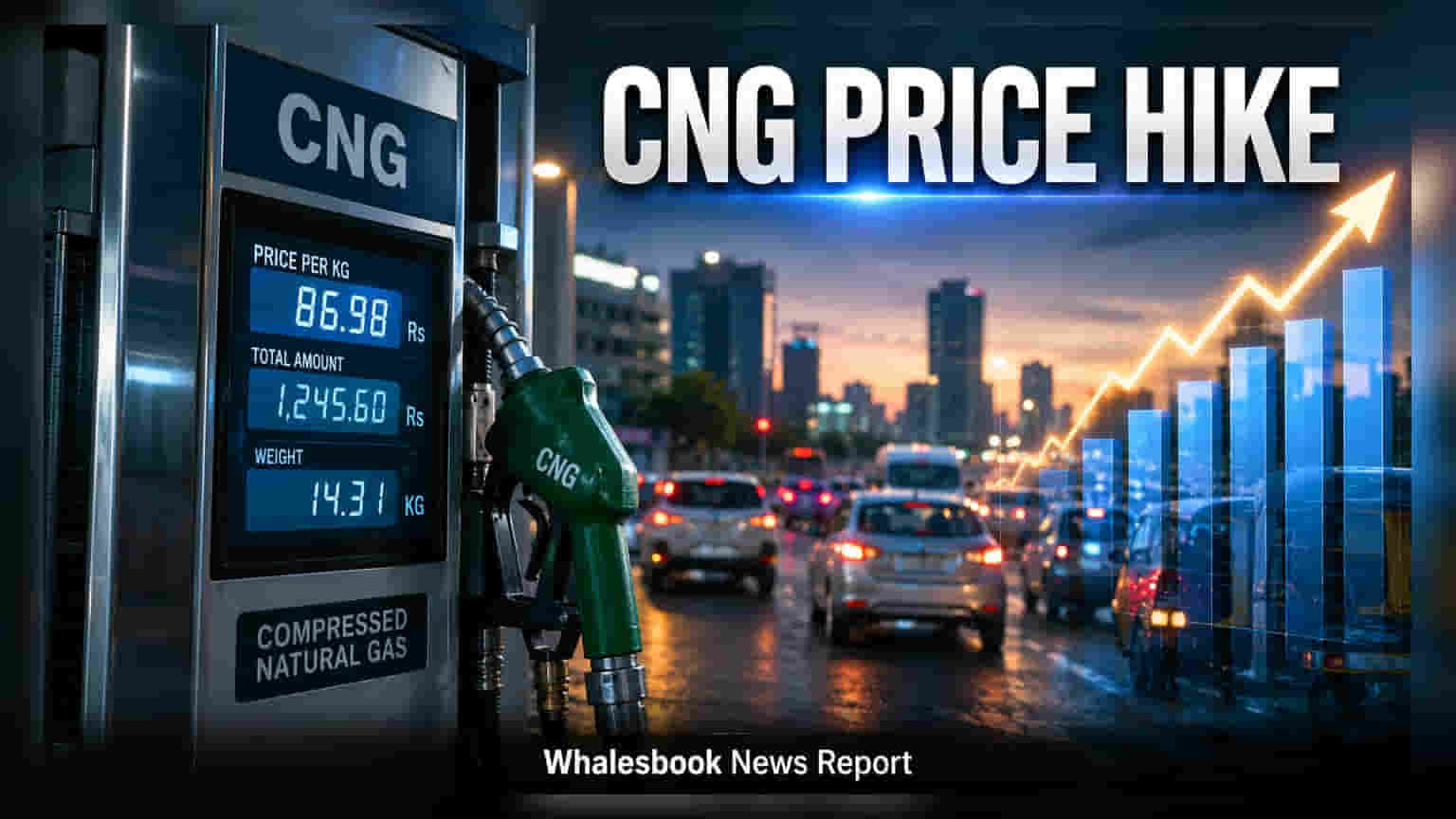
Indraprastha Gas Limited (IGL) has announced an increase in Compressed Natural Gas (CNG) prices by Rs 3.89 per kilogram, effective from 6:00 AM on August 29, 2026. This adjustment brings the retail price of CNG in Delhi to Rs 86.98 per kilogram. The company stated that the hike is necessary to manage the rising procurement costs of natural gas, which have been fueled by high international spot prices amid ongoing conflict in West Asia.
Financial Pressure and Profitability Challenges
This price hike arrives at a time when IGL is navigating significant financial headwinds. In its recently declared financial results for the first quarter of the 2026-27 fiscal year, reported on August 13, 2026, the company posted a 44% decline in Profit After Tax (PAT), which fell to Rs 238 crore. This profit drop occurred despite a 17% increase in revenue, highlighting the difficulty the company faces in passing on rising raw material costs to consumers without impacting demand.
For investors, this mismatch between revenue growth and shrinking profit margins is a primary monitorable. The company’s ability to protect its margins depends heavily on international energy prices and its own retail pricing strategy. When procurement costs rise significantly, as they have throughout 2026, the company faces pressure to increase prices, which can sometimes slow down the growth in gas consumption.
Strategic Risks and Competitive Environment
Beyond immediate input costs, IGL faces long-term structural challenges. The company operates in a competitive landscape where Electric Vehicles (EVs) are becoming a more viable alternative for commercial and personal transportation. If CNG prices remain elevated, the cost advantage of running vehicles on gas compared to electricity or other fuels diminishes, potentially affecting future volume growth.
Additionally, the company remains sensitive to regulatory decisions regarding gas allocation and pricing policies. Any changes in government policy regarding the supply of affordable domestic gas versus expensive imported gas can directly impact the company's profitability. Geopolitical instability in supply regions like West Asia continues to be an unpredictable factor that could influence energy costs for the foreseeable future.
Impact on Transport and Logistics
The revision marks the fifth time this year that IGL has increased its retail prices. Given that CNG is a primary fuel for auto-rickshaws, taxis, and small-scale commercial freight in the National Capital Region, these recurring hikes are likely to increase operating expenses for logistics and passenger transport services. This creates a risk that local transport fares may be adjusted upward to cover the higher fuel costs, potentially impacting the demand for CNG-powered mobility in the region.
Investors may monitor the company’s upcoming quarterly performance to see if these price revisions effectively help recover profit margins or if the rising costs continue to weigh on the bottom line. The balance between maintaining sales volumes and managing input costs will remain the key trend for shareholders to track.