 Whalesbook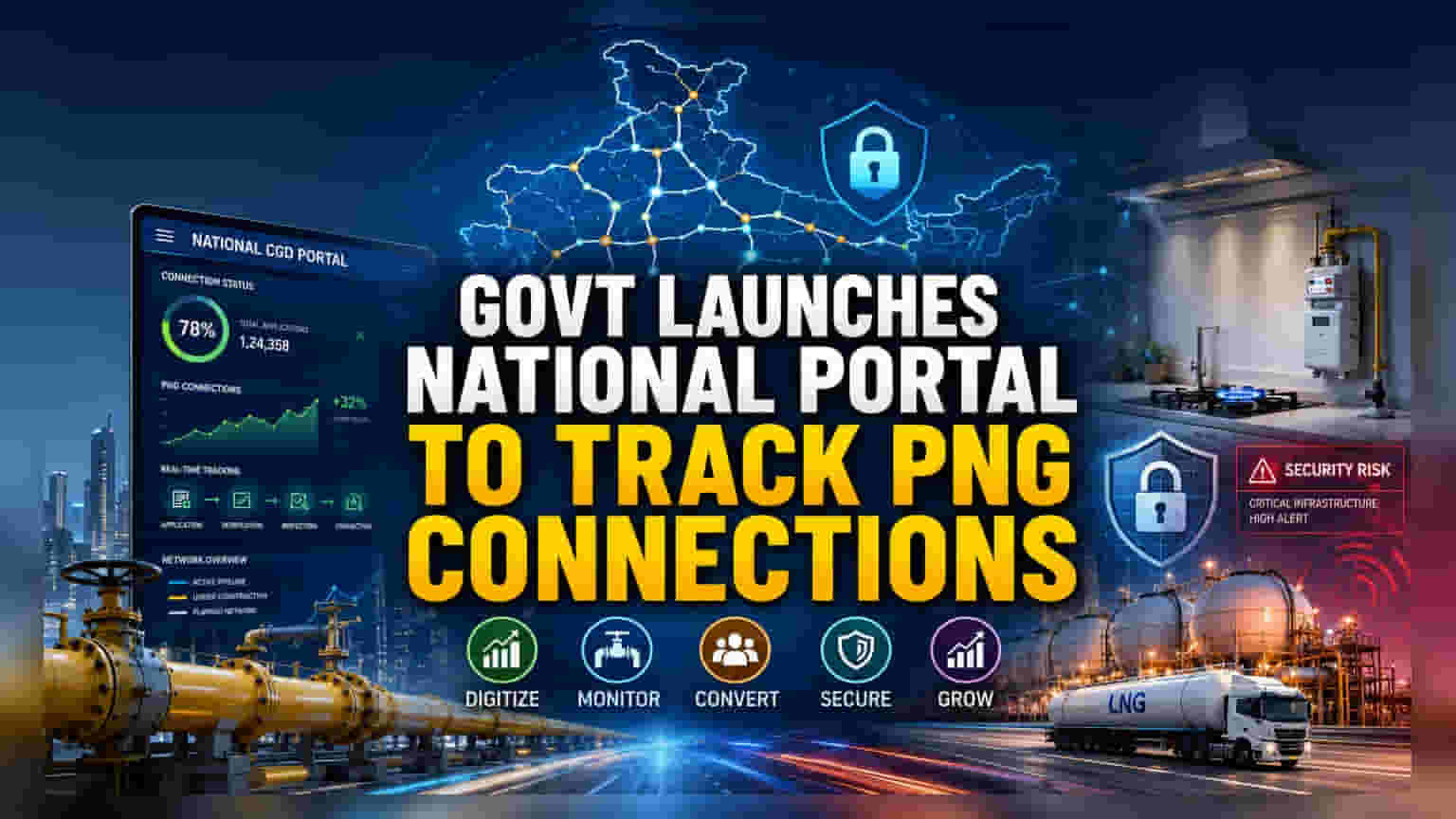


Scaling Infrastructure through Digitization
The shift toward a centralized digital interface reflects an aggressive push to optimize the utilization of existing city gas distribution (CGD) assets. By forcing transparency upon distributors, the government is effectively narrowing the gap between sanctioned infrastructure and active consumer utilization. For players such as Indraprastha Gas Limited, Mahanagar Gas, and Adani Total Gas, this portal will likely serve as a performance barometer, with regulators monitoring the velocity of connection fulfillments in real-time. The pressure to transition consumers from LPG to PNG is not merely a convenience initiative; it represents a structural pivot to prioritize domestic grid integration over volatile imported liquid fuels.
The Operational Efficiency Trade-off
Historically, the pace of PNG expansion has been hampered by fragmented regional application processes and opaque local administrative bottlenecks. The introduction of a unified dashboard addresses this by providing a standardized consumer funnel. From a financial perspective, this reduces the customer acquisition cost for CGD firms while simultaneously increasing the regulatory cost of non-compliance. Market analysts observe that companies with high capital expenditure in pipeline laying are under pressure to improve the conversion ratio of households per kilometer of network. This portal serves as the mechanism to extract that value, potentially altering the revenue trajectory for firms that have previously struggled with slow adoption rates in newly authorized geographical areas.
Structural Risks and Security Vulnerabilities
While the operational upside of a digitized grid is evident, the proposal to publish comprehensive pipeline maps presents significant long-term liability concerns. From a risk management standpoint, exposing the exact coordinates and layouts of critical energy infrastructure invites both cybersecurity threats and physical security vulnerabilities. Unlike existing utility portals that operate on closed networks, a public-facing map of the national gas grid requires robust cybersecurity expenditure that many smaller distribution entities may not be prepared to absorb. Furthermore, the mandatory transition policy—which requires households to relinquish LPG connections upon the availability of PNG—creates a liquidity risk for distributors if their network reliability fails to meet the sudden influx of newly mandated users.
Market Outlook and Competitive Dynamics
Market sentiment regarding the CGD sector remains heavily tied to the stability of global LNG spot prices and the success of the government’s infrastructure mandate. With crude oil and LPG markets remaining sensitive to geopolitical friction in the Middle East, the push for PNG is an attempt to create a localized, manageable energy corridor. Investors should monitor how effectively these firms integrate the new portal into their existing enterprise resource planning systems, as the government is expected to utilize this data to benchmark future licensing and performance-linked incentives for the sector.