 Whalesbook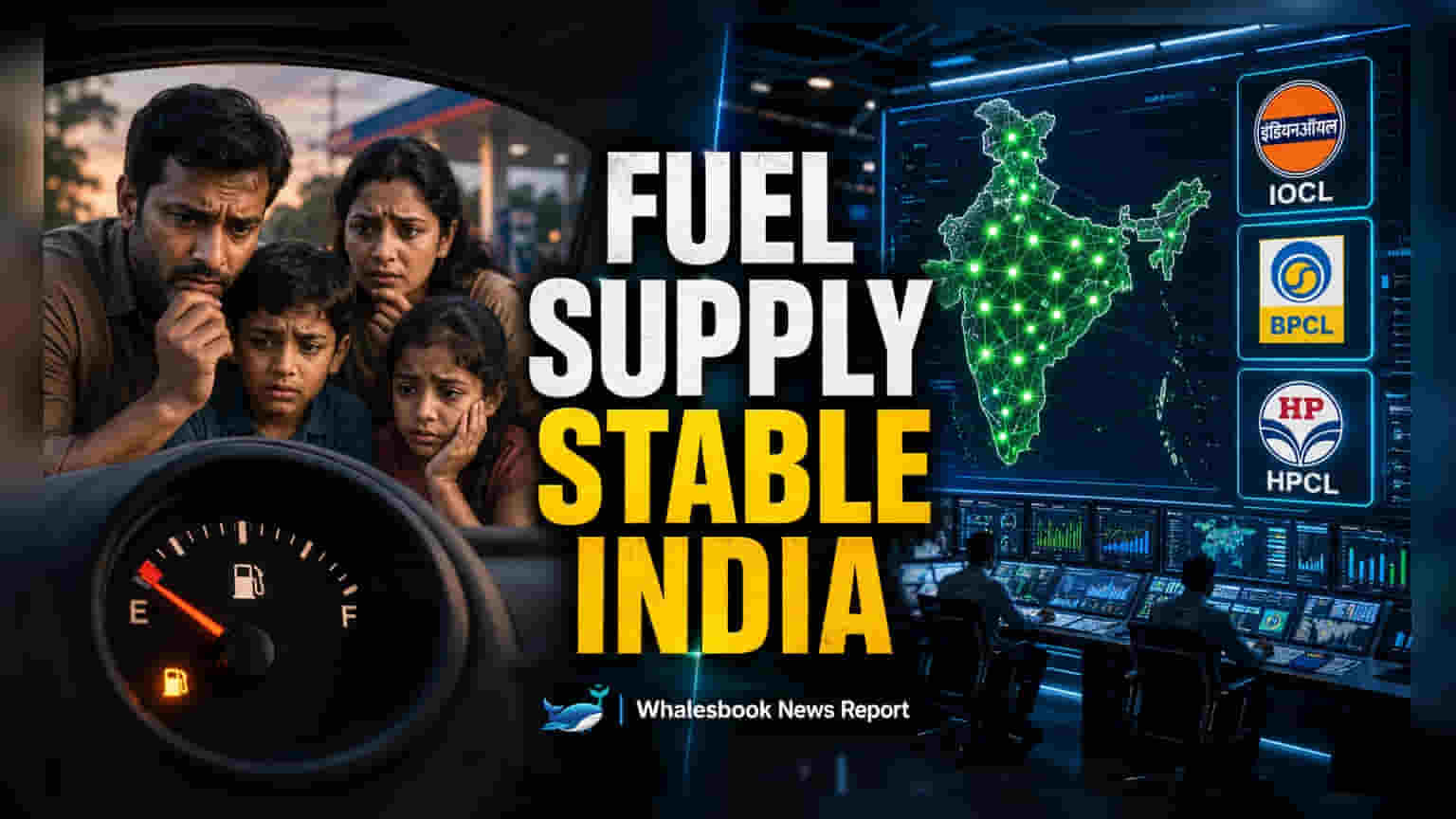


Resilient Supply Chains Despite Geopolitical Headwinds
Indian Oil Corporation Limited (IOCL), Bharat Petroleum Corporation Limited (BPCL), and Hindustan Petroleum Corporation Limited (HPCL) have collectively assured the nation of stable and uninterrupted fuel and LPG supplies. This reassurance comes amidst heightened geopolitical tensions in West Asia, which have historically posed risks to energy supply chains. The companies have publicly stated that their nationwide retail networks are adequately stocked, ensuring consumers can access fuel without disruption. BPCL has specifically highlighted consistent LPG deliveries over the past ten days, underscoring the robustness of their operational logistics. HPCL has also confirmed stable supplies in regions like Rajasthan, with all retail outlets functioning normally and receiving regular replenishment. This proactive communication aims to preempt any consumer anxiety and prevent panic buying.
Sales Volume Spikes Driven by Demand and Consumer Choice
Data from HPCL reveals a notable surge in fuel offtake during the first twenty days of May 2026. Petrol sales increased by 19%, and diesel sales saw a substantial 24.5% rise compared to the same period in the previous month. This heightened demand is partly attributed to seasonal factors, such as increased diesel consumption during the harvesting season. Additionally, a discernible shift in consumer preference towards state-run OMCs from private retailers, likely due to pricing advantages, is contributing to the increased sales volumes. Field teams from these companies are actively monitoring ground-level situations to manage demand fluctuations and discourage hoarding.
Financial Health and Valuation Metrics
The three major oil marketing companies (OMCs) exhibit strong financial fundamentals, reflected in their attractive valuation metrics. As of May 2026, Indian Oil Corporation (IOCL) has a P/E ratio of approximately 4.79, Bharat Petroleum (BPCL) around 5.15, and Hindustan Petroleum (HPCL) around 4.51. These low P/E ratios suggest that the companies are trading at a significant discount relative to their earnings, positioning them as value stocks. IOCL's market capitalization stands at approximately ₹1.95 trillion, BPCL's at ₹1.24 trillion, and HPCL's at ₹81,421 crore. The companies also maintain robust refining capacities, with IOCL reporting a throughput of 75.451 MMT for FY26 and HPCL achieving its highest-ever refinery throughput of 26.04 MMT in FY26. Fitch Ratings noted in November 2025 that Indian OMCs' EBITDA was broadly in line with expectations, supported by lower crude costs and strong gasoil spreads.
Navigating Global Tensions and Future Investments
Despite assurances of current supply stability, the OMCs are not immune to the potential impact of prolonged geopolitical instability. The Strait of Hormuz, through which a significant portion of global oil flow passes, remains a critical chokepoint. IOCL has outlined a substantial capital expenditure plan of ₹32,700 crore for FY27, with a notable allocation of ₹5,000 crore towards green energy initiatives, signaling a strategic pivot towards diversification. However, the company acknowledges that geopolitical risks could influence refining margins and operational savings targets. While crude oil supplies from Russia have reportedly not decreased, the broader volatility in global energy markets necessitates continued vigilance. The companies' ability to maintain stable fuel pricing and operations will depend on the evolving geopolitical situation and the government's pricing policies.