 Whalesbook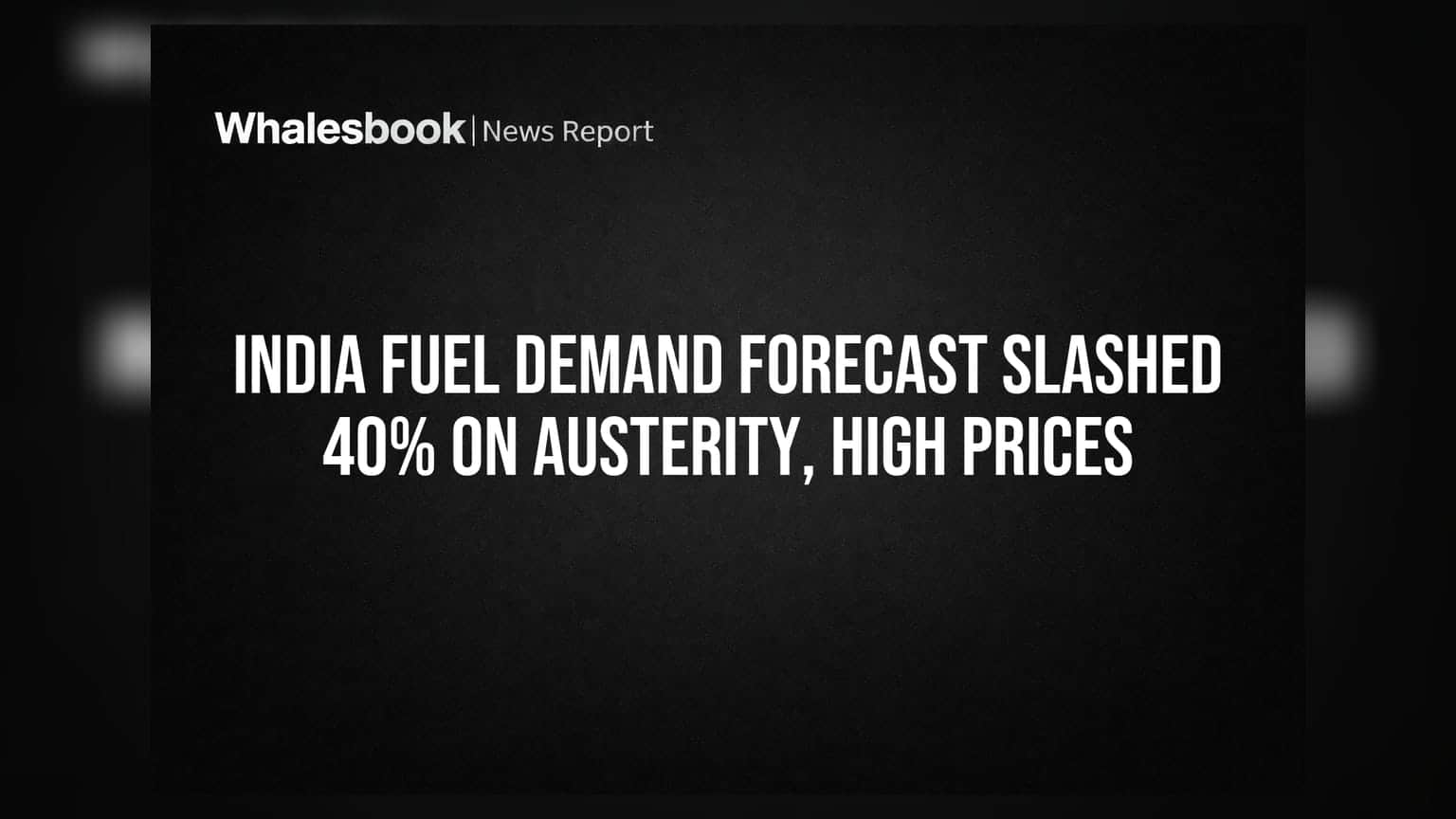


State Refiners Face Profit Squeeze
The sharp reduction in projected fuel demand growth highlights a core challenge for India's oil companies. These firms are burdened by heavy fiscal demands, and their retail prices for petrol and diesel are still nearly 20% below the cost needed to break even, despite recent adjustments. This pricing gap leads to significant margin compression, forcing these major state-run companies to rely on government funding or take on more debt to keep their distribution networks running. This situation creates uncertainty for investors in state-owned energy infrastructure.
Currency Woes Amplify Costs
The rupee's decline against the U.S. dollar is a major factor worsening India's energy cost crisis. As a country that imports most of its crude oil, India faces significantly higher processing costs for every barrel, even before considering global market premiums. Past trends show that when retail prices consistently lag import costs by such a wide margin, the government typically must either implement costly subsidies or enforce steep consumer price hikes. The current policy of encouraging remote work and less travel appears to be a deliberate attempt to reduce demand and manage the country's current account deficit through behavioral changes.
Risks of Over-Reliance on Russian Crude
While discounted oil from Russia helps offset the impact of conflicts like the one between the U.S. and Iran, depending heavily on one supplier introduces long-term strategic risks. A single major supplier could lead to national fuel supplies being exposed to unexpected secondary sanctions or delivery problems. Compared to regional neighbors like Vietnam or Indonesia, where energy demand is more stable despite price changes, India's refined product growth is now one of Asia's most vulnerable. This suggests that the current demand weakness stems more from India's specific financial constraints than from global energy market trends.
What Could Stabilize the Sector?
For the sector to recover, a significant drop in global crude oil prices or a strengthening of the Indian rupee is needed. Until then, the industry is expected to remain cautious. Investors should watch for any signals in upcoming government budget updates regarding potential financial support for state refiners or changes to excise duties. Without shifts in these areas, demand growth is likely to stay suppressed, creating ongoing conflict between the government's goal of keeping consumer prices affordable and the profitability of energy companies.