

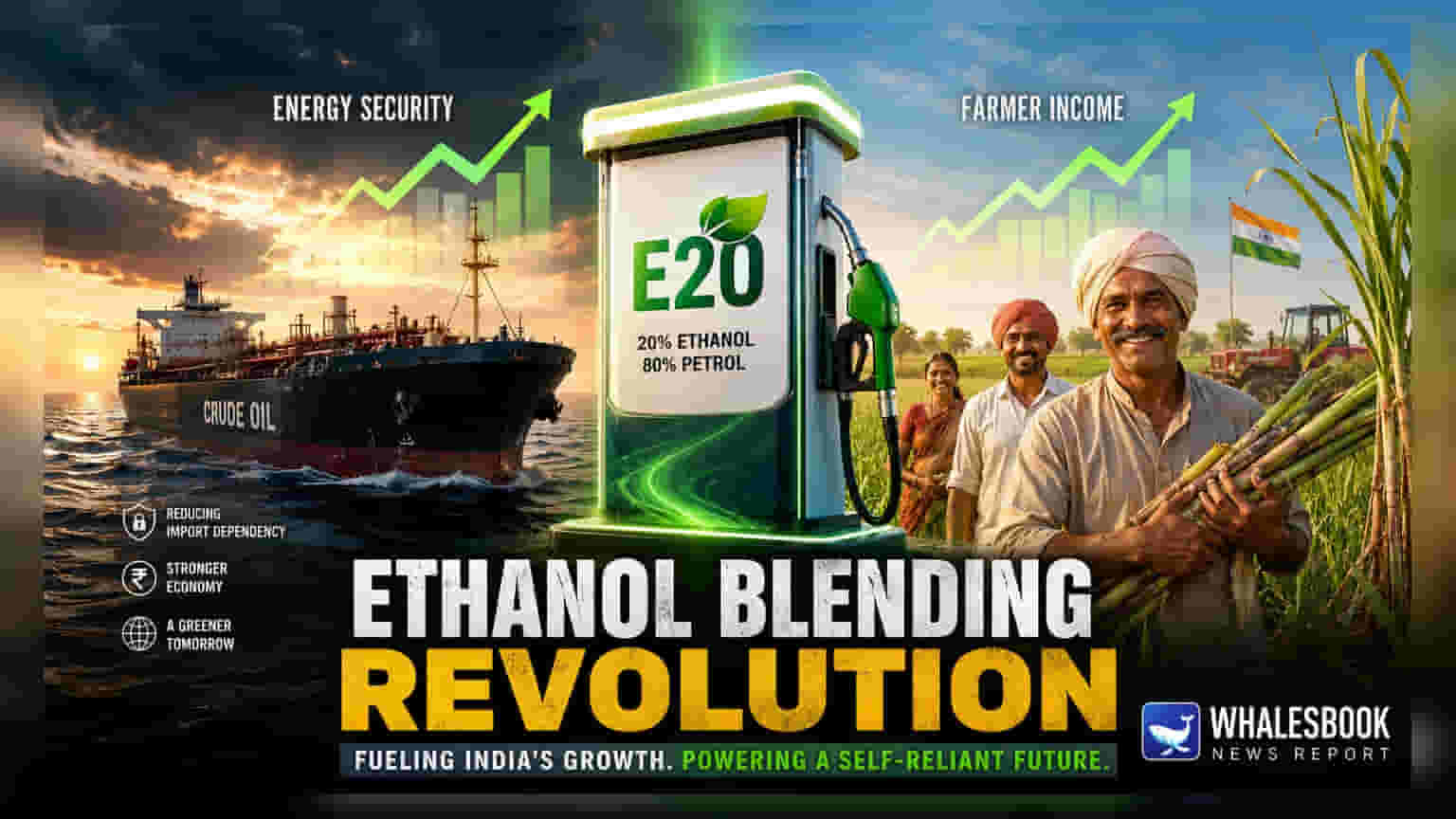
India's E20 ethanol blending program has helped save ₹1.9 lakh crore in crude oil import costs while boosting farmer income by ₹1.6 lakh crore. Experts now confirm that using ethanol-blended petrol does not harm vehicle engine performance or void insurance warranties, addressing common consumer concerns.
What Happened
India’s ethanol blending initiative has delivered measurable economic and environmental gains, according to data highlighted by former Indian Oil Corporation (IOCL) Chairman B Ashok. The program, which aims to increase the use of ethanol in petrol, has saved the country approximately ₹1.9 lakh crore in crude oil import costs by substituting 31 million tonnes of imports. Beyond the macroeconomic benefits, the program has provided an additional ₹1.6 lakh crore in income to the farming community, according to official data points shared regarding the sector’s performance.
Impact on Energy and Environment
Beyond import savings, the shift toward ethanol blending is a cornerstone of India’s energy security strategy. The environmental benefits are also significant, with a reported reduction of 930 lakh tonnes of carbon dioxide equivalent emissions. This transition is essential for India’s long-term climate targets and reduces dependence on volatile global crude oil markets, which directly impacts the nation’s current account deficit.
Clarifying Vehicle Performance Myths
Consumer hesitation regarding the long-term effects of E20 fuel—petrol blended with 20% ethanol—on engine health remains a common theme. However, research from the Automotive Research Association of India (ARAI) and the Society of Indian Automobile Manufacturers (SIAM) indicates that engine performance remains stable. Rigorous testing, including over 40,000 kilometers for passenger cars and 20,000 kilometers for two-wheelers, showed no negative impact on engine durability. Regarding fuel efficiency, industry studies confirm that mileage is primarily influenced by vehicle maintenance, tire pressure, and individual driving habits rather than the ethanol blend itself.
Insurance and Warranty Certainty
Concerns that E20 fuel could lead to warranty rejection or insurance issues have been formally addressed by manufacturers and oil marketing companies. Consumers are advised that using E20-compliant fuel in recommended vehicles does not invalidate manufacturer warranties or insurance policies. The use of ethanol is also carefully managed to ensure it relies on surplus feedstock rather than primary food supplies, aimed at maintaining food security while supporting the agricultural economy.
What Investors Should Track
For investors monitoring the energy and sugar sectors, the key monitorables include the government’s timeline for achieving E20 blending targets nationwide and any adjustments in ethanol procurement prices. While the program provides a stable revenue stream for sugar mills and distilleries, future updates on feedstock availability and policy incentives for grain-based ethanol will be crucial for assessing the profitability of companies within this ecosystem.