 Whalesbook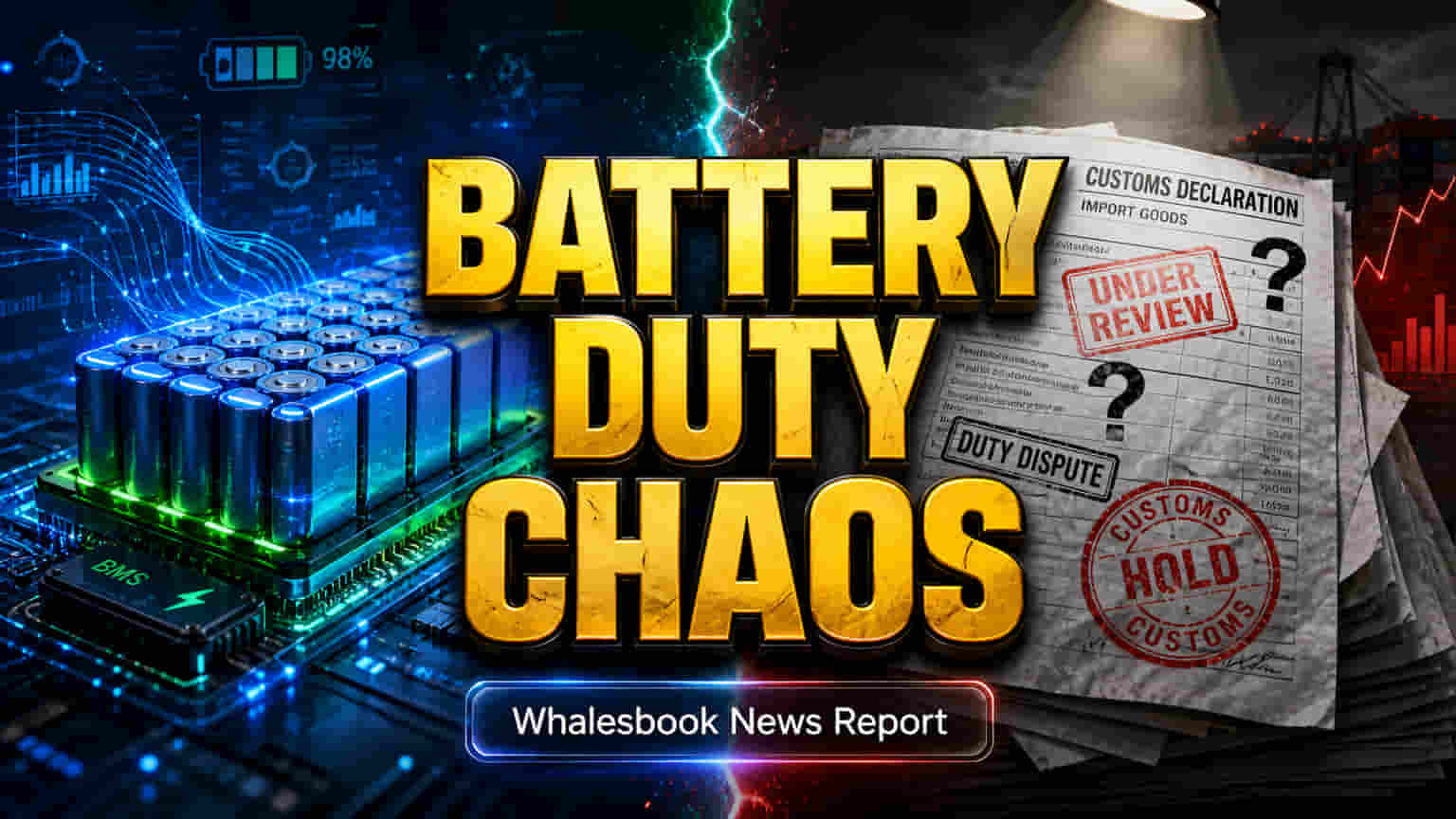


Classification Errors Drive Up Battery Storage Costs
India's fast-growing battery energy storage sector is facing major problems due to unclear Harmonised System of Nomenclature (HSN) codes. These codes frequently lead to advanced battery energy storage systems (BESS) being misclassified as simple power banks at ports. This error results in much higher customs duties, significantly increasing project expenses and slowing the rollout of essential grid-scale storage.
Industry Calls for Clearer Rules and Support
Industry representatives have urgently appealed to the power ministry for changes. They are calling for distinct HSN codes for battery cells, battery packs, and complete storage systems. Companies also want an official list of approved battery manufacturers, similar to the one used for solar modules, to build a stronger domestic supply chain. Additionally, the sector needs clear guidance on customs duty deferment for BESS projects, extending throughout their 12-year operational lifespan.
Crucial for Renewable Energy Goals
These classification problems come as India rapidly expands grid-level energy storage. These systems are essential for integrating variable renewable sources like solar and wind, maintaining grid stability, and meeting peak power needs. The industry also pointed out current rules that restrict storage systems to charging only from nearby renewable energy sources, and is seeking permission to charge from non-renewable grids to improve how assets are used.
Growth Forecasts Threatened by Uncertainty
Stationary energy storage is forecast to grow rapidly, with demand expected to increase by more than 23% annually until 2035, according to the India Energy Storage Alliance. However, current regulatory confusion and rising costs directly threaten these ambitious growth targets and India's clean energy goals.