

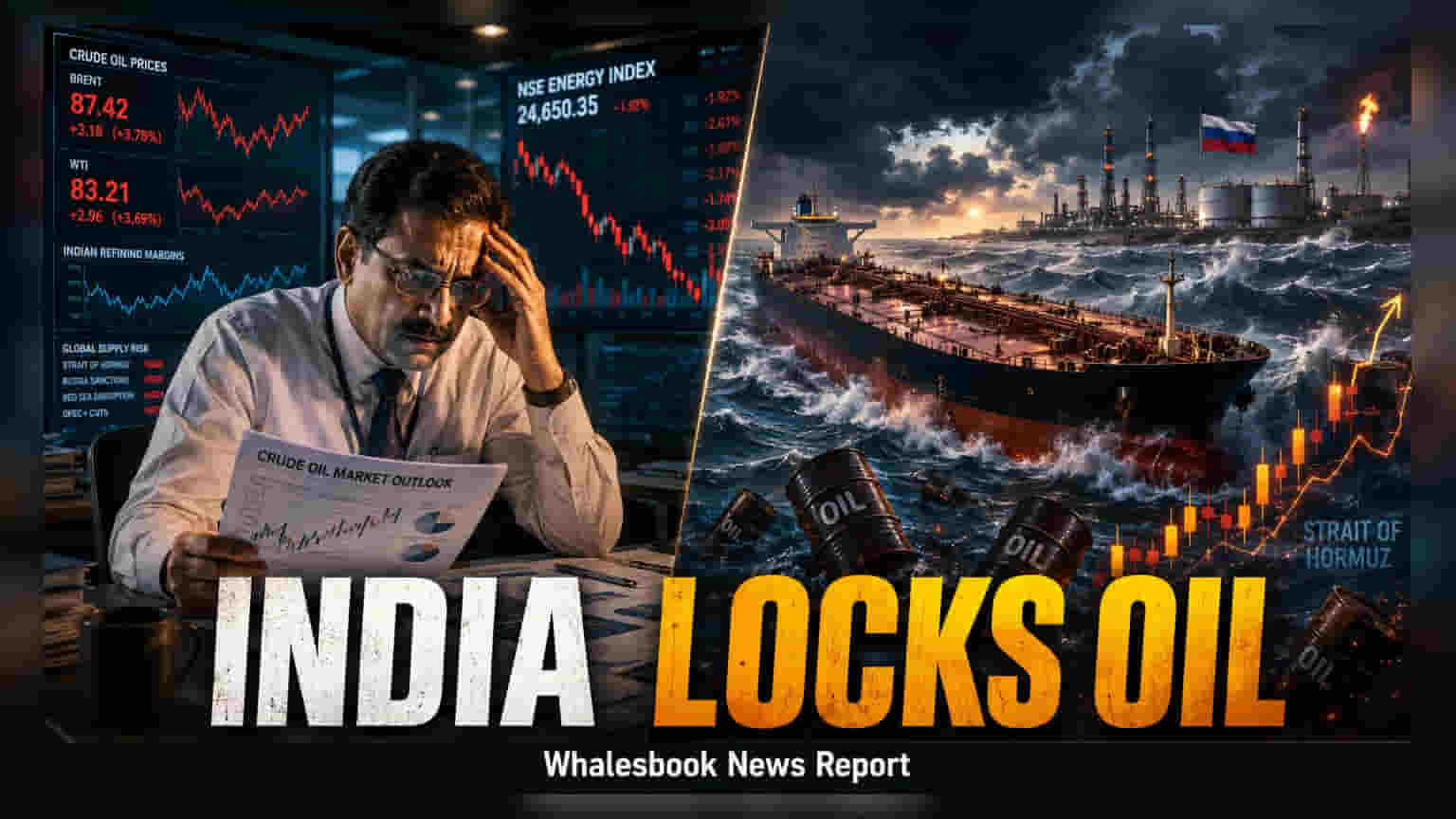
Indian state-owned refiners are booking crude oil supplies months in advance to avoid potential shortages from global geopolitical tensions. This change in strategy comes as companies like HPCL face profit pressure and recent stock volatility following their quarterly results.
Indian state-owned refiners, including Indian Oil Corporation (IOC) and Hindustan Petroleum Corporation Ltd (HPCL), are changing their purchasing habits. Usually, these companies buy spot crude oil for delivery one or two months in advance. However, they are now securing supplies for delivery as late as November 2026. This shift shows growing concern about the reliability of global oil shipments.
Why Supply Security is a Priority
The move comes amid rising geopolitical tensions. Energy experts are worried about potential disruptions in the Strait of Hormuz, a critical waterway for global oil transit. Additionally, attacks on energy infrastructure in Russia have made it harder for India to rely on its top crude supplier. To manage these risks, companies are looking for alternative sources, including supplies from West Africa and other Middle Eastern nations that do not require passage through the troubled Strait of Hormuz.
Financial and Market Context
This aggressive push for inventory comes at a difficult financial time for these refiners. HPCL reported a consolidated net loss of Rs 12,264.67 crore for the quarter ending June 2026. A major reason for this performance is that marketing margins—the profit made on selling fuel—have been under pressure because retail fuel prices in India are regulated and do not always move in line with global oil costs.
On August 14, 2026, shares of HPCL fell by approximately 5%. This price decline was influenced by both the company’s recent weak quarterly results and the fact that the stock was trading ex-dividend. When a stock trades ex-dividend, its price typically drops by the amount of the dividend paid out, which was Rs 19.25 per share for HPCL.
Risks and Future Monitoring
The strategy of buying crude in advance can help companies avoid sudden shortages, but it also carries financial risks. Securing oil while prices are volatile may affect cash flow. Additionally, there is uncertainty regarding potential U.S. sanctions on countries that buy Russian energy. While the Indian government has maintained its stance on energy imports, any new policy changes could create further pressure on the refining sector.
Investors will likely track whether these companies can balance the need for secure supply with the pressure on their profit margins. Other monitorables include global oil price trends, the status of the Strait of Hormuz, and whether the upcoming festival season in India leads to the expected surge in domestic fuel demand, which could help refiners improve their financial performance.