

India’s crude oil imports from Russia declined in August, with refiners increasing purchases from the Middle East. This shift follows concerns over potential US trade tariffs. For investors, moving away from discounted Russian crude toward higher-priced Middle Eastern alternatives may impact refining margins for major Indian oil companies in coming quarters.
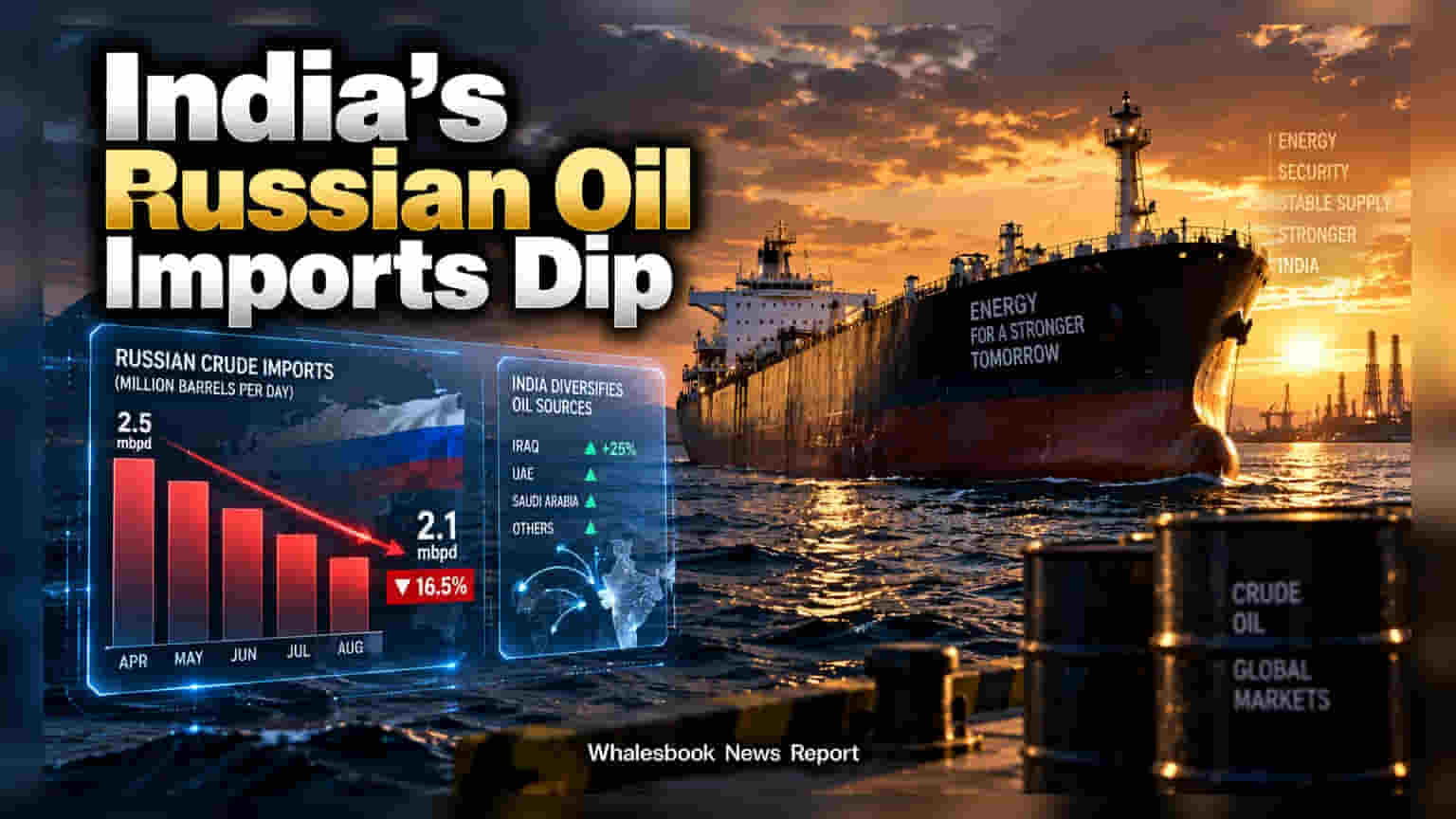
Data from August shows a notable shift in India’s energy import strategy, as imports of Russian crude dropped 16.5% to approximately 2.1 million barrels per day. While Russia remains a major supplier, domestic refiners are beginning to diversify their procurement sources. This change comes after a period where Indian companies benefited from significant discounts on Russian oil, which helped improve profit margins for oil marketing companies (OMCs) and private refiners.
The strategic shift toward Middle Eastern suppliers is partly driven by efforts to mitigate geopolitical risks and ensure long-term energy stability. Abu Dhabi National Oil Company has been utilizing export hubs in Fujairah and Sohar to streamline supply lines, bypassing the Strait of Hormuz to offer more reliable delivery schedules to Indian buyers. During the same period, imports of Iraqi oil increased by roughly 25% to 171,000 barrels per day.
A primary factor driving this caution among Indian refiners is the uncertainty surrounding United States trade policies. Market reports suggest that potential US trade measures, including tariffs on nations importing Russian crude, are prompting Indian companies to adopt a more conservative procurement strategy. Even though India prioritizes energy security, the threat of punitive trade actions is forcing refiners to reconsider their heavy reliance on a single source.
For investors, the key financial impact of this shift is the potential pressure on Gross Refining Margins (GRM). Refiners have historically enjoyed higher profitability by sourcing heavily discounted Russian crude. If this discount narrows or if companies shift toward relatively more expensive Middle Eastern alternatives, the bottom line for major refiners like Indian Oil Corporation, BPCL, HPCL, and Reliance Industries could face pressure. Total oil intake for India also saw a dip in August, falling 8.8% to 4.44 million barrels per day.
Going forward, the specific monitorable for shareholders will be the impact of these changes on quarterly financial reports. Investors may track management commentary during upcoming earnings calls to understand how the company plans to balance the cost of sourcing oil with the need to avoid trade-related risks. Any further decline in Russian oil imports as anticipated for September will provide a clearer picture of whether this is a temporary adjustment or a long-term change in India’s energy import structure.