 Whalesbook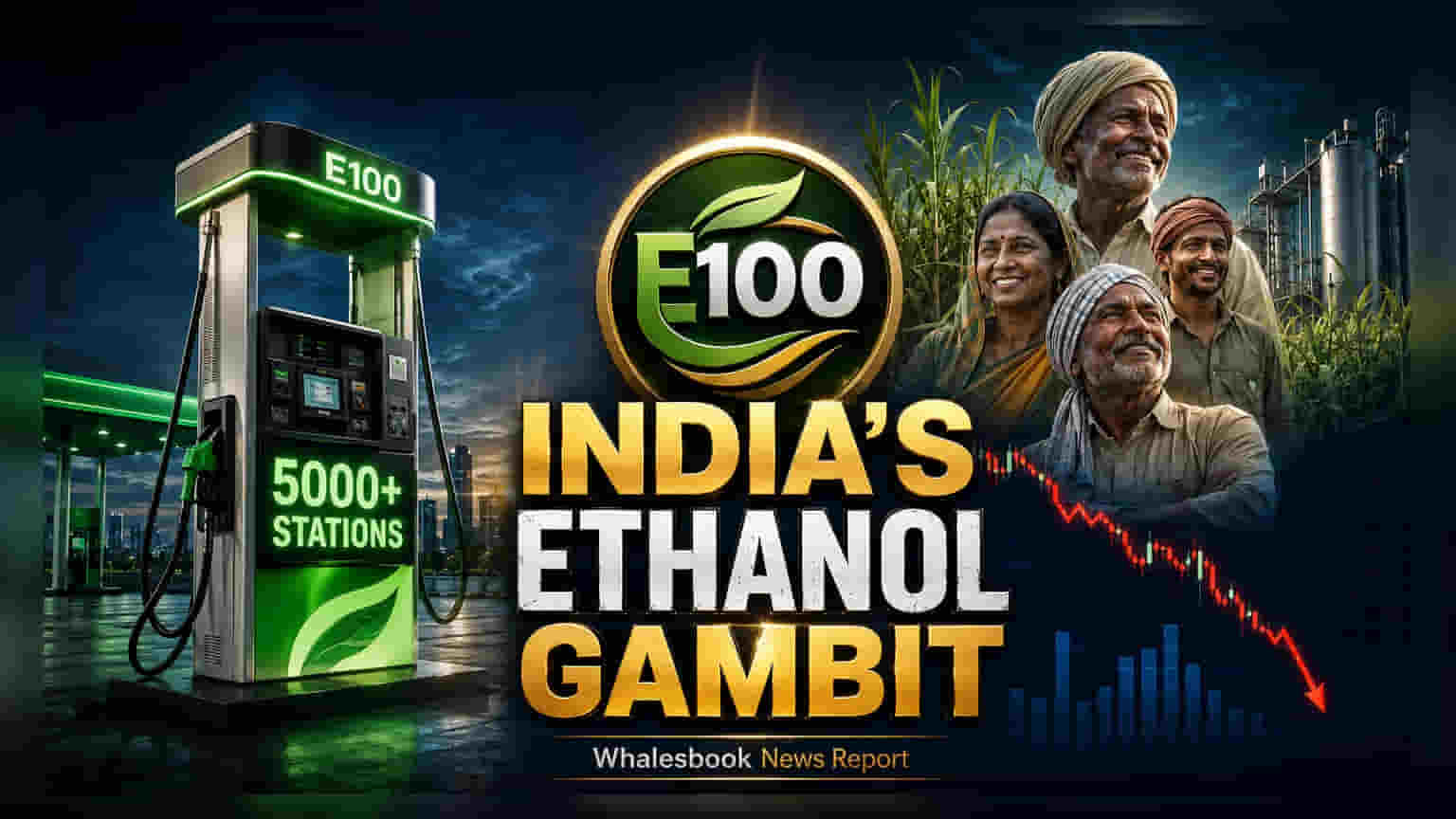


India is accelerating the rollout of E100 flex fuel stations, targeting 5,000 locations nationwide over the next two years. This push is intended to lower the nation's substantial spending on crude oil imports, which amounted to ₹10.9 lakh crore in fiscal year 2026. The Ministry of Petroleum and Natural Gas has outlined a plan starting with 150 outlets in Delhi, Mumbai, Pune, and Nagpur this month, expanding to 500 stations in major cities within a year, and reaching the 5,000-station goal in 24 months.
Automakers like Maruti Suzuki, Hyundai, Tata Motors, Mahindra & Mahindra, Hero MotoCorp, and TVS Motor Company have developed flex-fuel vehicle (FFV) prototypes. However, their market release depends on the availability of E100 infrastructure and clear pricing strategies, with the current scarcity of E100 pumps being a major hurdle.
Flex-fuel vehicles allow for higher ethanol blending and offer consumers more fuel choices. Deepak Ballani, director general of the Indian Sugar & Bioenergy Manufacturing Association (ISMA), stated, "While nearly 85-90% of crude oil is imported, 100% of ethanol is produced in India, supporting nearly 70-80 million farmers and stakeholders linked to the ethanol ecosystem." This domestic production helps save foreign exchange and boosts the agricultural sector.
To encourage widespread FFV adoption, consumer incentives such as reduced GST and competitive pricing are needed. The Society of Indian Automobile Manufacturers (SIAM) has suggested pricing E100 30% below petrol to offset its lower fuel efficiency. Past pilot programs, including one by Indian Oil Corporation (IOC), showed limited consumer interest due to a small FFV base and consumer hesitancy. Currently, India's standard ethanol blend is 20%, with E100 sales making up less than 0.5% of retail fuel. The energy sector is also prioritizing electric vehicles (EVs), which presents a different path compared to ethanol-based solutions and may pose a long-term challenge for ethanol adoption despite its immediate benefits for reducing oil imports.