 Whalesbook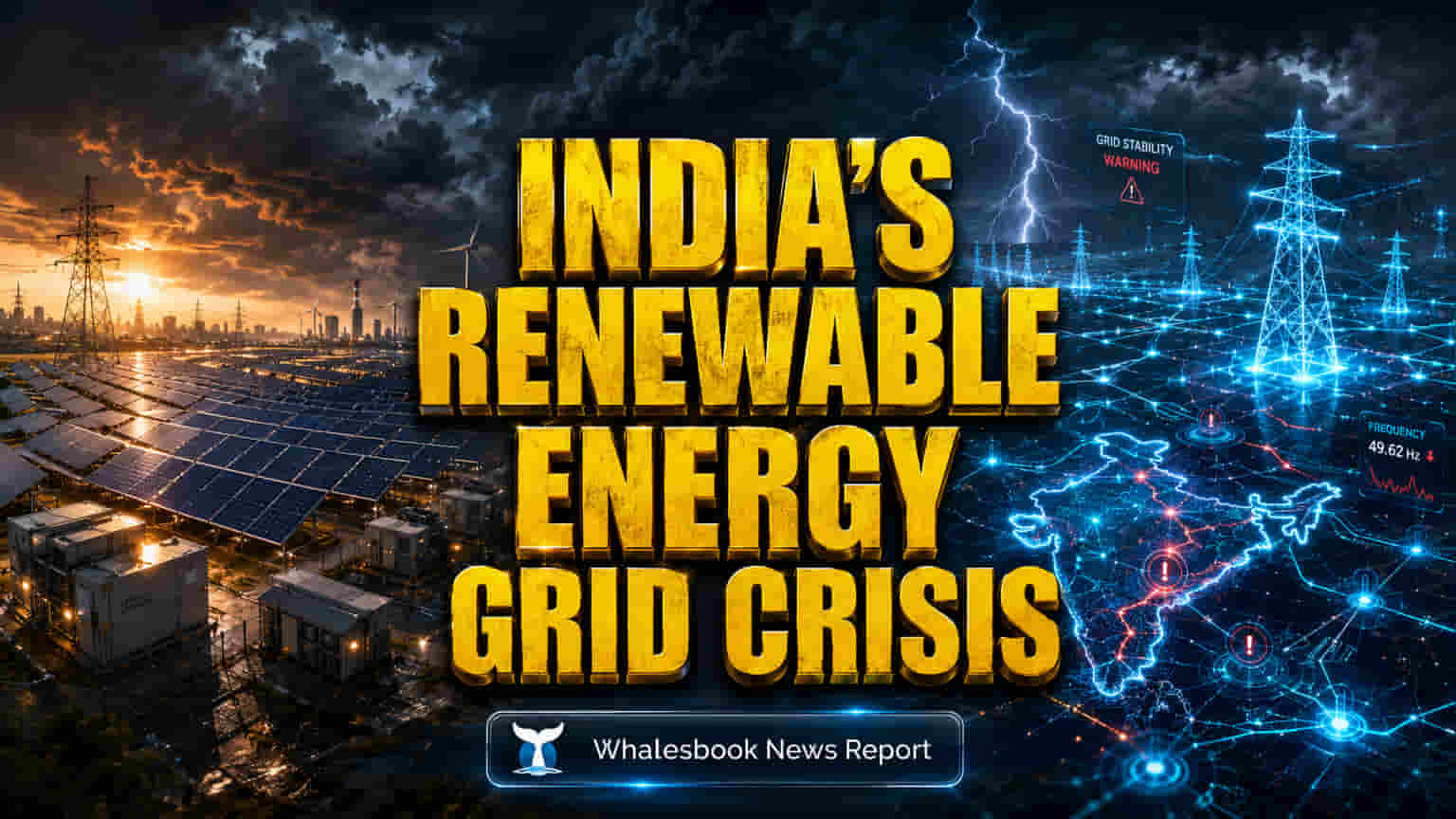


Renewable Power Goes to Waste
India is facing a major problem integrating its growing renewable energy sources, leading to significant power being wasted. In April alone, an average of 23 gigawatt-hours of solar power were backed down daily. This occurs because the grid cannot handle the excess electricity generated during sunny daytime hours, creating a bottleneck for the country's clean energy goals.
Upgrades Needed: Storage and Grid Tech
To absorb more clean energy, India needs substantial upgrades to its power grid and investments in storage technology. Key solutions include battery energy storage systems (BESS), advanced grid-forming inverters that can help stabilize the grid, and modernizing grid infrastructure. These are becoming essential to manage the high levels of renewable energy being added to the system.
Falling Battery Costs Offer Hope
Renewable energy curtailment isn't new in India, but the scale seen recently shows a worsening trend. Historically, these issues have caused temporary market drops for renewable firms. However, the falling costs of battery storage technology are making large-scale deployment more affordable. This offers a vital way to store excess solar power generated during the day for use during peak demand or when the sun isn't shining, reducing waste.
Spreading Out Renewable Energy
The concentration of solar and wind farms in states like Rajasthan and Gujarat has worsened congestion on power lines. To ease this, the government is looking at ways to encourage renewable energy projects in new locations. This strategy aims to spread out the load more evenly across the country. Officials have also spoken of building a national "super grid," similar to ambitious projects seen worldwide, to create a more robust and interconnected power system capable of handling vast renewable energy flows.
Challenges in Project Execution
Despite the clear need for these upgrades, significant risks remain in carrying them out. Large projects like the Green Energy Corridor scheme, which aims to fund these improvements, depend on efficient implementation by state power companies. Historically, such projects often face delays due to red tape, land acquisition issues, and bureaucratic hurdles. Furthermore, implementing advanced technologies like grid-forming inverters and large battery storage requires a skilled workforce, a capacity that may still be developing.
Supply Chain and Financial Risks
The large investment needed for grid modernization could pressure government budgets or lead to higher electricity prices for consumers if not managed carefully. The strategy also depends on a stable supply chain for key components, many of which are imported. Global issues or trade disagreements could block these supplies, raising prices and delaying critical projects. There's also a risk that technology advances faster than current infrastructure upgrades, requiring frequent and expensive updates.
Analyst View: Growth Amid Caution
Looking ahead, analysts expect strong growth in India's renewable energy sector, but this depends heavily on quickly fixing grid integration problems. Investments in energy storage are projected to increase significantly, boosted by government support and falling battery prices. Companies involved in grid infrastructure and energy storage will likely see more business as modernization projects accelerate. However, investors remain cautious about project timelines and how fast the grid can adapt to absorb new renewable capacity. This suggests that while many opportunities exist, managing risks will be crucial for investors. Most analysts anticipate moderate gains for companies well-placed in this sector, provided they can handle the operational and regulatory challenges.