 Whalesbook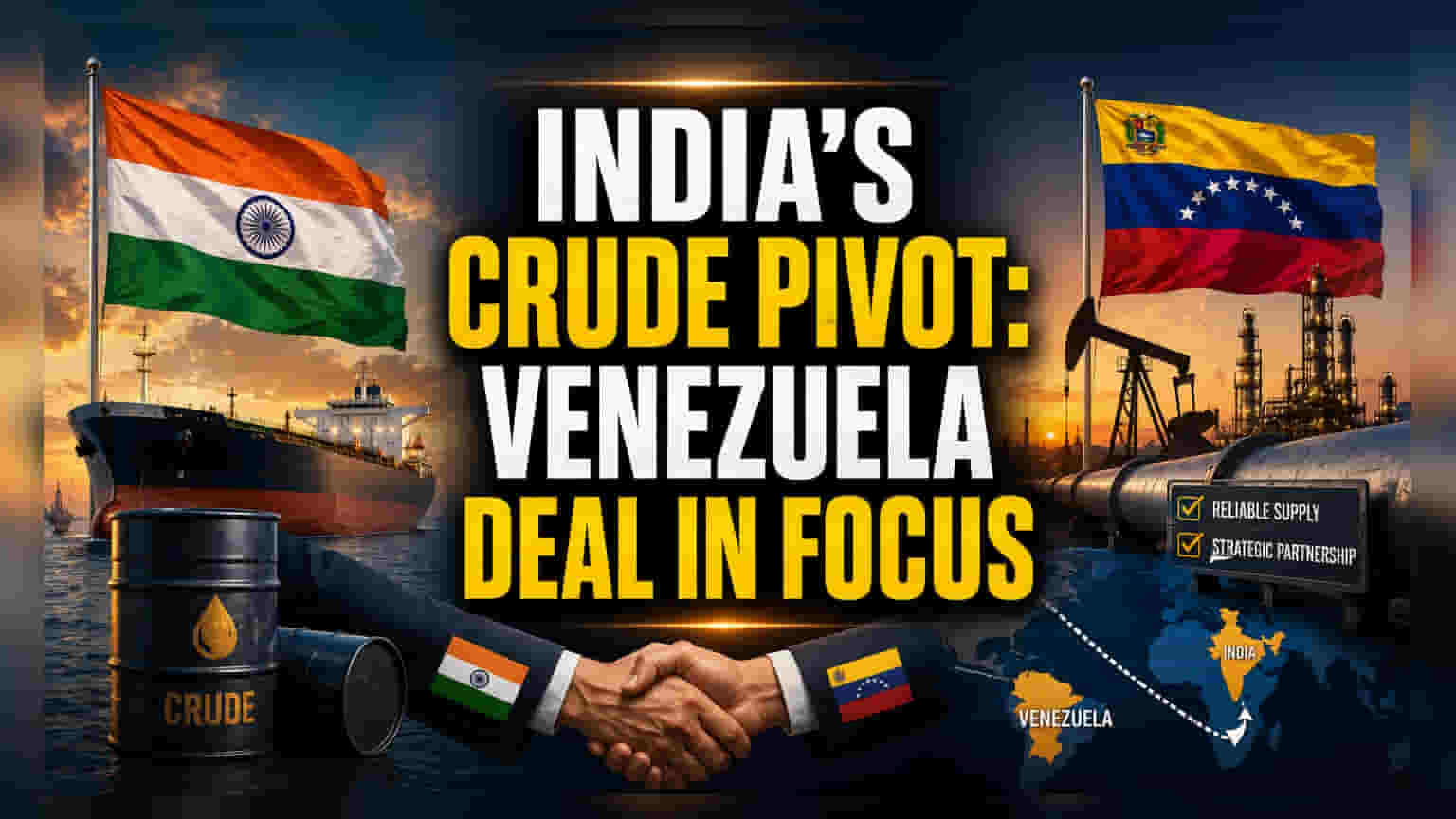


The Geopolitical Energy Shift
India’s strategic pivot toward Caracas is a calculated response to the persistent supply instability across the Middle East. With nearly 40% of India's pre-war crude imports flowing through the Strait of Hormuz—a route effectively shuttered by the ongoing Iran conflict—New Delhi is necessity-bound to secure reliable alternative energy sources. Venezuela, possessing the world’s largest proven oil reserves, has rapidly emerged as a critical supply pillar. Data indicates that Venezuelan crude shipments to Indian ports have surged significantly throughout the second quarter of 2026, positioning the nation as India's third-largest spot supplier this month.
The Valuation and Operational Gap
Despite the diplomatic overtures during the high-level visit of acting President Delcy Rodriguez, the partnership remains hindered by historical financial friction. The most pressing hurdle involves over $500 million in dividends and profits owed to ONGC Videsh, which have remained trapped in Venezuela for years due to earlier sanctions and financial constraints. While the current U.S.-backed arrangement allows for resumed oil trade—with proceeds flowing through U.S. Treasury-controlled accounts—this framework does not automatically guarantee the repatriation of legacy dues. For institutional stakeholders, the delta between the rhetoric of a 'perfect complementarity' and the reality of frozen capital remains a primary analytical concern.
The Forensic Bear Case
From a risk-averse perspective, the optimism surrounding this partnership faces severe structural weaknesses. Unlike competitors that operate with clean balance sheets in more stable jurisdictions, the Venezuelan energy sector remains tethered to complex regulatory oversight from the U.S. State Department. Investments are not just commercial decisions but are subject to evolving geopolitical mandates, where any shift in Washington's sanctions policy could abruptly compromise operations. Furthermore, the reliance on heavy, high-sulfur crude limits the number of Indian refineries capable of processing these barrels, potentially narrowing the long-term ROI for firms like ONGC Videsh and Indian Oil Corp compared to lighter, more accessible crude grades.
Future Outlook
Moving forward, the success of this bilateral framework depends on whether Caracas can transition from diplomatic goodwill to concrete debt-resolution mechanisms. While a technical delegation is slated to visit Venezuela to assess upstream and downstream opportunities, any significant new capital expenditure by Indian public sector enterprises will likely remain paused until the $500 million dividend impasse is resolved. Analysts maintain that until a clear debt-repayment trajectory is established, this relationship will function primarily as a spot-market supply arrangement rather than a cornerstone of India’s long-term energy infrastructure.