

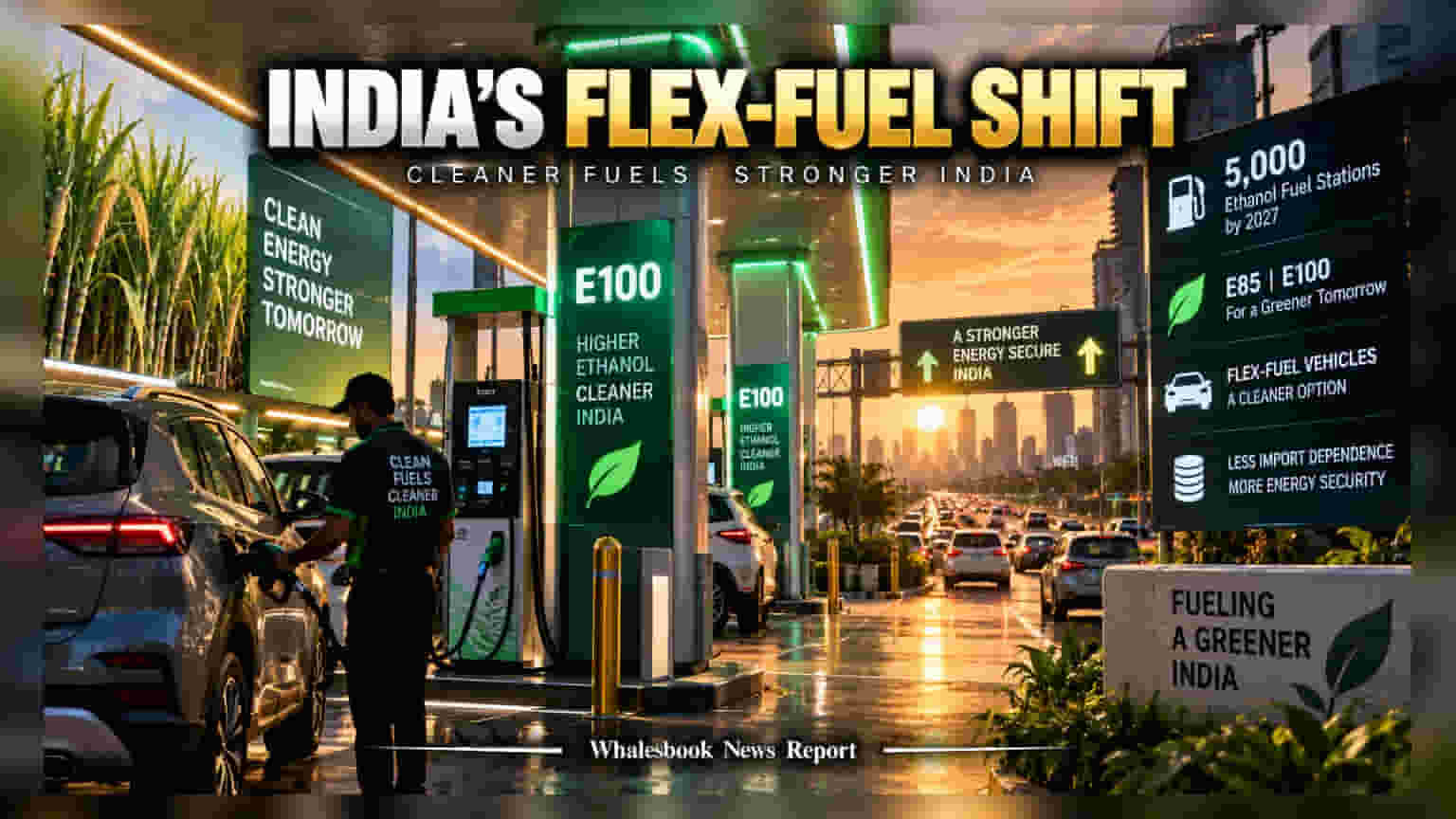
The Indian government is fast-tracking the infrastructure for flex-fuel vehicles by planning 5,000 dedicated ethanol stations by 2027. This move aims to reduce reliance on volatile crude oil imports by moving beyond E20 blending targets. Investors are watching how auto manufacturers manage the transition to higher ethanol blends while balancing vehicle performance and consumer demand.
The Indian government has launched an aggressive push to establish 5,000 dedicated fuel stations for high-ethanol blends by the end of 2027. This strategic shift moves the nation beyond the existing E20 ethanol-blending targets, focusing instead on a broader adoption of flex-fuel vehicles that can operate on higher ethanol concentrations, including E85 and E100. The primary goal is to insulate the domestic energy sector from global crude oil price volatility and supply chain disruptions, particularly those affecting imports from West Asia.
Strategic Shift in Energy Policy
The policy pivot comes as crude oil prices face recurring upward pressure due to geopolitical instability. By building a dedicated retail network for high-ethanol fuel, the government intends to create a long-term alternative to traditional petrol. This creates a parallel demand channel for the country’s growing ethanol production capacity, which has already outpaced current blending requirements in several regions. For the energy sector, this reduces dependence on imported fossil fuels, effectively creating a domestic bio-fuel ecosystem.
Impact on Auto Manufacturers
Automakers are currently adjusting their production roadmaps to align with these new standards. Major players like Maruti Suzuki and Hero MotoCorp have already showcased or begun preparations for flex-fuel compliant models. However, the success of this transition depends on wider consumer adoption. Unlike standard petrol engines, flex-fuel vehicles require specific engineering modifications to handle the corrosive nature of high-ethanol blends, which can increase manufacturing costs. Investors may monitor how these companies manage the cost-benefit trade-off and whether these new models can gain traction in a price-sensitive market.
Economic and Structural Challenges
While the push for higher blending offers energy security benefits, it comes with notable risks that could affect the industry’s long-term outlook. A significant challenge for the adoption of flex-fuel vehicles is the lower fuel efficiency compared to traditional petrol, which may influence consumer purchasing decisions. Additionally, the industry faces a chicken-and-egg dilemma: the demand for flex-fuel vehicles is limited by the current scarcity of high-ethanol refueling infrastructure, while the pace of station rollout depends on the number of vehicles on the road.
Furthermore, the reliance on agricultural raw materials, such as sugarcane and grains, poses a delicate balance for food security. If ethanol production demand creates excessive pressure on these supplies, the government may need to implement flexible blending policies, such as reverting to lower blends during times of shortage. There are also concerns regarding the high water consumption required for sugarcane cultivation, which is a major source for ethanol production. Market participants will likely watch for future policy updates regarding feedstock availability, infrastructure progress, and how auto companies navigate the potential performance and cost challenges of their new flex-fuel portfolios.