

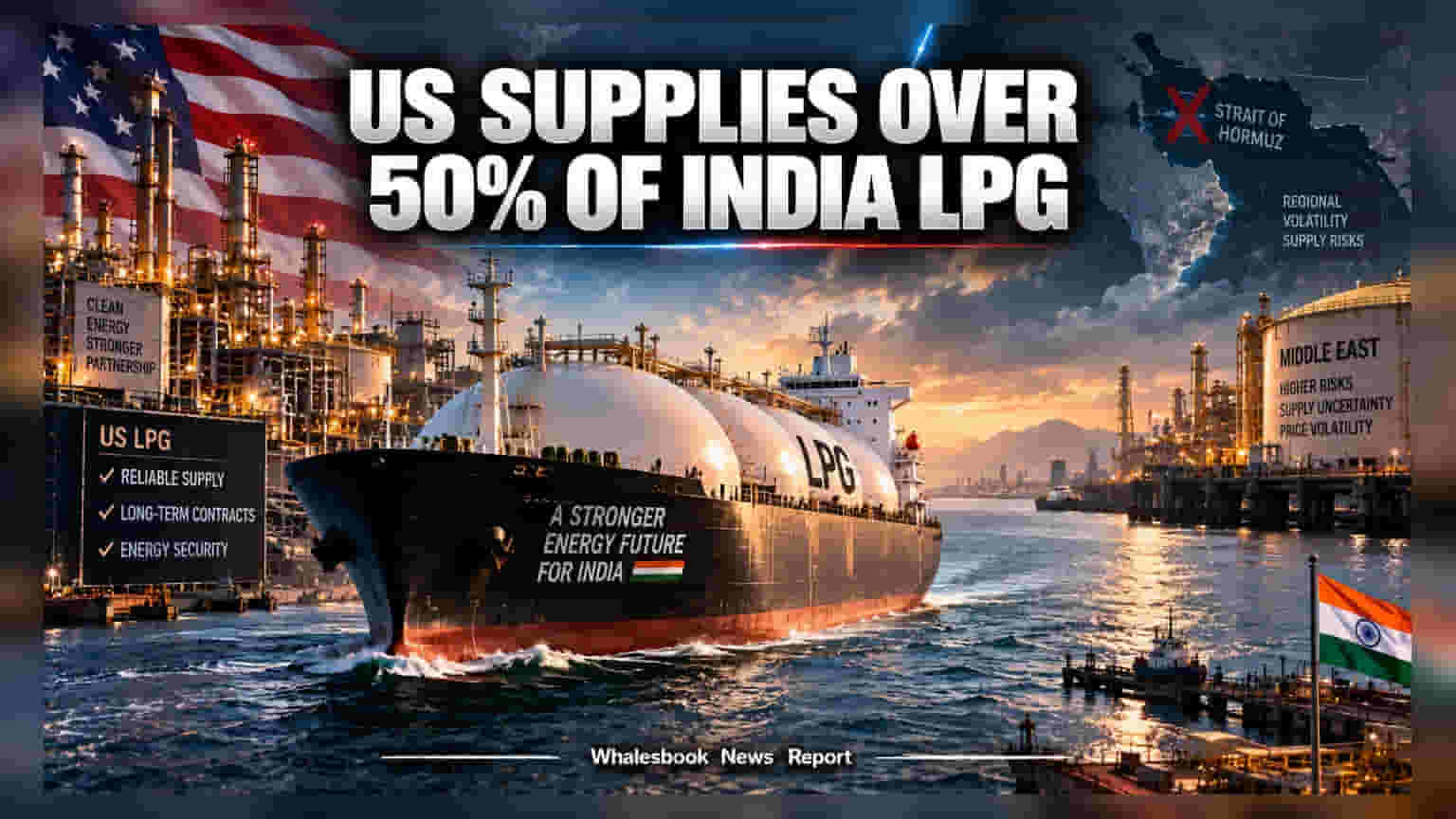
India has replaced Gulf nations with the United States as its top supplier of Liquefied Petroleum Gas, with US imports exceeding 50% since March 2026. This pivot followed major supply disruptions in the Strait of Hormuz. For investors, the change highlights the increased logistical and pricing challenges faced by state-run Oil Marketing Companies (OMCs) as they manage higher freight costs and ongoing subsidy pressures.
India has fundamentally reconfigured its Liquefied Petroleum Gas (LPG) supply chain following the closure of the Strait of Hormuz in February 2026. Historically dependent on Gulf nations for nearly 90% of its LPG, India has rapidly pivoted to the United States, which now accounts for over 50% of total imports. This shift represents a structural move to secure energy supplies after regional volatility created acute shortages earlier in the year.
The transition relies on long-term contracts, including agreements for 2.2 million tonnes of US-sourced LPG for the 2026 calendar year. Unlike the traditional Gulf pricing models that are often linked to volatile crude oil benchmarks, the US supply is largely indexed to the Mont Belvieu daily spot price. While this provides some protection against the crude-linked price swings, it introduces new variables, including higher freight costs due to the significantly longer shipping routes compared to the short-haul voyages from the Middle East.
The impact of this procurement shift is most directly visible in the financials of state-run Oil Marketing Companies (OMCs), including Indian Oil Corporation, Bharat Petroleum, and Hindustan Petroleum. These companies bear the cost of importing LPG, which is a critical fuel for household use across India. Because the retail price of LPG is often administered or subsidized, higher landed costs from the US—driven by longer transit times and shipping expenses—can put significant pressure on the operating margins of these firms unless they are fully offset by government subsidies or operational efficiencies.
Evidence of a stabilizing supply chain emerged on September 7, 2026, when the government reduced the mandatory wait time for rural LPG refills from 45 days back to 25 days. This decision indicates that the initial crisis-level shortages have eased, even as the country continues to rely on a more diversified import base. However, the reliance on long-distance imports leaves the sector exposed to fluctuations in the US dollar-to-rupee exchange rate and global freight markets.
For market participants, the primary risks include the continued financial burden on OMCs, which operate in a highly regulated pricing environment. Additionally, India’s lack of strategic LPG reserves remains a structural vulnerability, meaning the country remains susceptible to future global supply chain shocks. Investors may continue to track the profit margins of these OMCs in upcoming quarterly results to see how effectively they manage the higher import costs alongside their domestic distribution commitments.