

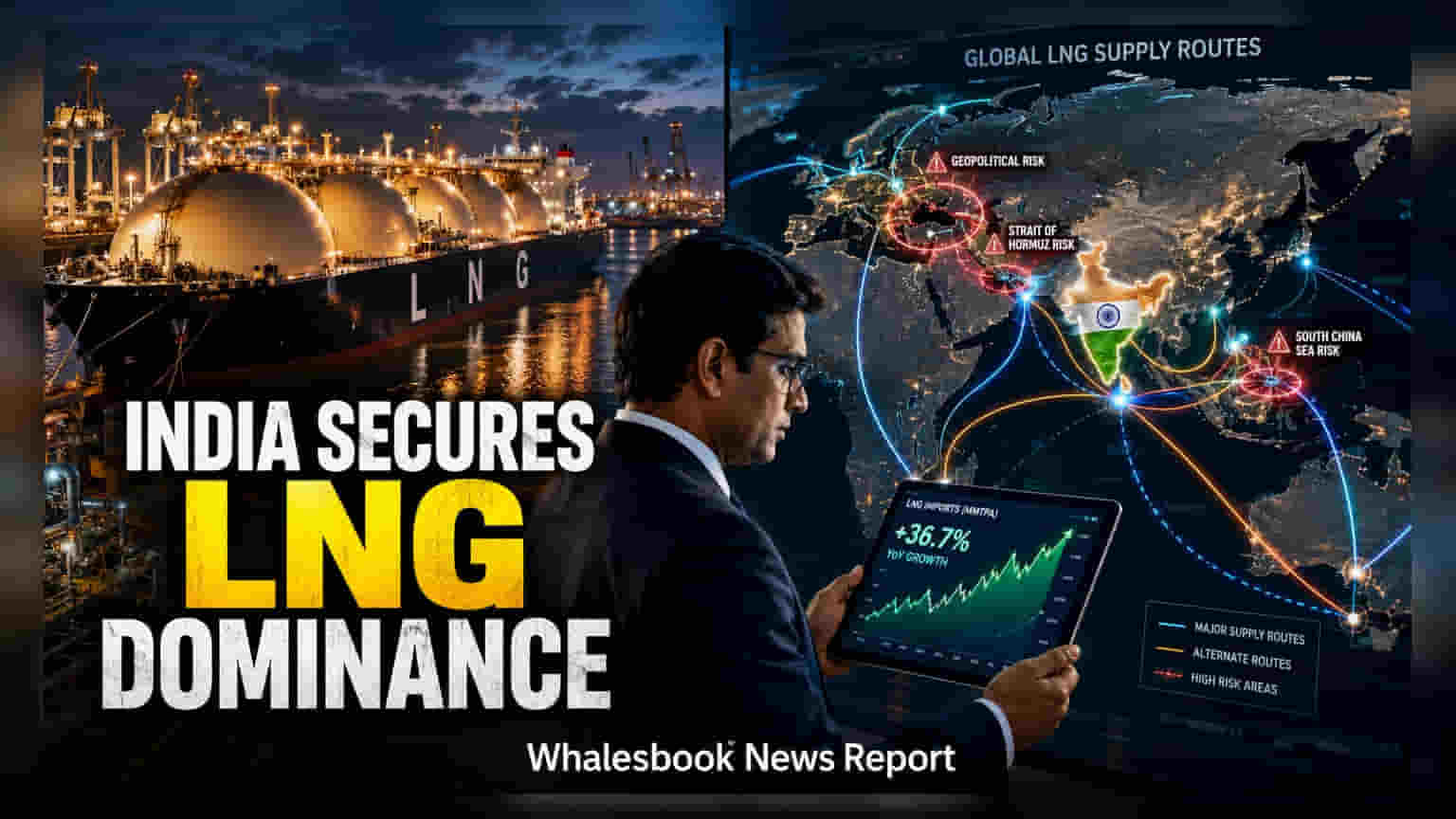
India has become the world's most active buyer of long-term Liquefied Natural Gas contracts, locking in 8.4 million tonnes per annum to meet rising domestic demand. Leading companies including Indian Oil Corporation and GAIL are behind this strategic push. While this helps secure energy supply, investors should monitor the risks of global supply route disruptions and heavy reliance on Middle Eastern imports.
Detailed Coverage
India has solidified its position as a major player in the global energy market, emerging as the top buyer of long-term Liquefied Natural Gas (LNG) contracts for 2025. According to the 2026 annual report from the International Group of Liquefied Natural Gas Importers (GIIGNL), Indian energy companies collectively secured 8.4 million tonnes per annum (mtpa) of capacity. This move marks a coordinated effort to hedge against rising domestic energy needs and ensure steady supply channels.
Key Players Driving Energy Imports
The procurement drive was spearheaded by six major Indian entities. Indian Oil Corporation accounted for the largest share, securing 4.7 mtpa. State-run gas utility GAIL and Gujarat State Petroleum Corporation each added 1 mtpa to the tally. Other participants included Torrent Power with 0.69 mtpa and Bharat Petroleum Corporation with 0.5 mtpa, while Hindustan Petroleum Corporation also secured additional volumes. This volume of contracting is part of a broader global trend where long-term supply agreements have surged to meet the needs of growing economies.
Strategic Risks and Supply Vulnerability
While securing long-term supply provides stability, the strategy highlights a significant dependency on specific geographic regions. India currently sources 59% of its LNG from Qatar and the UAE. The GIIGNL report specifically warned that geopolitical tensions impacting vital energy hubs, such as Qatar’s Ras Laffan liquefaction terminal and the Pearl Gas-to-Liquid plant, pose a material risk to these supply chains. Because a substantial portion of global LNG flows through the Strait of Hormuz, any disruption in this shipping lane could tighten supply and drive up procurement costs for importers.
Impact on Energy Consumers and Investors
For Indian companies involved in gas distribution, the ability to secure these long-term contracts helps manage price volatility, but it does not eliminate the risk of external supply shocks. The limited availability of short-term or 'spot' market cargoes means that if major long-term suppliers face operational delays or geopolitical shutdowns, companies may struggle to fill the gap at affordable prices. Investors tracking these energy firms should look beyond initial contract announcements to monitor how efficiently these companies manage their import logistics and whether profit margins can be maintained if global gas prices or shipping costs spike due to supply route instability. The next major monitorable for these entities will be the actual volume of LNG delivered versus contracted amounts, as well as any updates regarding the security of Middle Eastern export corridors.