 Whalesbook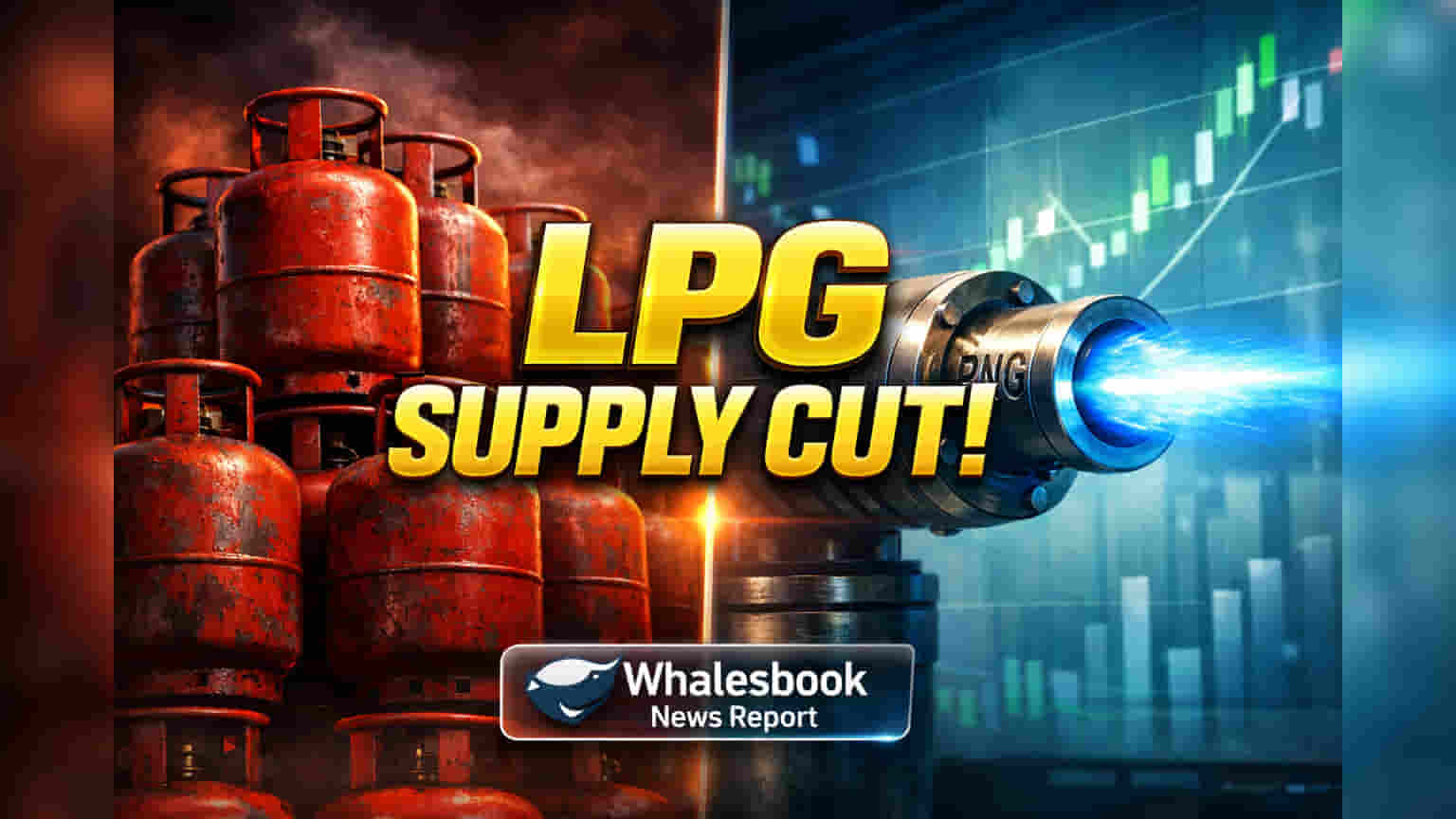
India's Energy Shift Amid Global Risks
This policy shift signals a change in India's energy distribution, driven by rising geopolitical risks in global energy markets. The government is mandating households with piped natural gas (PNG) infrastructure to switch from Liquefied Petroleum Gas (LPG). The goal is to strengthen energy security and better manage the nation's fuel mix. This directive aims to reduce risks from imported LPG and speed up the growth of domestic natural gas networks.
New Rules for Switching to PNG
Households in areas with Piped Natural Gas (PNG) infrastructure must now switch from Liquefied Petroleum Gas (LPG) within three months of being notified. If they don't switch, LPG supply will stop. This reinforces the government's commitment to improving energy access and reducing reliance on imports. India imports 60% of its LPG and 50% of its natural gas, with much of the LPG passing through the Strait of Hormuz, a key route currently facing disruptions due to geopolitical conflicts. The government plans to redirect LPG supplies to areas without PNG infrastructure, aiming for wider energy access. The Petroleum and Natural Gas Regulatory Board (PNGRB) is overseeing this transition, part of a national goal to have natural gas make up 15% of the primary energy mix by 2030.
PNG Companies Poised for Growth
City gas distribution (CGD) companies are set to benefit greatly from this directive. Major companies such as Indraprastha Gas Limited (IGL), Mahanagar Gas Limited (MGL), and GAIL Gas Limited can now capture more demand and speed up network expansion. These companies have already seen increased interest, with MGL's stock rising after the policy was announced. The faster rollout of PNG infrastructure is backed by new government orders that aim to streamline approvals and land access, helping to overcome long-standing red tape. The government has also introduced reforms to speed up pipeline laying and expansion, including automatic approvals if authorities don't respond within set times. This push is expected to boost PNG connections. While there are fewer PNG connections than LPG (around 1.6 crore PNG vs. over 33 crore LPG), PNG offers more convenience and potentially lower long-term costs. This is due to metered billing and no cylinder logistics. For example, PNG prices in Mumbai are about ₹50 per standard cubic meter, which is roughly ₹62-₹75 per kilogram. This is similar to or cheaper than LPG, especially when delivery costs are factored in.
Hurdles Remain for Infrastructure and Consumers
Despite the strong policy push, significant hurdles exist. PNG infrastructure expansion, especially 'last-mile connectivity,' is still not enough to meet projected demand, with pipeline network rollouts happening slower than needed. Bureaucratic delays, issues between departments, and resistance from housing societies and resident welfare associations have historically slowed pipeline work. While the new order aims to overcome these issues by requiring access and setting deadlines, how it's put into practice will be crucial. Consumer adoption may also face resistance; many homes are used to LPG, and the upfront cost of connections or stove changes could deter some. The government's goal to reach 15% natural gas in the energy mix by 2030 depends heavily on overcoming these logistical and behavioral barriers. Although companies like IGL have seen more app registrations and new connection requests, the real conversion rate and the speed of infrastructure deployment to reach all eligible homes remain key questions. The policy also highlights how vulnerable India's energy supply chain is, with 60% of LPG imports crossing the Strait of Hormuz, a vital route currently disrupted.
Outlook: A Strategic Energy Transition
The government's strong push for PNG adoption fits with its wider energy transition plans for a cleaner, more diversified energy system. By using the current geopolitical energy crisis, India is speeding up its move towards natural gas, positioning it as a key fuel for this transition. This policy is expected to drive significant growth in the CGD sector, with market value predicted to rise from USD 12.79 billion in 2026 to USD 23.38 billion by 2031. The success of this shift will depend on the steady pace of infrastructure development, how well implementation challenges are resolved, and strong consumer involvement. The government's dedication to a gas-based economy is clear, but the path ahead involves managing complex logistical, economic, and social issues.