 Whalesbook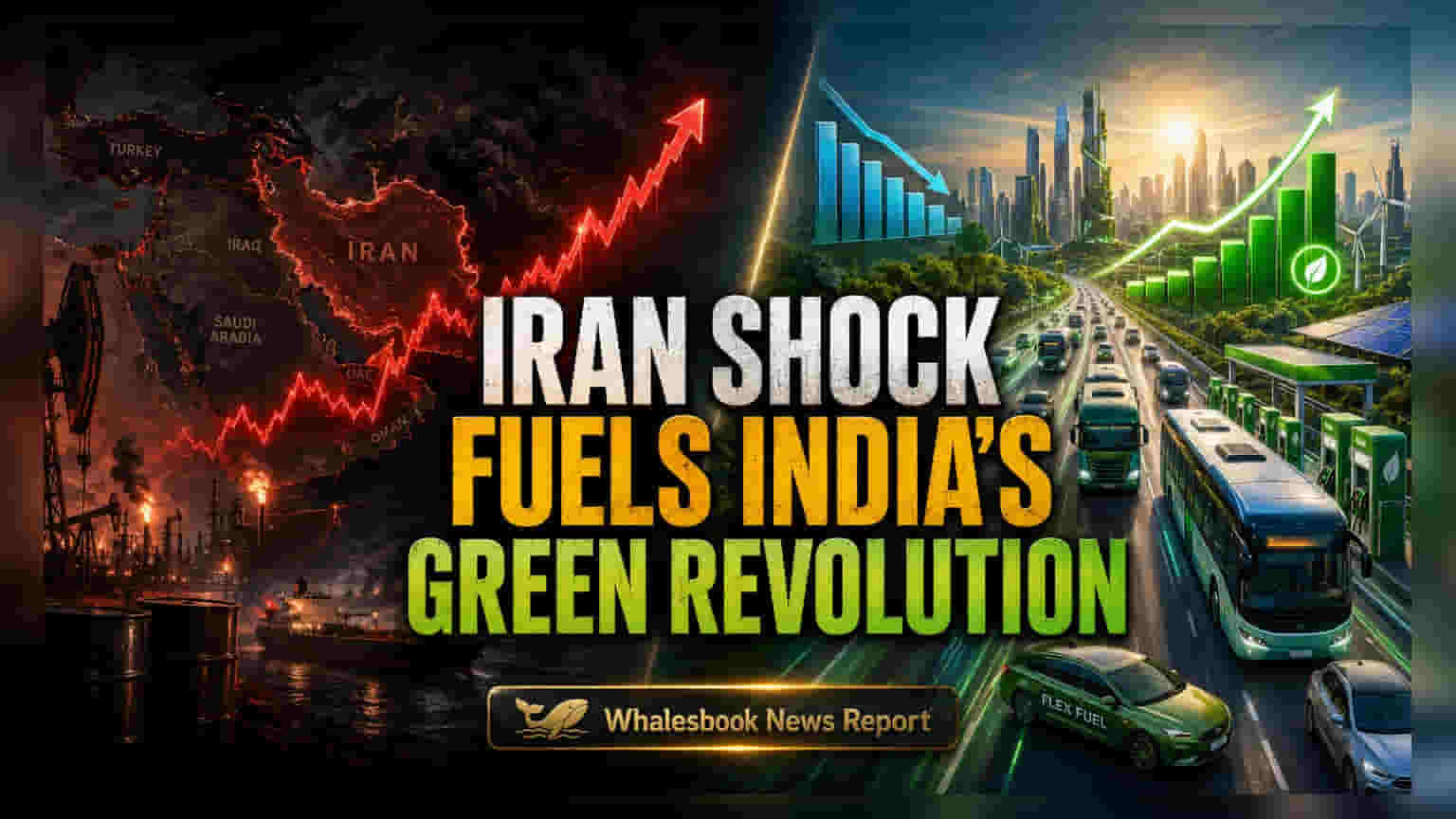


India is strategically accelerating its shift to electric vehicles (EVs) and 100% ethanol fuel, a move directly influenced by the escalating geopolitical tensions in West Asia and their impact on global oil prices and supply security.
This pivot aims to secure energy independence, reduce a massive import bill of ₹10.9 lakh crore, bolster economic resilience, and mitigate inflationary pressures from volatile oil markets.
Boosting Electric Commercial Vehicles
The government plans a significant incentive program, potentially over $1 billion, to encourage private operators to adopt electric buses and trucks. This decade-long initiative targets the commercial vehicle sector, a major consumer of diesel. Proposed benefits include interest subsidies up to ₹1.5 million per vehicle and partial credit guarantees for loans. Companies like Tata Motors, Olectra Greentech, and Ashok Leyland are expected to benefit, while the PM E-DRIVE initiative will directly support electric trucks.
Expanding Ethanol Infrastructure
In parallel, India is rapidly developing its ethanol infrastructure. The Ministry of Petroleum and Natural Gas is fast-tracking the setup of 5,000 E100 fuel stations within two years, starting with 150 in major cities. To encourage adoption, E100 may be priced 30% lower than petrol, with potential tax and GST incentives. Automakers such as Maruti Suzuki and Tata Motors are developing flex-fuel prototypes, aiming for launches by late 2026. The government has also set standards for up to 30% ethanol blends (E30), paving the way for biofuels and reducing crude oil dependence. India has already met its 20% ethanol blending goal ahead of schedule for 2025.
Challenges Ahead
Despite the ambitious plans, hurdles remain. Automakers have been hesitant to launch flex-fuel vehicles due to insufficient fueling infrastructure and unclear pricing. A nationwide E100 rollout will require substantial investment and time. Concerns also exist regarding the real-world efficiency and long-term engine reliability of flex-fuel vehicles. Higher ethanol blends will need dedicated fueling infrastructure, and older vehicles might face issues with increased ethanol content.
Path Forward
The accelerated transition to EVs and ethanol is driven by energy security, cost reduction, and environmental goals. Success hinges on effective incentives, rapid infrastructure development, and strong consumer acceptance. The government's proactive approach suggests a significant transformation in India's energy sector, aiming for greater energy independence and a reduced reliance on imported crude oil.