 Whalesbook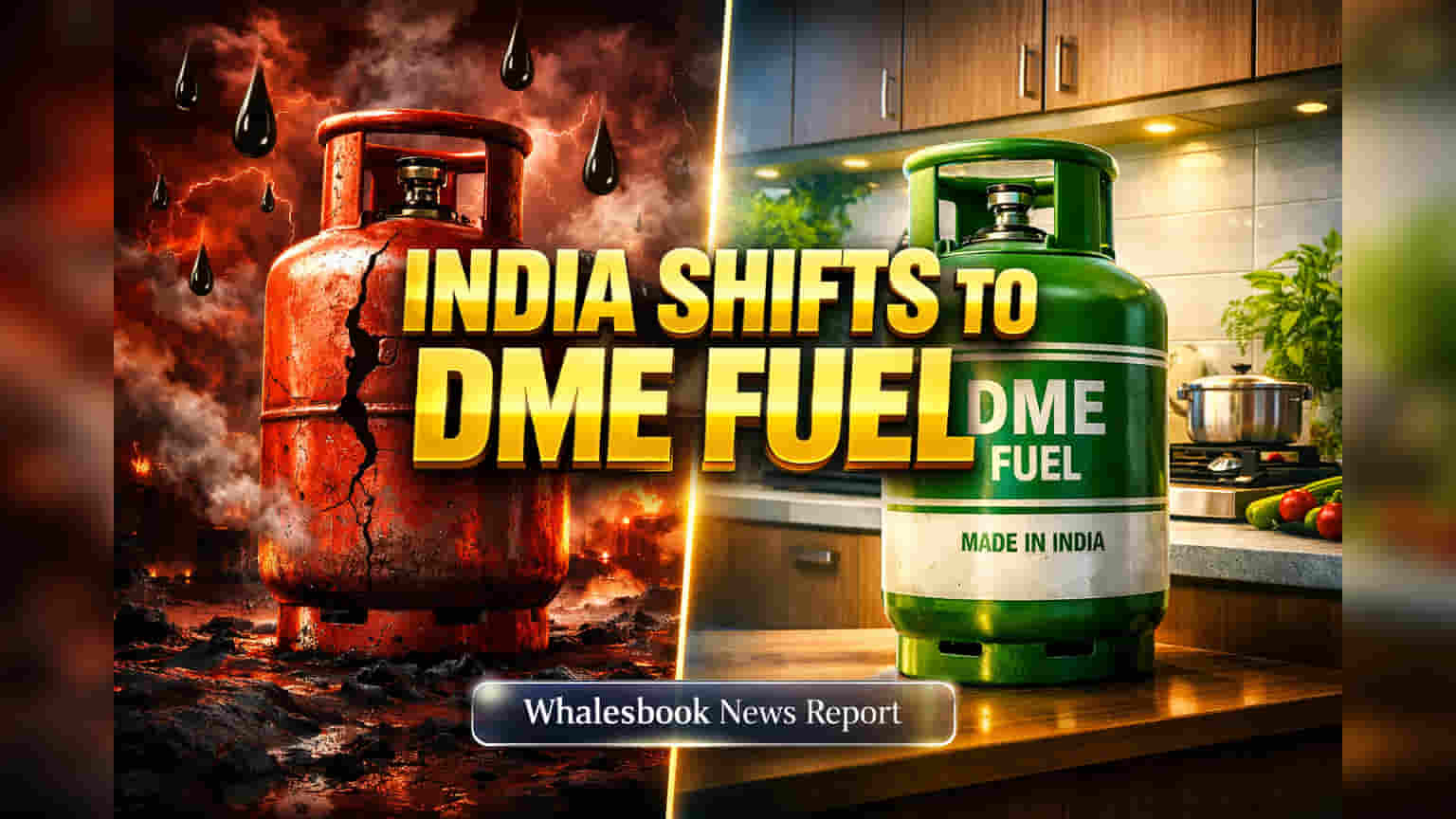


Why India is Rushing DME
India is fast-tracking the development of dimethyl ether (DME) as a domestic alternative to Liquefied Petroleum Gas (LPG). This push comes as escalating geopolitical tensions in the Middle East disrupt global energy markets. Recent conflicts have caused significant price jumps and supply worries for LPG, a vital cooking fuel for millions in India. Scientists at the CSIR-National Chemical Laboratory (NCL) in Pune are working to scale up its DME pilot plant. This initiative aims to bolster India's energy security and shield the country from global market volatility. India's increased LPG imports are already adding pressure on supply and prices.
Diversifying the Energy Mix
Developing DME fits India's wider strategy to diversify its energy sources and cut import reliance, with the country currently importing about 88% of its crude oil and 68-70% of its natural gas. CSIR-NCL's patented technology uses a homegrown catalyst for efficient methanol-to-DME conversion. This allows India to use domestic feedstocks like coal, biomass, or captured carbon dioxide for DME production, boosting self-reliance. The Bureau of Indian Standards (BIS) has approved IS 18698:2024, allowing up to 20% DME to be blended with LPG. No changes to existing infrastructure are needed for blends up to 8%. This compatibility is key, making it easier for DME to be adopted. Scientists estimate that replacing 8% of LPG consumption with DME could save India approximately ₹9,500 crore in foreign exchange annually. Globally, the DME market is expected to grow, led by Asia Pacific's demand for cleaner fuels. India is set to become a major contributor to this market. Companies like Godavari Biorefineries and ICT Mumbai are also testing CO₂-to-DME projects, supporting India's decarbonisation and circular economy goals.
India's Energy Evolution
India has a history of shifting its energy sources through policy, moving from traditional fuels to kerosene, and then to LPG. The current drive for DME marks a move towards lower-carbon fuels beyond fossil fuels, though finding suitable, convenient, and affordable substitutes remains a challenge. Previous government schemes like the Pradhan Mantri Ujjwala Yojana expanded LPG access, which in turn increased demand and reliance on imports. The current geopolitical climate makes a strategic shift to alternatives like DME essential to avoid future supply shocks.
Challenges Ahead
Cost and Supply Hurdles
While DME shows promise, its production costs are a key factor. The main feedstock, methanol, is largely imported by India from Iran and Saudi Arabia, where it's produced from abundant natural gas. Developing domestic routes to produce methanol from coal or DME from biomass would boost self-reliance but faces hurdles. The cost of domestic methanol from coal might not match global prices, potentially making DME less competitive against subsidized LPG. Additionally, the growing global DME market relies heavily on natural gas as a feedstock, which is also subject to price swings and geopolitical risks. Scaling up DME production will demand significant investment in new infrastructure and feedstock processing.
Adoption and Infrastructure Issues
Despite BIS standards permitting DME blending, widespread adoption depends on developing commercial-scale production and gaining consumer acceptance. Moving from pilot plants to industrial-scale facilities, like CSIR-NCL's planned 2.5-tonne-per-day plant, requires significant time and investment. Ensuring consistent quality and supply across all regions, especially remote ones, presents a logistical challenge. While 8% blending needs no infrastructure changes, higher blends or full DME use could require specialized burners or modifications. This might increase consumer costs or need more government incentives.