

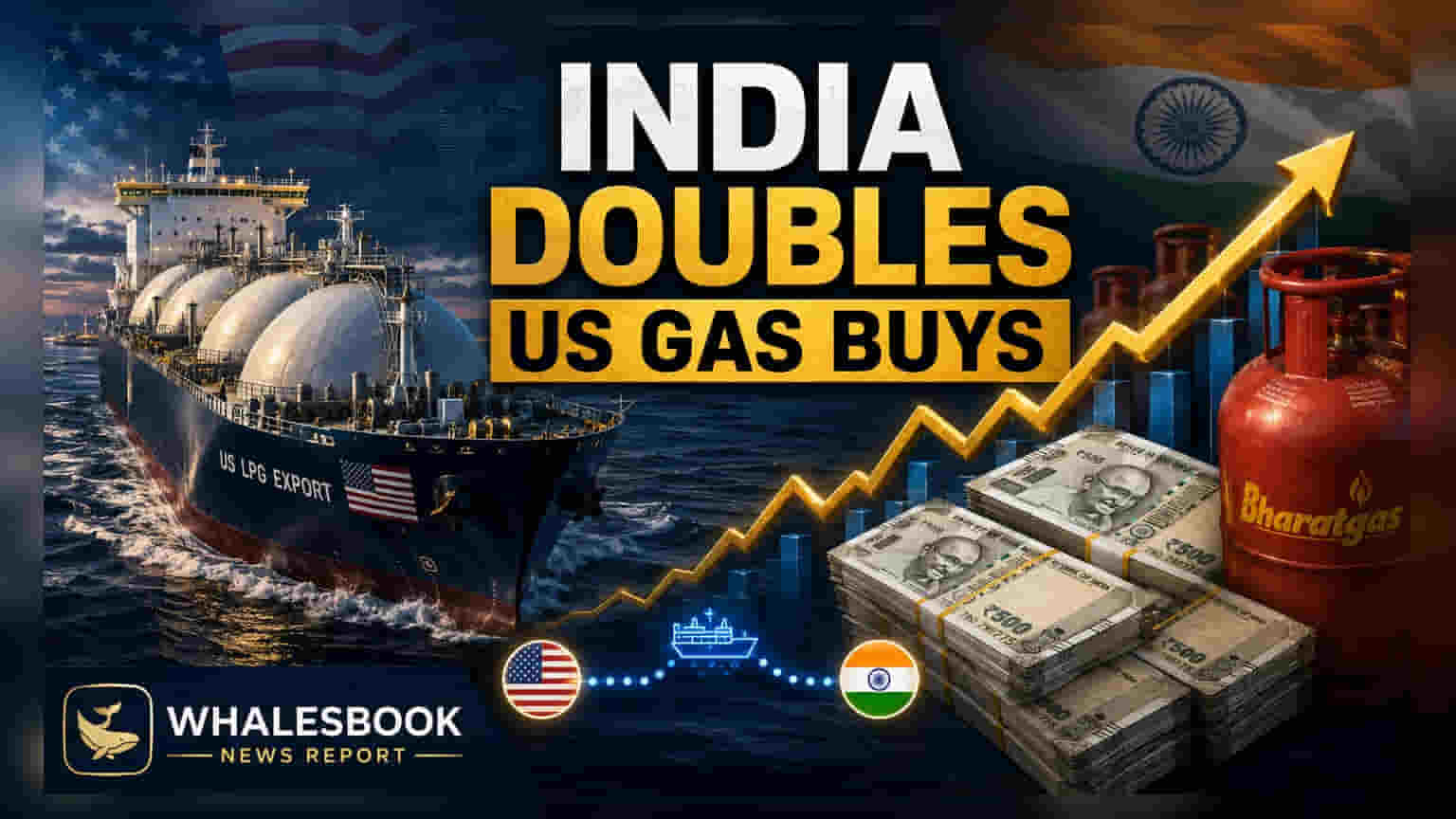
India is working to double its annual LPG imports from the United States to reduce heavy reliance on traditional Gulf suppliers. This shift follows recent supply chain disruptions in West Asia and aims to help build a 30-day strategic reserve for domestic fuel security.
India is shifting its energy procurement strategy by targeting a significant increase in Liquefied Petroleum Gas (LPG) imports from the United States. While the country currently imports roughly 2.2 million tonnes of LPG from the U.S. annually, officials are exploring plans to double this volume. This move is part of a broader government effort to diversify energy sourcing and protect the domestic market from supply shocks caused by regional instability in the Persian Gulf.
The push for diversification gained momentum after recent geopolitical tensions in West Asia created uncertainty for shipping routes through the Strait of Hormuz. India’s energy security is heavily dependent on these routes, and past supply delays forced oil companies to seek alternative options. During the recent crisis, the U.S. emerged as a reliable partner, with its share of India’s total LPG imports climbing to 65% in June 2026, compared to less than 8% in 2025. By securing a larger, long-term commitment from U.S. exporters, India hopes to stabilize its supply chain and reduce the risk of future shortages.
Building Strategic LPG Reserves
Beyond just diversifying sources, the Ministry of Petroleum and Natural Gas has directed Oil Marketing Companies (OMCs) to formulate a roadmap for creating a 30-day strategic LPG reserve. Currently, retailers manage a 45-day rolling stock to meet daily household and commercial demand. Adding a dedicated 30-day reserve would provide a buffer against sudden price hikes or shipping disruptions.
While diversifying into the U.S. market offers logistical benefits, it also introduces new dynamics for India's OMCs. Purchasing from the U.S. typically involves longer shipping times and different pricing structures compared to imports from neighboring Gulf countries. Investors should monitor how these increased logistics and procurement costs impact the profit margins of major state-owned oil marketing companies, such as Indian Oil Corporation (IOC), Bharat Petroleum Corporation (BPCL), and Hindustan Petroleum Corporation (HPCL).
Market and Supply Chain Implications
This strategic pivot is not limited to the United States alone. India has also begun evaluating potential supplies from Nigeria, Argentina, and Malaysia to create a more resilient energy basket. For the domestic energy sector, the key monitorable remains the balance between energy security and costs. If global shipping costs or U.S. natural gas prices rise, the cost of these imports could fluctuate, potentially affecting the subsidy burden or retail pricing models for LPG in India. Moving forward, the progress of this 30-day reserve project and the finalization of new long-term contracts with U.S. suppliers will be the primary factors determining the success of this diversification strategy.