

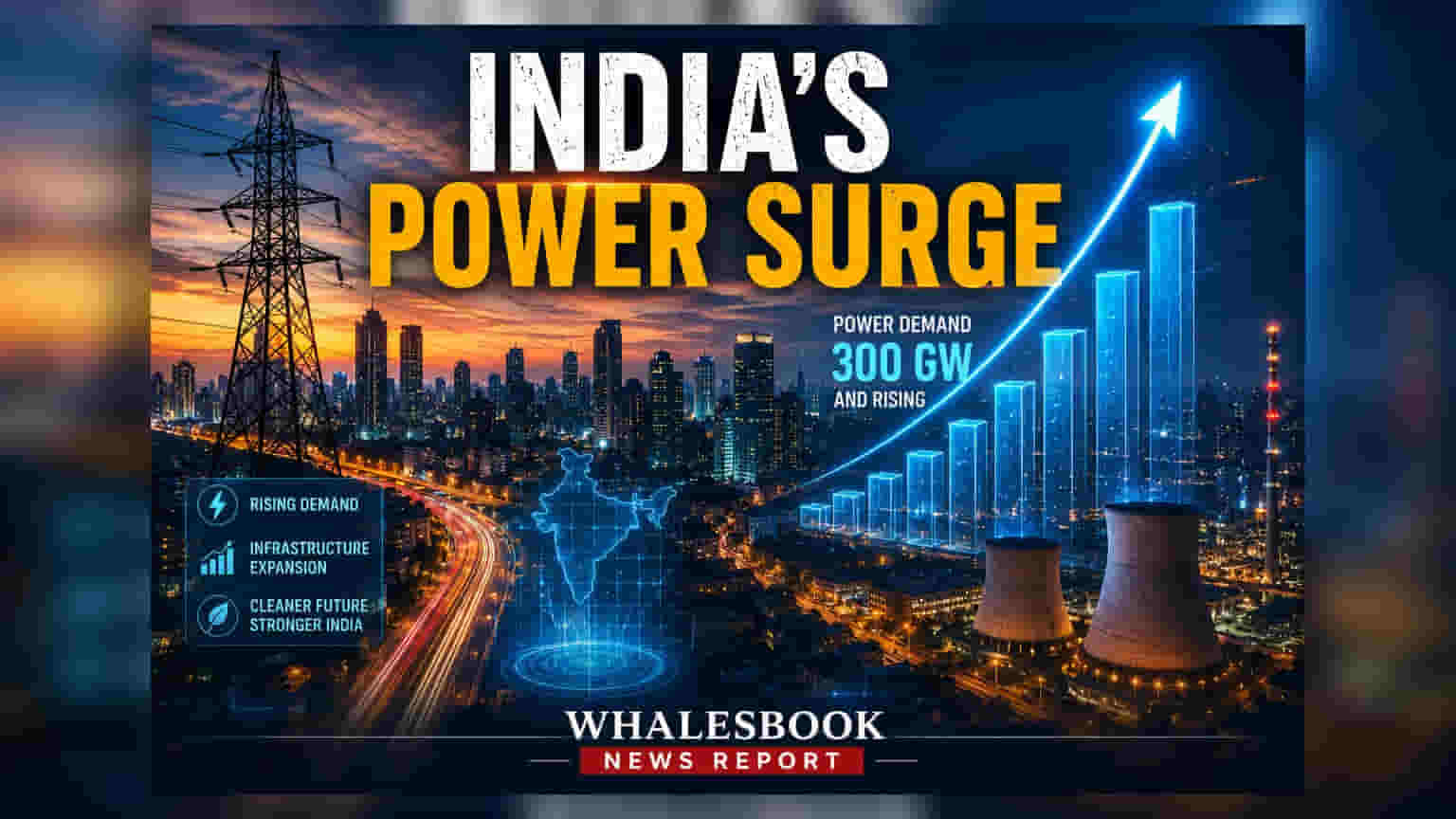
India’s peak electricity demand is expected to reach 300 GW next year, up from the record 270.82 GW seen in May 2026. This growth is driven by rising energy needs from data centers, artificial intelligence, and electric vehicles. To manage this load, the government is prioritizing energy storage solutions and expanding renewable energy infrastructure.
India’s power sector is bracing for a new peak demand of 300 gigawatts (GW) in the coming year, according to official statements made by Power Minister Manohar Lal. This target follows a record high peak demand of 270.82 GW recorded in May 2026. The surge is being fueled by structural shifts in the economy, specifically the rapid expansion of energy-intensive sectors like data centers, AI infrastructure, and the growing electric vehicle (EV) segment.
While the current installed capacity of approximately 284 GW has managed to handle recent peaks, the projected jump to 300 GW highlights the need for significant infrastructure improvements. Investors in the power and utility sector are watching how the government balances this rapid capacity growth with the transition toward cleaner, non-fossil fuel sources. Over the last ten years, India has increased its non-fossil fuel capacity from 81 GW to 291 GW, reflecting a massive shift in how the nation generates electricity.
The Strategic Role of Energy Storage
As the share of renewable energy—which is naturally intermittent—increases in the power mix, grid stability has become a top priority. Minister Lal emphasized that energy storage is now a national necessity to ensure that power generated from solar and wind can be used reliably even when generation is low. This shift from immediate consumption to a storage-based model is expected to create opportunities for companies involved in battery manufacturing, system integration, and power grid infrastructure.
Recent data suggests that Battery Energy Storage System (BESS) capacity has seen an eleven-fold increase this year, signaling that private and public investment is already flowing into these technologies. Beyond domestic storage, India is also looking at long-term projects to integrate its power grid with international markets. This includes ambitious plans for transnational green energy corridors, such as a proposed undersea cable to the UAE estimated at ₹40,000 crore, as well as potential grid links with Sri Lanka, Singapore, and Europe.
Sector Challenges and Monitorables
While the demand outlook is strong, the sector faces several structural risks. The heavy reliance on 'Make in India' initiatives for critical components like solar cells and batteries means that companies must manage supply chain risks and execution timelines for new capacity. Additionally, large-scale projects like cross-border energy corridors require significant capital, which can put pressure on balance sheets if not managed with long-term funding strategies. Investors should track how the government’s push for indigenization affects the cost structure and profit margins for domestic energy players. The ability of distribution companies to manage rising procurement costs while maintaining grid stability will remain a critical factor for the financial health of the sector in the coming months.