 Whalesbook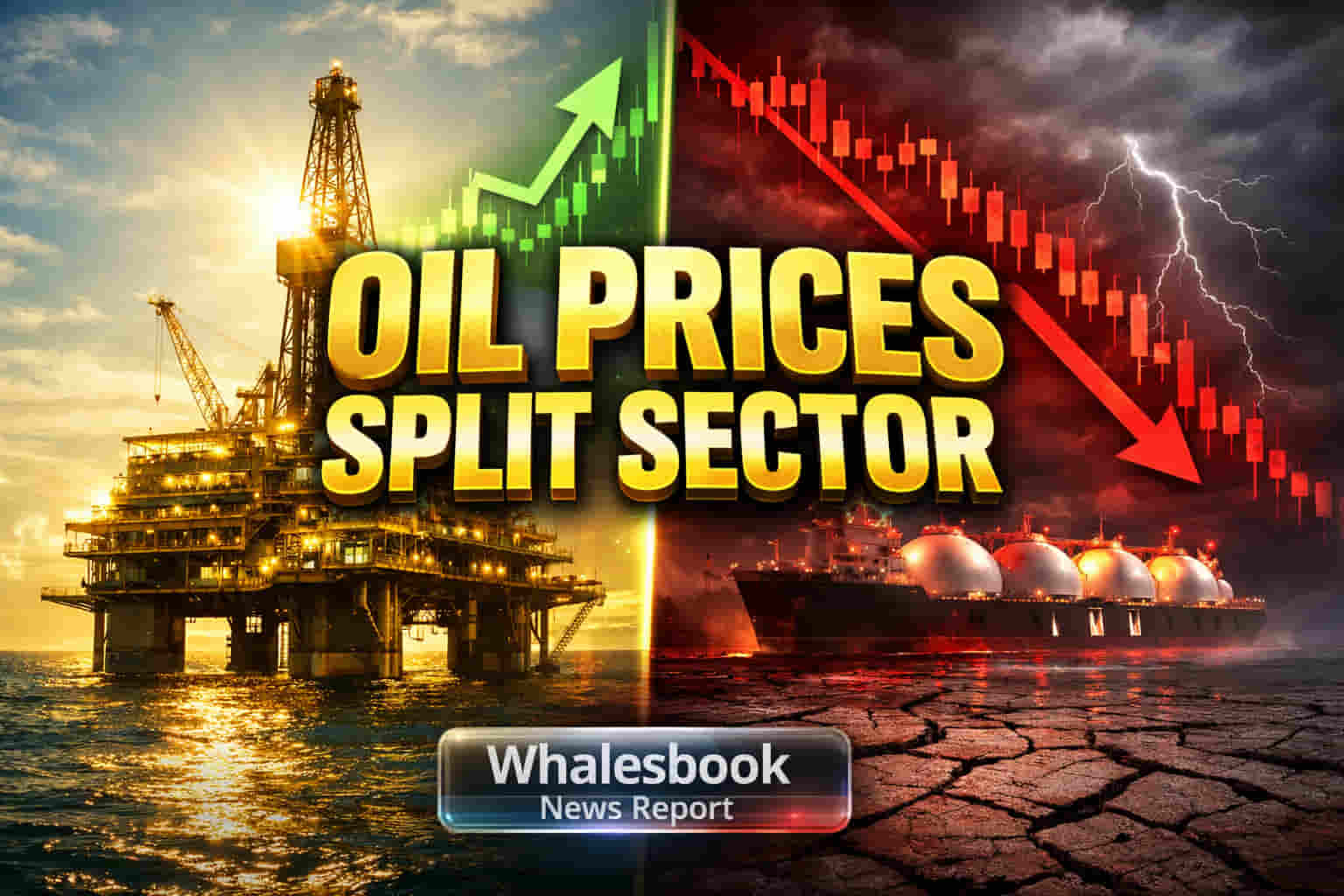


THE SEAMLESS LINK
This stark split in fortunes highlights a critical bifurcation within India's energy market. While upstream producers navigate a predictable revenue stream, the operational environment for downstream and city gas distribution entities is increasingly constrained by escalating input expenses, setting the stage for distinct investment theses across the sector.
Upstream Stability and Tax Shield
Companies like Oil and Natural Gas Corporation (ONGC) and Oil India are benefiting from crude oil prices that remain anchored around the $75 per barrel mark. This price equilibrium is crucial, as it negates the immediate threat of punitive windfall taxes. Such taxes, implemented by the Indian government previously when crude prices surged, can significantly dent profitability for producers. ONGC, with a market capitalization of approximately ₹2.5 trillion and a P/E ratio of around 10.5x, operates with a predictable revenue model under these conditions. Oil India, valued at roughly ₹0.8 trillion with a P/E of 12.2x, also finds its exploration and production activities less exposed to sudden fiscal interventions. Historically, this price band has allowed upstream players to maintain steady stock performance and operational planning without the overhang of adverse government levies.
Downstream Margin Squeeze
In contrast, Hindustan Petroleum Corporation Ltd (HPCL) and Bharat Petroleum Corporation Ltd (BPCL), alongside city gas distribution (CGD) companies, are grappling with substantial cost headwinds. The primary driver is the rising cost of liquified natural gas (LNG), a critical feedstock and fuel source for these operations. Analysts highlight that the difficulty in passing these inflated costs directly to consumers, due to contractual constraints and pricing regulations, is squeezing profit margins. HPCL, with a market cap of about ₹0.6 trillion and an 8.8x P/E, and BPCL, valued at approximately ₹1.2 trillion with an 11.5x P/E, face this challenge. The historical performance of downstream entities has often mirrored the volatility of refining margins and input costs, with stock prices reflecting the pressure to absorb these expenses.
Sectoral Dynamics and Macro Winds
The broader Indian energy sector is poised for robust demand growth, driven by a expanding economy, yet faces a bifurcated operational reality. While global crude price stability supports the upstream segment and its fiscal predictability, the downstream segment's earnings are increasingly tied to volatile energy input costs like LNG. Brokerage reports indicate a preference for upstream due to its clearer outlook, with 'Hold' or 'Sell' ratings more common for downstream and CGD players due to margin sustainability concerns. The government's policy stance, particularly its approach to windfall taxes, acts as a key determinant for upstream profitability, offering a degree of regulatory certainty when prices are stable but posing a risk if they spike dramatically.
The Forensic Bear Case
For downstream companies and city gas distributors, the persistent escalation of LNG prices presents a significant risk of sustained margin erosion. Inability to fully pass on costs could lead to depressed profitability and hinder investment in expansion. Competition within the CGD segment, coupled with regulatory oversight on pricing, exacerbates this vulnerability. While upstream companies are shielded from immediate windfall taxes, they remain exposed to the risk of a sharp, sustained rise in global crude prices, which could trigger renewed government levies. Furthermore, any significant slowdown in global or domestic economic activity could dampen overall energy demand, impacting volumes for both upstream and downstream operators. Unlike some global peers, Indian state-owned entities like ONGC and BPCL operate within a specific regulatory and fiscal framework that can influence their flexibility.
Future Outlook
Despite near-term challenges for downstream operators, the long-term outlook for India's energy sector remains constructive, underpinned by projected demand growth. Analyst Probal Sen's positive long-term view suggests that once current input cost pressures for downstream entities subside, their valuations could recover. The sector's trajectory will likely be shaped by the interplay of global commodity prices, domestic demand, and evolving government policies aimed at balancing economic growth with energy security.