

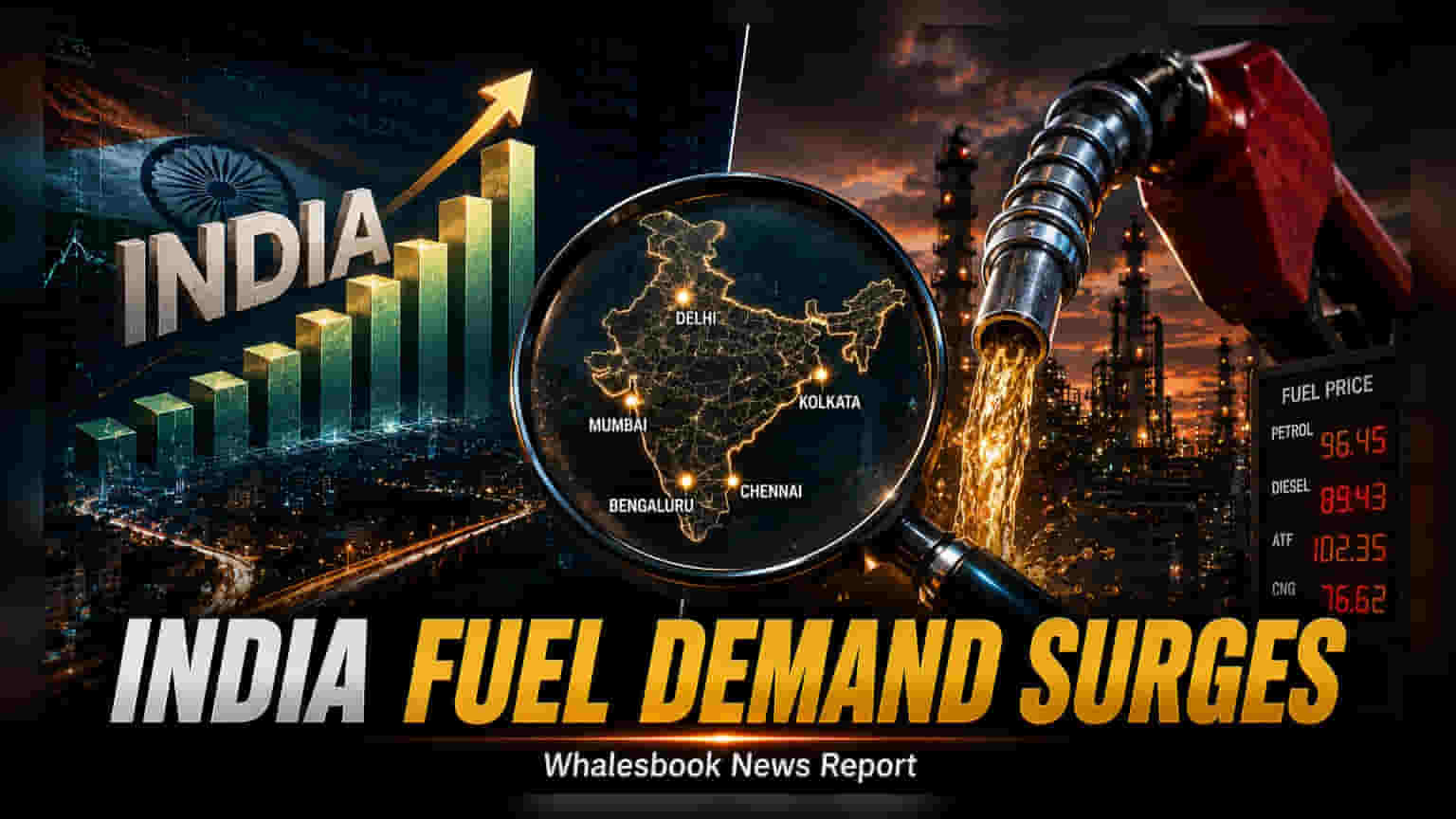
India's total fuel demand rose to 19.92 million metric tons in July 2026, driven by strong petrol and diesel consumption. While transport fuel sales climbed, demand for LPG and naphtha fell sharply due to industrial shifts. Investors are monitoring how these varying demand trends affect the profit margins of major oil marketing companies.
India’s appetite for fuel showed resilience in July 2026, with total consumption rising 2.9% year-on-year to reach 19.92 million metric tons. This growth was primarily fueled by the transportation sector, reflecting sustained economic activity across the country. Data indicates that gasoline, or petrol, saw a 9.2% increase in sales, while diesel—the backbone of India’s freight and industrial sectors—recorded a robust 10.0% jump.
Analysts attribute the strength in diesel demand partly to a delayed monsoon pattern, which led to increased use of diesel-powered pumps for agricultural irrigation, a factor that helped offset typical seasonal moderation. Additionally, increased commercial activity and freight movement have continued to support high volumes for transport fuels, which is generally a positive signal for major oil marketing companies like Indian Oil Corporation, Bharat Petroleum, and Hindustan Petroleum.
However, the overall demand landscape is not uniform. The data reveals a significant contraction in other segments. LPG, or cooking gas, sales fell by 16.4%, and naphtha demand declined by 13.8%. Industry experts point to a structural change behind these drops, with commercial and industrial users increasingly switching to Piped Natural Gas (PNG) to reduce costs and improve operational efficiency. This shift to gas-based alternatives is a trend investors often monitor, as it highlights long-term changes in the energy mix that could eventually impact the volume growth of traditional fuel retailers.
On the positive side, refiners are seeing benefits from global market conditions, with refined product exports reaching a one-year high in July. Strong diesel margins in international markets have provided a tailwind for domestic refiners. Yet, the sector remains exposed to external risks. Geopolitical instability in West Asia continues to threaten the supply chain for energy imports, creating potential volatility in crude oil prices.
Looking ahead, investors are likely to watch how these demand trends reconcile with global crude price movements. While transport fuel growth is supportive, the long-term earnings potential for oil retailers will depend on their ability to manage refining margins, navigate the ongoing shift toward electric vehicles and cleaner fuels like PNG, and manage potential government-led pricing adjustments. The next important update for shareholders will be the quarterly financial disclosures, where management commentary on inventory gains, refinery throughput, and marketing margins will provide further clarity on the sector's health.