 Whalesbook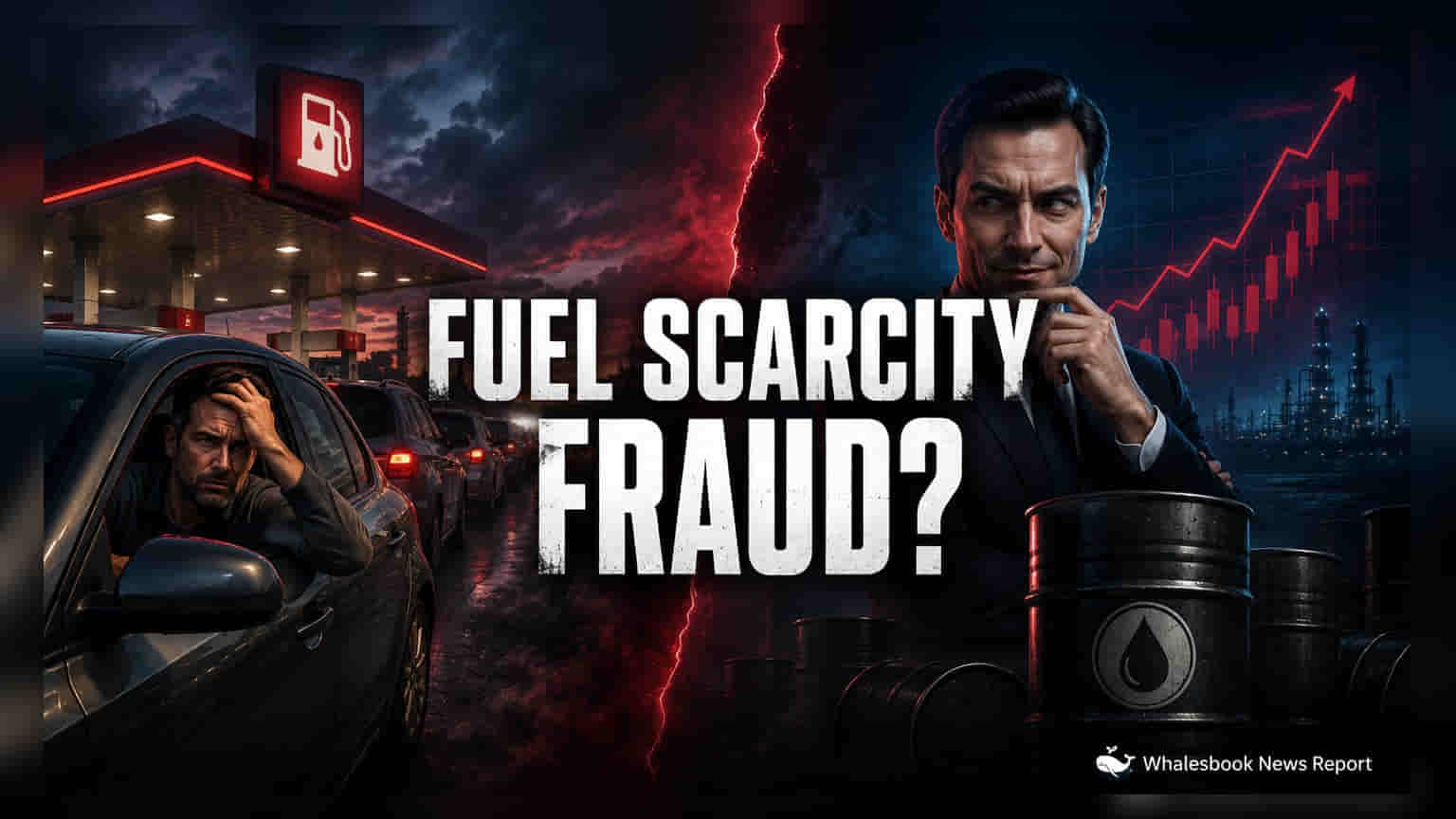


How Price Distortion Creates Shortages
The current fuel supply issues at retail stations stem from a pricing policy flaw, not a lack of fuel. Large industrial buyers are bypassing wholesale channels, which are priced according to international crude oil rates. Instead, they are buying directly from retail pumps to take advantage of the significant subsidies. This has turned many retail stations into unofficial distribution points, overwhelming local storage and logistics. The resulting stock-outs are a direct result of this price gap, as retailers face demand far exceeding normal levels.
State-Owned Companies Face Financial Strain
Public Sector Undertaking (PSU) oil marketing companies, including Indian Oil Corporation, Bharat Petroleum, and Hindustan Petroleum, are effectively subsidizing not only everyday consumers but also corporate buyers. They are absorbing an estimated daily loss of ₹550 crore, which is significantly hurting their profit margins. This burden is compounded as private oil companies have seen their diesel sales drop by about 38% because customers are moving to the cheaper PSU network. The financial viability of this approach is under close examination, as the difference between capped retail prices and global energy costs is not expected to shrink soon.
Risks for State Energy Companies
When the government relies on administrative actions, like using enforcement squads under the Essential Commodities Act, it signals a weak regulatory environment. Such measures often fail to fix problems when market price signals are so distorted. Moreover, forcing PSU oil companies to absorb large losses limits their spending on essential upgrades for refineries and infrastructure maintenance. If global crude prices remain high or rise due to international events, these mounting losses could lead to reduced dividend payments or require increased government borrowing to cover budget shortfalls. Private competitors, unable to sustain deep price cuts, are losing market share until prices become balanced across all distribution channels.
Market Outlook and Government Action
For domestic fuel availability to stabilize, the government must reduce the price difference between bulk and retail fuel without causing wider inflation. While officials state that total fuel stocks are adequate, the operational issues caused by buyers exploiting price differences remain high. Institutional investors are watching for policy changes that would allow oil companies to pass on costs more effectively. Without a clear system to stop this arbitrage, intermittent retail fuel shortages are likely to continue, impacting the investment outlook for state-linked energy companies.