

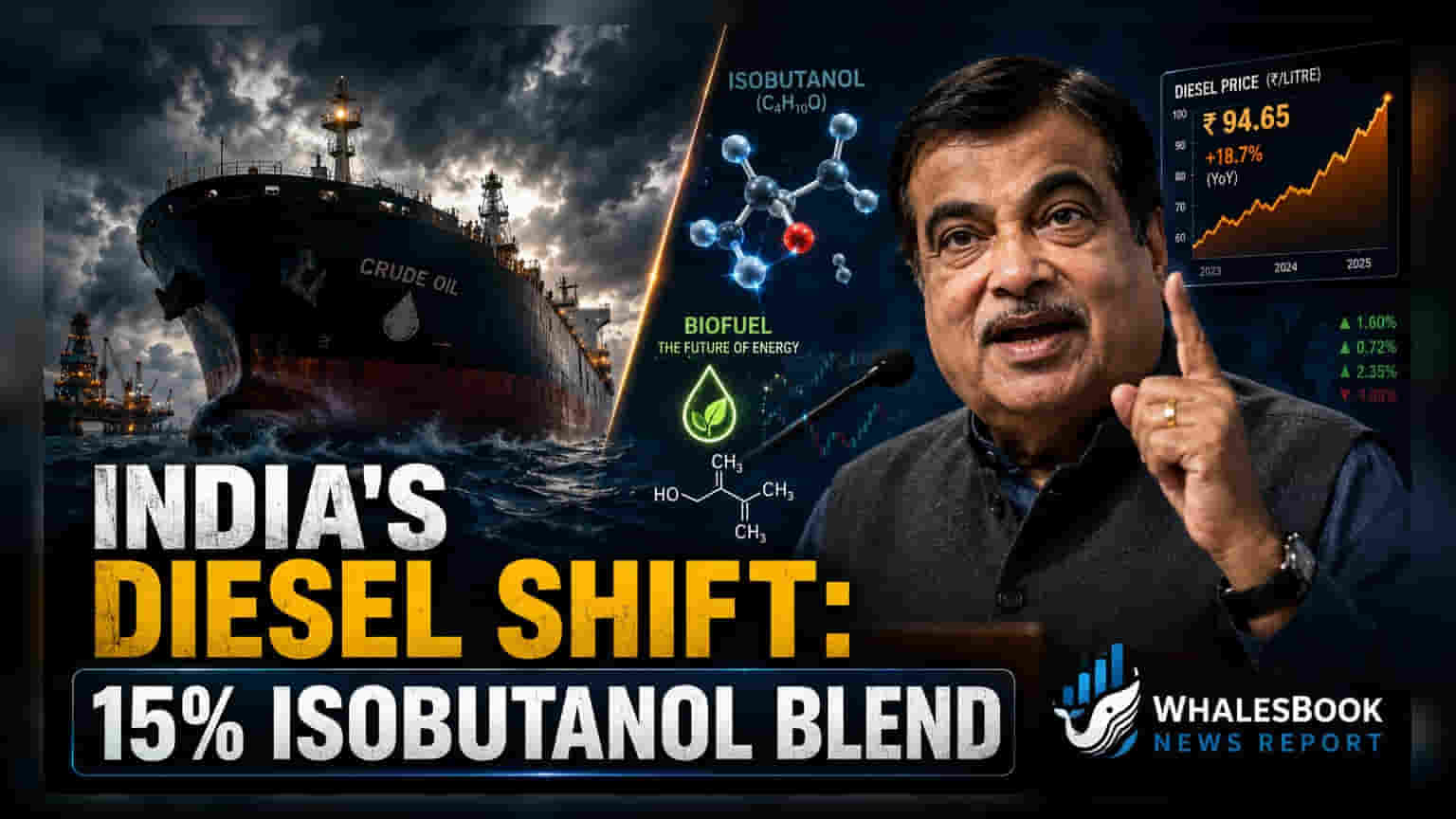
India plans to introduce a 15% isobutanol blend in diesel to reduce reliance on imported fossil fuels. Union Minister Nitin Gadkari confirmed the strategy, noting that isobutanol overcomes technical hurdles that prevent direct ethanol-diesel blending. This shift aims to lower the national oil import bill while boosting domestic biofuel production.
The Indian government is moving to expand its alternative fuel strategy by targeting a 15% blend of isobutanol in diesel. Union Minister for Road Transport and Highways, Nitin Gadkari, recently detailed the plan, which serves as a critical step toward cutting India's massive crude oil import bill. While the country has seen rapid success with ethanol blending in petrol, diesel presents a unique technical challenge because ethanol cannot be mixed directly with it. Isobutanol, derived from ethanol, acts as a compatible substitute that can be blended with diesel to reduce fossil fuel consumption.
Why Isobutanol Matters for Fuel Strategy
Isobutanol is being positioned as a superior alternative to other biofuels due to its higher energy density and compatibility with existing diesel engine technology. Unlike some other options that might require major engine overhauls, isobutanol offers a more practical pathway for integration. Recent pilot projects, including the successful operation of generator sets on 100% ethanol and isobutanol, provide the scientific basis for these government plans. By moving toward a 15% mandate, the government aims to create a consistent domestic market for bio-based fuels, potentially supporting the agricultural sector which supplies the feedstock.
Context of the Biofuel Expansion
This announcement follows the government's successful implementation of the E20 petrol program, where India reached its 20% ethanol blending target ahead of the original deadline. The Ministry of Petroleum and Natural Gas recently clarified the benefits of this program, countering concerns regarding vehicle engine health and water usage. The success of E20 has provided the government with the confidence to extend similar strategies to the diesel segment, which remains the largest component of India's fuel consumption.
Key Monitorables for Investors
For investors and market participants, the transition to isobutanol introduces several areas to track. First, the success of this initiative will depend on the scaling of production infrastructure for isobutanol. Companies involved in distillery, sugar, and biofuel technologies may see a shift in order books as the government formalizes the 15% blending mandate. Furthermore, while the plan aims to reduce import costs, the ultimate impact on profit margins for oil marketing companies and biofuel producers will depend on the pricing formula set by the government for these alternative fuels. Investors should watch for official policy notifications and tender schedules, which will clarify the timeline for commercial implementation and the level of investment required in blending infrastructure.