

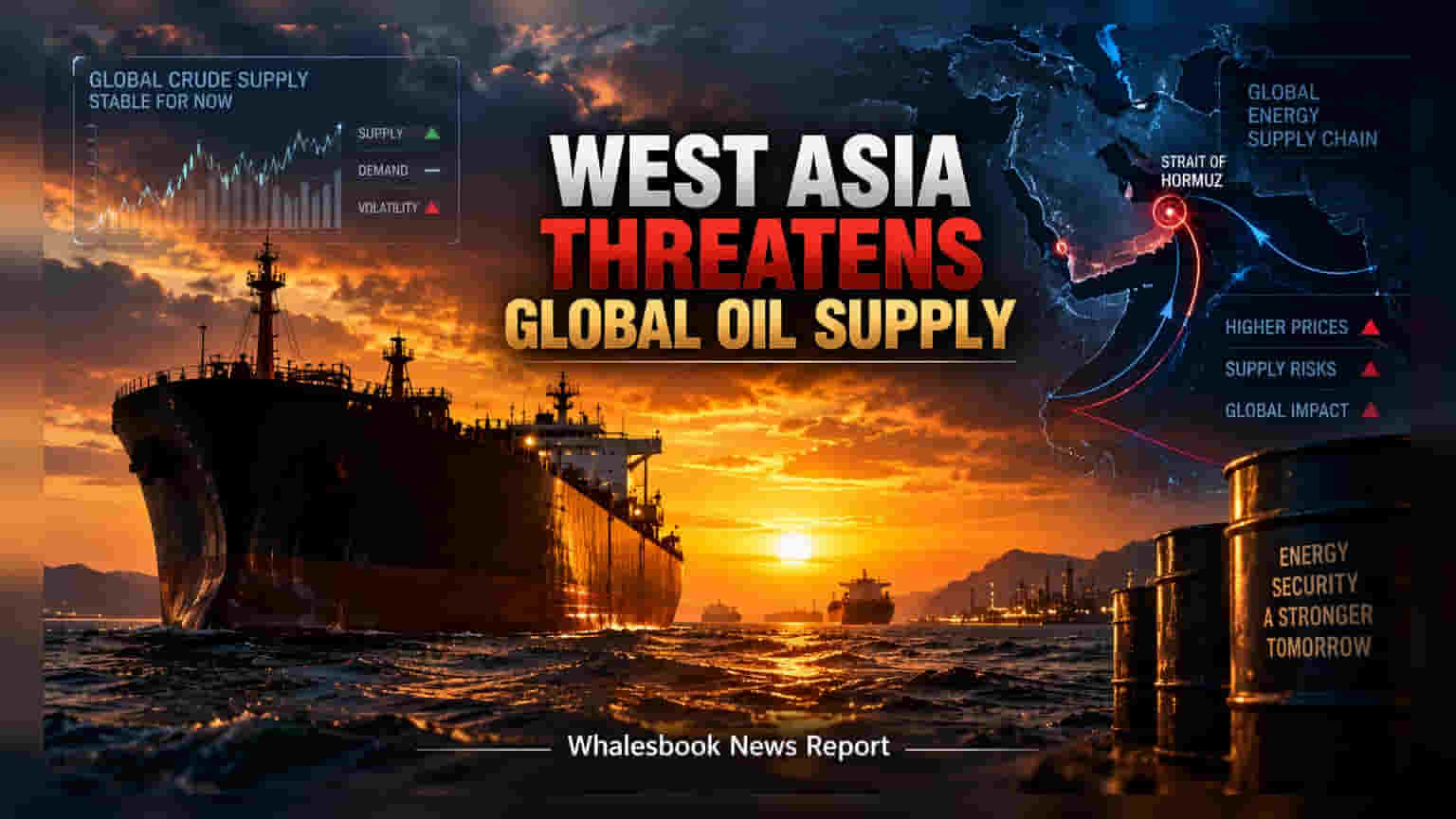
Oil Minister Hardeep Singh Puri has warned that rising West Asian tensions threaten global energy logistics. To secure energy, India has expanded its crude procurement partners from 27 to 41 countries and is prioritizing refinery capacity growth. Investors may track how global price volatility and domestic refinery expansion plans influence the margins of state-run oil marketing companies.
Oil Minister Hardeep Singh Puri has issued a warning regarding the deepening volatility in West Asia, noting that the ongoing conflict threatens the stability of global energy logistics. While the Minister emphasized that current global crude production remains sufficient to meet demand, the potential for supply chain disruptions in the region poses a significant risk to major energy importers, including India.
India imports over 85% of its crude oil requirements, making the economy highly sensitive to disruptions in key transit routes such as the Strait of Hormuz. Any significant escalation in geopolitical tensions can lead to sudden price spikes, which historically put pressure on domestic inflation and the country's import bill.
Strategic Shift to 41 Procurement Sources
To build resilience against these regional dependencies, the Indian government has aggressively moved to diversify its crude oil supply chain. The number of countries from which India procures crude has increased from 27 to 41. This expansion is designed to insulate the domestic market from localized supply shocks.
Alongside supply diversification, the country is focusing on its refining infrastructure. Current domestic capacity stands between 260 and 261 million metric tonnes per annum (mtpa). This large infrastructure footprint has previously proven effective during supply crises, such as when domestic operators ramped up Liquefied Petroleum Gas (LPG) production from 34,000 tonnes per day to 54,000 tonnes per day to prevent retail-level shortages.
Investment and Industry Impact
The government is also aiming to attract long-term capital from the Middle East, with interests from key players in Saudi Arabia and the UAE in Indian refinery infrastructure. The strategy is to align these international investments with India's growing industrial energy appetite.
For investors, the key area of focus remains the financial health of Oil Marketing Companies (OMCs) like Indian Oil Corporation, Bharat Petroleum, and Hindustan Petroleum. These companies often face margin pressure during periods of high crude volatility if they are unable to fully pass on costs to consumers. While refining capacity expansion is a positive for long-term growth, the immediate risks relate to crude price fluctuations and the government's stance on fuel pricing.
Investors may monitor the progress of new refinery projects, government policies regarding fuel pricing, and how global crude price trends impact the profitability of these energy companies in the coming quarters.