

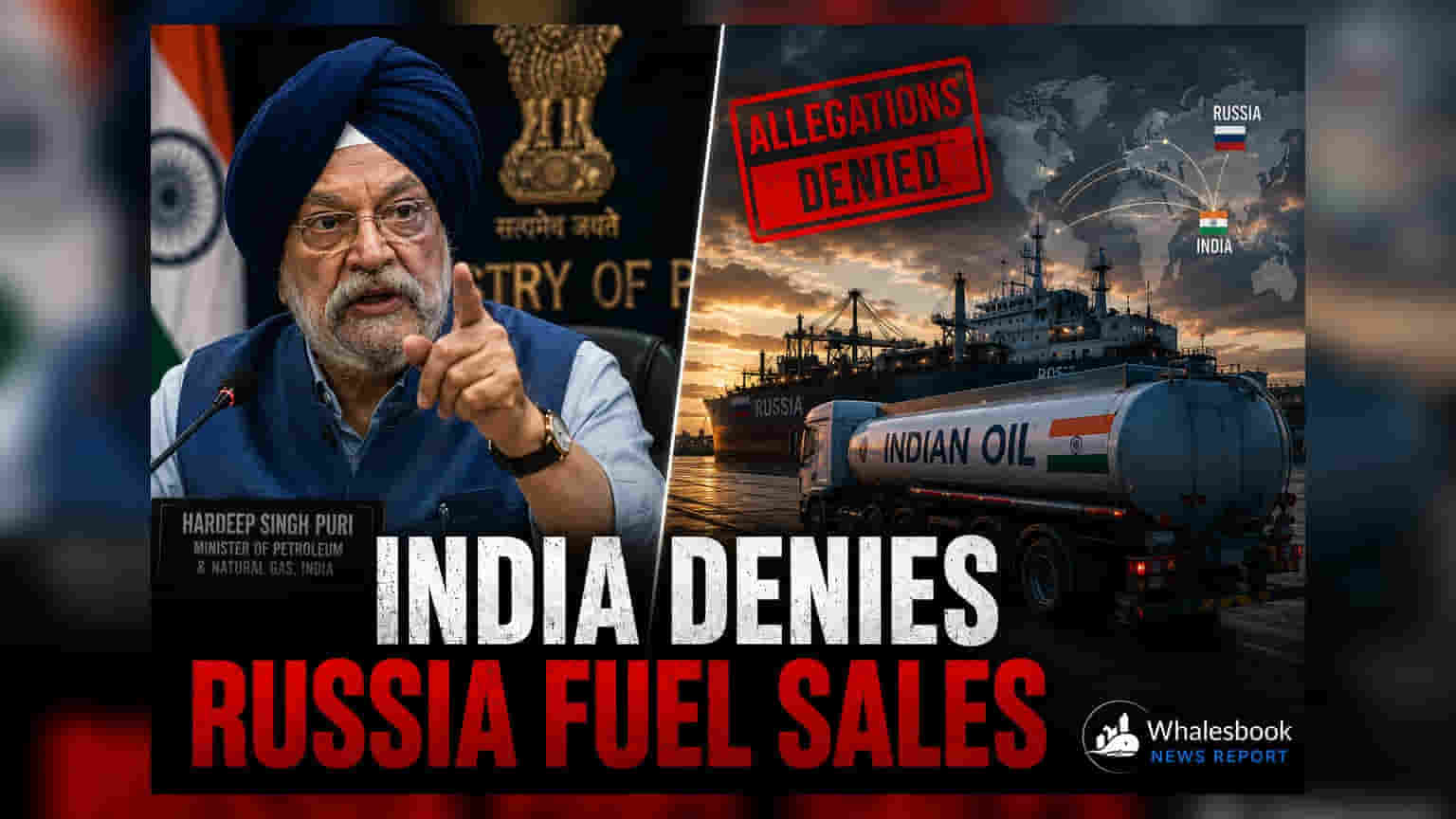
Union Oil Minister Hardeep Singh Puri has clarified that Indian companies are not directly exporting refined fuel to Russia. The statement addresses recent reports of Indian gasoline reaching Moscow, linking such transactions to independent third-party traders. Investors should note this distinction, as it helps Indian refiners navigate complex international sanctions without direct involvement.
What Happened
Union Oil Minister Hardeep Singh Puri has officially clarified the stance of Indian energy companies regarding fuel exports to Russia. On Thursday, the Minister stated that Indian firms are not engaging in direct sales of refined fuels, such as gasoline, to Russia. This statement was made to address recent reports suggesting that Russian domestic supply shortages were being met by imports of Indian-origin fuel. The Minister explained that if Indian-origin refined products are reaching Russia, such transactions are likely occurring through independent traders and intermediaries, rather than through official corporate or state-sanctioned channels.
The Role Of Independent Traders
The global energy market frequently relies on independent traders to move products across borders. These intermediaries purchase fuel from various sources, including Indian refineries, and then determine the final destination of the cargo. The Minister’s clarification highlights a critical operational detail: Indian refiners often sell to international buyers or traders without always controlling or monitoring the ultimate downstream delivery point. By clarifying that Indian companies are not directly involved in these sales, the government is emphasizing that any fuel movement to Russia is a product of third-party trade activity rather than a policy-driven export strategy.
Why Compliance Matters For Investors
For investors in Indian oil and gas companies, the distinction between direct and indirect trade is highly significant. Many nations have imposed strict sanctions on Russia due to the ongoing geopolitical situation, limiting direct trade. If Indian refiners were found to be directly violating these international restrictions, it could expose them to compliance risks, potentially affecting their ability to do business with global financial institutions, technology providers, or other major international partners. By maintaining that there are no direct exports, the Indian government is positioning the domestic energy sector to remain compliant with global trade standards, thereby protecting Indian companies from secondary sanctions or international scrutiny.
Potential Risks And Regulatory Scrutiny
While the government has clarified the situation, investors should remain aware that international scrutiny on Russian energy flows remains high. Even if transactions are executed through third-party traders, regulatory bodies and international observers continue to monitor trade data closely to ensure compliance with global sanctions. Any perceived shift in these trade patterns or increased regulatory pressure on the use of intermediaries could create volatility for companies with significant export exposure. Furthermore, geopolitical tensions can change quickly, and the operational freedom of independent traders to move fuel into restricted regions may be subject to future policy adjustments by global powers.
What Investors Should Track
Moving forward, the primary monitorables for investors in the oil and gas sector include official government commentary on trade policy and any changes in international sanction regimes. Investors should also watch for disclosures from major refining companies regarding their export markets and compliance frameworks. Ongoing trends in international gasoline pricing and global supply chain shifts will also remain key factors in assessing the operational stability of the sector.