

The government is evaluating a plan to mandate LNG terminal operators to build emergency storage capacity. Investment costs would be recovered through increased regasification tolls, which are currently between ₹65 and ₹80 per mmBtu. This move aims to improve energy security but could raise costs for industrial and household gas consumers.
India is currently evaluating a new energy security policy to establish emergency reserves of liquefied natural gas (LNG). The proposed framework shifts away from previous ideas, such as storing gas in depleted fields, which were found to be too expensive. Instead, the government is looking at a model where existing LNG terminal operators are required to build additional storage capacity at their own sites.
Impact of Increased Regasification Tolls
To fund this infrastructure, the government is considering allowing terminal operators to recover their capital spending through higher regasification tolls. These tolls are the fees charged by terminal owners to convert imported LNG back into its gaseous form for distribution. Currently, these fees typically range from ₹65 to ₹80 per mmBtu. If this plan moves forward, these higher costs are expected to be passed on to gas importers and, eventually, to the end consumers, including power plants, fertilizer manufacturers, and city gas networks.
Challenges for Terminal Utilization
While the mandate aims to secure energy supplies, it presents a significant challenge for existing infrastructure. Many LNG terminals in India already face issues with under-utilization, meaning they are not operating at their full design capacity. Industry analysts note that adding extra costs via higher tolls could further reduce demand for these terminals. If the cost of importing and regasifying gas becomes too expensive, industrial users may look for cheaper energy alternatives, which would put pressure on the overall demand for natural gas in the country.
Comparison with Strategic Oil Reserves
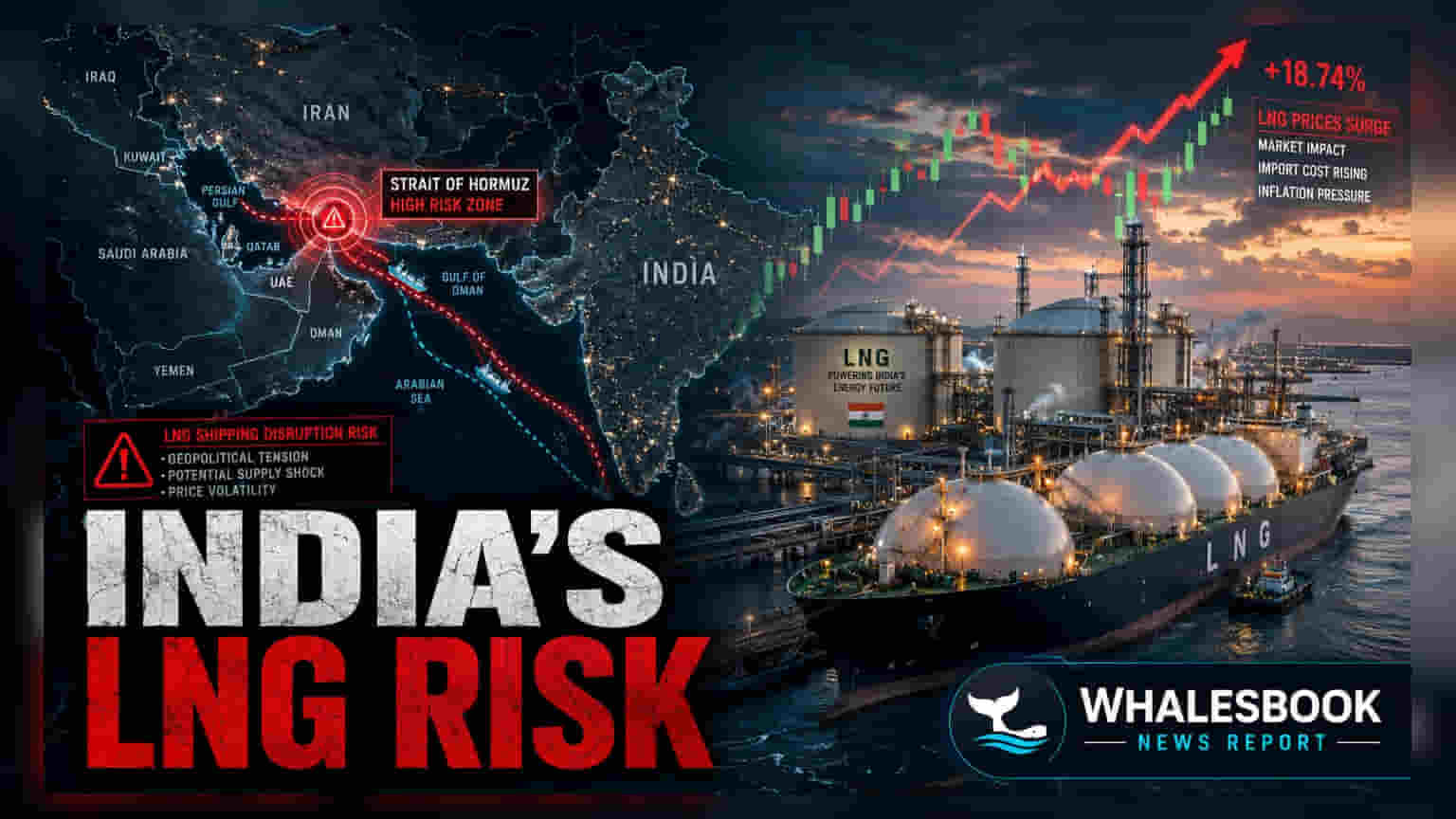
This approach draws a parallel to how India manages its strategic crude oil reserves. By involving private terminal operators and recovering costs through user fees, the government aims to build a buffer against supply chain disruptions, such as those caused by tensions near the Strait of Hormuz, without directly straining the national budget. Similar to the strategic petroleum reserve model, this is an attempt to create a buffer against geopolitical shocks. However, the financial success of this plan will rely on the ability of the domestic market to absorb higher gas prices without a sharp drop in consumption. Investors should track future government notifications regarding the final structure of these mandates, the impact on terminal operators' operating margins, and how gas-heavy sectors like power and fertilizer respond to the potential hike in input costs.