

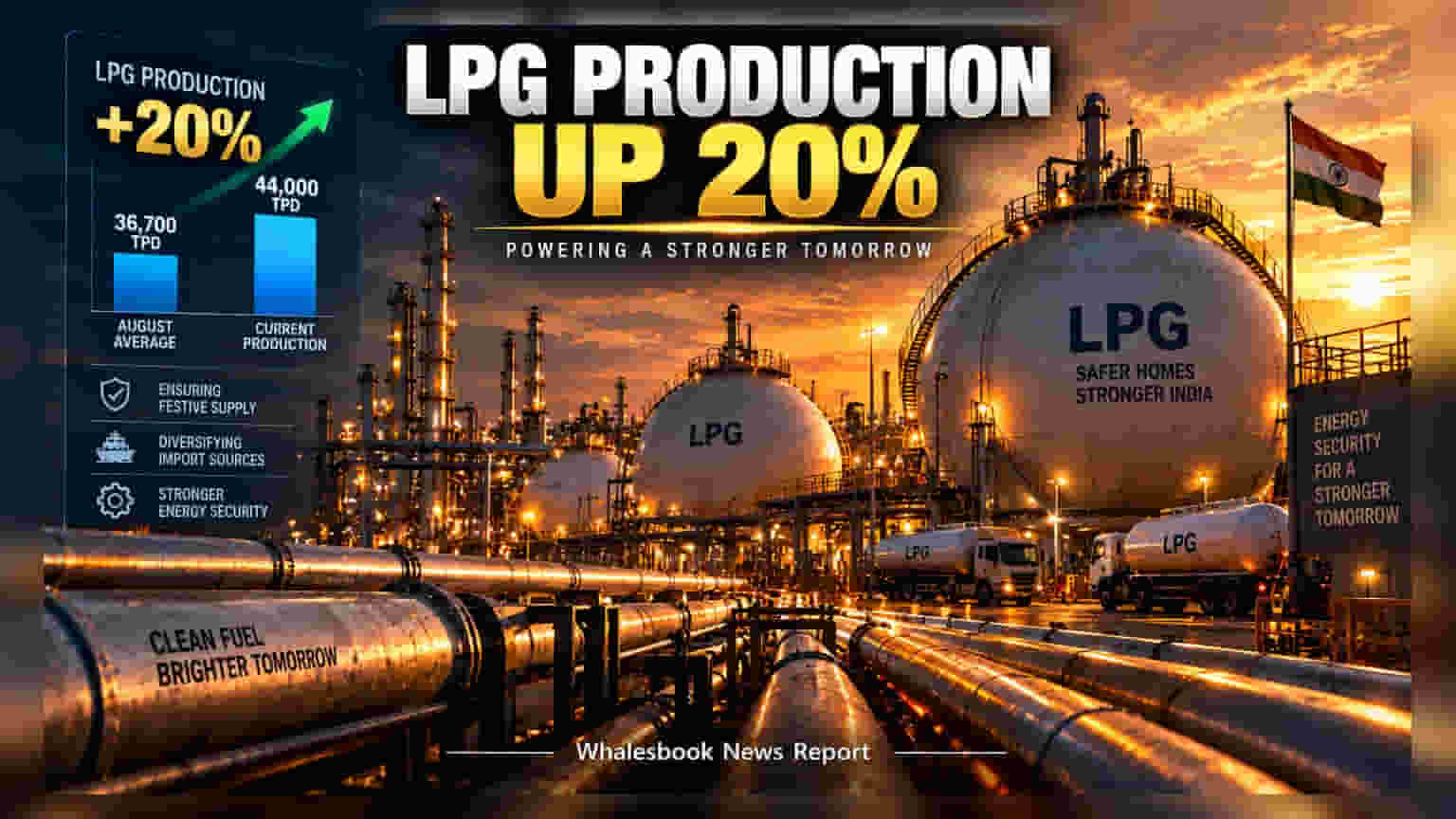
State-run refiners have hiked daily LPG production by 20% to 44,000 tons to secure supplies for the festive season. With Middle Eastern shipments facing transit hurdles, India is shifting toward long-term US import contracts. Investors are tracking how this supply diversification strategy may influence the import costs and margins of major Oil Marketing Companies like IOC, BPCL, and HPCL.
Indian state-owned refiners, including Indian Oil Corporation, Bharat Petroleum Corporation, and Hindustan Petroleum Corporation, have ramped up their daily production of liquefied petroleum gas to 44,000 tons. This move represents a 20% increase over the average output recorded in August and is aimed at ensuring consistent fuel availability as the festive season approaches, which typically sees a spike in demand for household gas.
Impact of Persian Gulf Logistics
The decision to boost domestic output follows supply chain disruptions in the Persian Gulf, a region that has historically been a primary source of India's energy imports. Recent transit difficulties have led to some cargo delays for major Indian oil companies, creating a potential gap in inventory levels. While major suppliers like Abu Dhabi National Oil Company have committed to meeting upcoming cargo requirements for October, the ongoing uncertainty in the region has prompted energy planners to rethink sourcing dependencies.
Strategic Shift Toward US Supplies
To reduce the risk of future supply shocks, India is finalizing plans to sign long-term supply agreements with US exporters. The goal is for these term contracts to cover up to 20% of the country’s annual LPG imports in the coming year. This marks a notable change in sourcing strategy, as the US share of India’s LPG imports has already grown from 6% last year to over 20%. By moving toward stable, long-term contracts, the government aims to insulate the domestic market from volatility in the Middle East trade routes.
Investor Perspective on Margins and Costs
For investors in Oil Marketing Companies, the primary monitorable remains the impact on profitability. While diversifying import sources enhances energy security, it also introduces variables related to import costs. LPG imports from the US involve longer shipping distances compared to the Middle East, which can influence freight costs and overall landing prices. Furthermore, India’s retail prices for domestic LPG remain regulated or influenced by government policy. Investors often track whether changes in procurement costs are fully reflected in retail pricing or if they lead to temporary margin pressure for refiners during periods of high price volatility.
As the festival season progresses, the key update for shareholders will be the outcome of the proposed tenders for US supply agreements and any subsequent commentary from management regarding the landed cost of these imports. Market participants will also watch whether the 44,000-ton daily production rate can be sustained throughout the winter months, when heating demand in various global markets often puts pressure on overall LPG supply and pricing.