

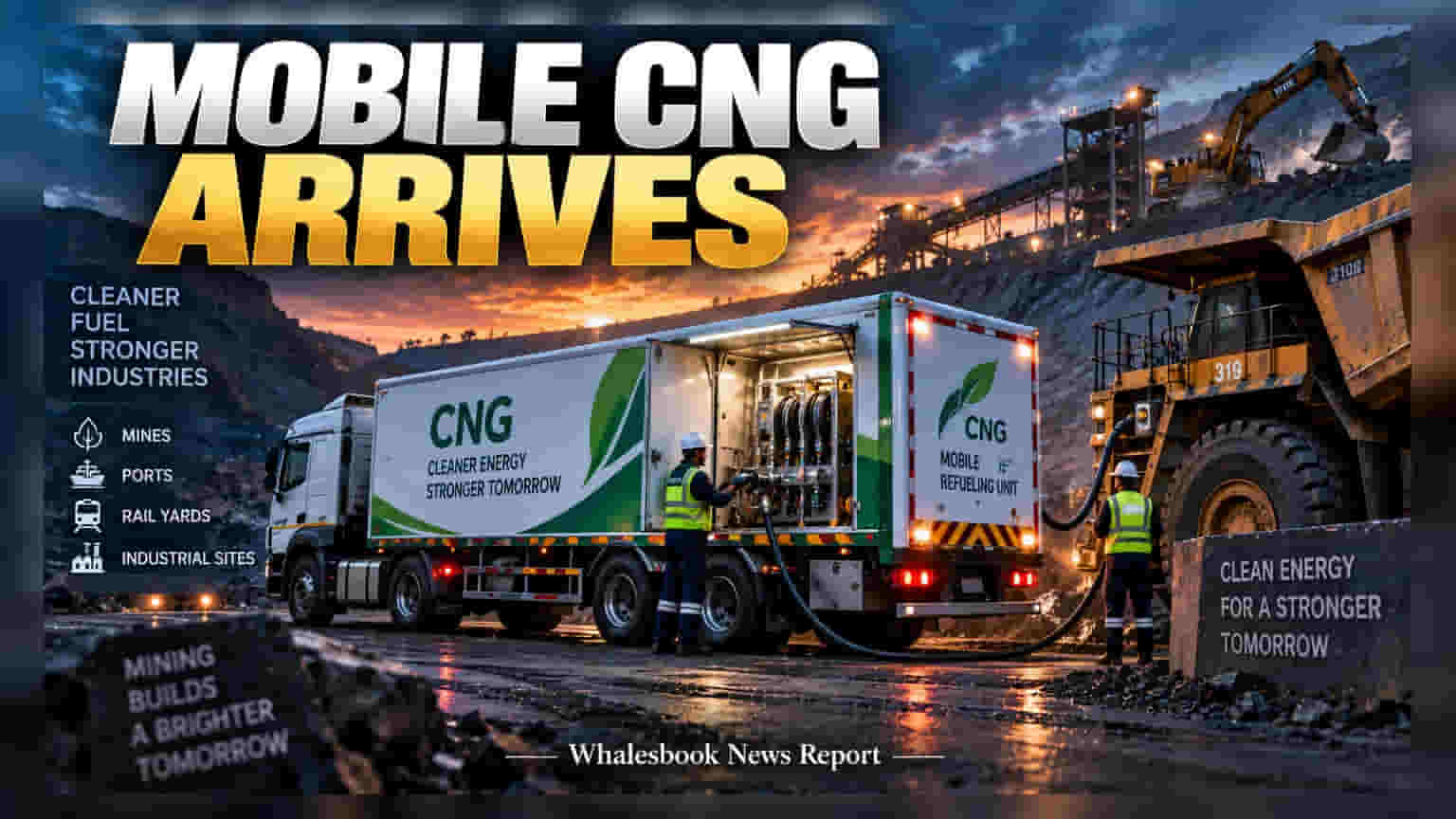
The Ministry of Petroleum has approved mobile refueling units for CNG and biogas, enabling direct supply to industrial sites like mines, ports, and rail yards. This policy allows city gas distributors to serve industrial customers without the high upfront cost of building permanent stations, potentially supporting growth in industrial gas sales.
The Ministry of Petroleum and Natural Gas has introduced new rules permitting the use of mobile refueling units for CNG and Compressed Biogas. This policy change allows gas distributors to transport fuel directly to heavy industrial sites, including mines, ports, rail yards, and inland waterways. This move is designed to help these large consumers, who operate heavy machinery and fleets, switch from diesel to cleaner fuel options without needing to be close to a fixed gas station.
For city gas distribution companies, this change solves a long-standing business problem. Previously, companies had to choose between investing in expensive, permanent filling stations with uncertain future demand or missing out on potential customers in remote industrial zones. With the introduction of mobile units, distributors can now aggregate demand at these captive sites without the heavy upfront capital spending required for full-scale infrastructure. This agility allows companies to test the potential of an industrial site and build a customer base before committing to long-term site construction.
However, the government has set strict boundaries on this operational flexibility. These mobile refueling units are strictly prohibited from being used for public retail or roadside dispensing. The rules mandate that these units must be owned and operated by authorized city gas distributors for the specific geographical area. Furthermore, the units must adhere to advanced safety protocols, including specialized storage, emergency shut-off valves, and a maximum operating pressure of 250 bar to ensure safe handling at work sites.
For investors, the key to this development will be the rate of adoption by major city gas distribution players. This move could improve sales volume by making CNG and biogas accessible to industries that were previously difficult to service. The financial impact will depend on whether this lowered barrier to entry successfully encourages more industrial clients to switch from diesel to gas. Investors may monitor the deployment timelines of mobile units by gas distributors and commentary on whether this new model provides a measurable lift to industrial gas volumes in upcoming quarters.