

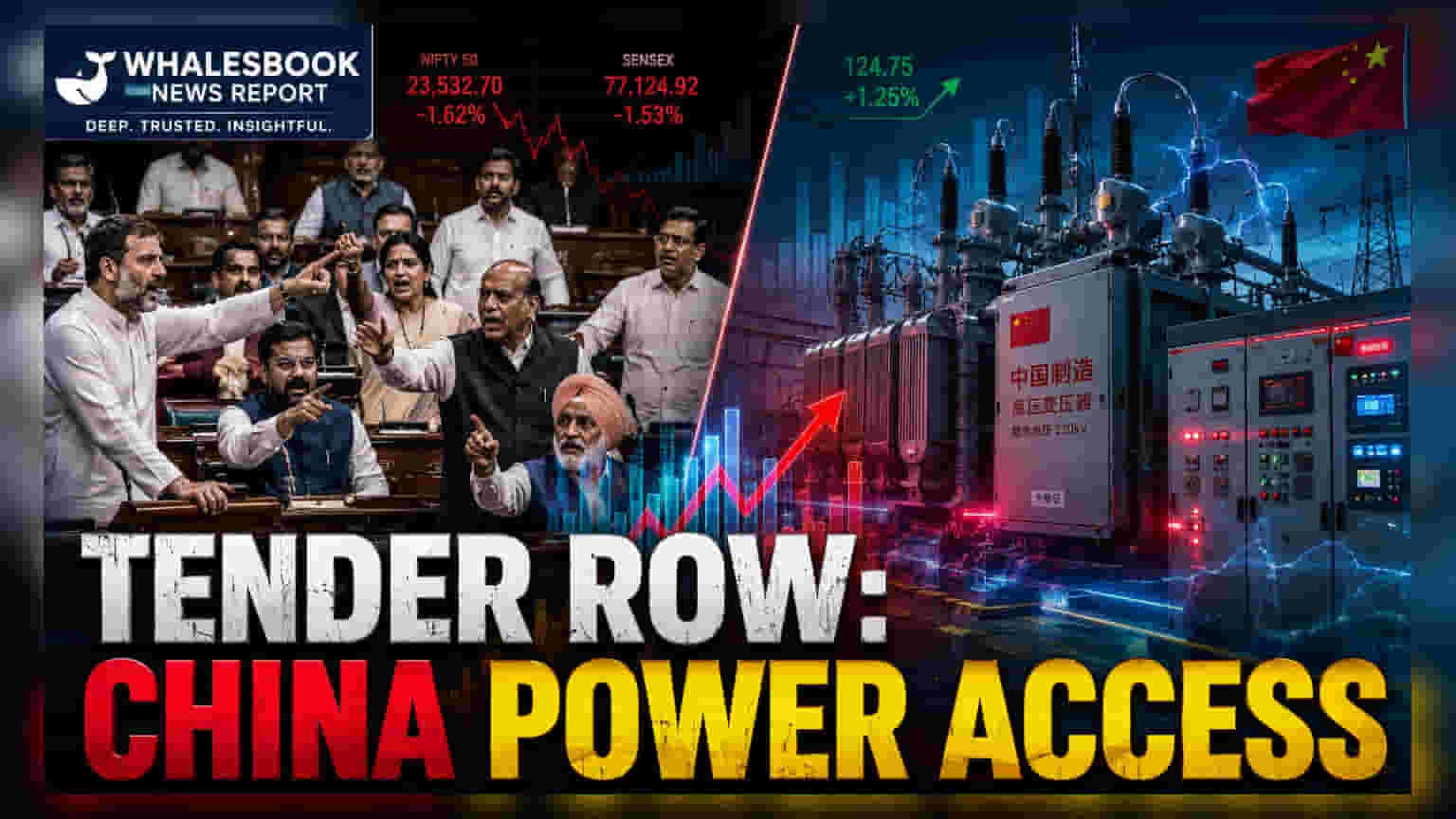
The Indian Finance Ministry has permitted four Chinese power equipment makers with local manufacturing to bid on government tenders for two years. This shift aims to speed up critical power network expansion, though it faces political criticism over ongoing border tensions.
What Happened
India has granted a temporary exemption allowing four Chinese-linked power equipment manufacturers to participate in government tenders. According to a finance ministry order dated June 24, 2026, the companies involved are TBEA Energy, Nanjing Electric India, New Northeast Electric India, and Taikai Electric (India). This two-year relaxation applies specifically to firms that have already established production facilities within India. The decision originated from a January request by the Ministry of Power, which sought to remove procurement hurdles for these entities to support urgent infrastructure needs.
Why This Matters For Infrastructure
India is currently managing a rapid increase in electricity demand and a massive scaling up of renewable energy infrastructure. The transmission network requires significant equipment to handle this growing capacity effectively. By allowing these specific manufacturers to bid, the government aims to increase competition and potentially reduce delays in project execution. Officials noted that this is a targeted, time-bound measure intended to accelerate domestic power network expansion and does not set a permanent precedent for broader market access.
The Shift in Procurement Policy
Since the border conflict in eastern Ladakh in 2020, India has maintained strict security protocols for Chinese companies. Firms from China have generally faced mandatory registration with government panels and rigorous political and security vetting for all public procurement. While this exemption marks a policy adjustment, it remains a sensitive issue. The government is attempting to balance the need for infrastructure growth with national security priorities, noting that the relaxation is limited only to companies with operational manufacturing bases inside Indian borders.
Political and Security Context
The decision has faced opposition from political groups, including the Congress party, which raised concerns regarding the ongoing trade deficit and security issues related to China. Critics have questioned the timing of this move given the historical tensions in areas such as the Galwan Valley and Arunachal Pradesh. While diplomatic discussions to manage border affairs are ongoing, the move highlights the friction between the government's economic growth targets and geopolitical considerations.
What Investors Should Track
For investors monitoring the power and infrastructure sectors, the key monitorables will be the actual participation of these firms in upcoming tenders and the speed of project awards. Additionally, investors should watch for any further government clarifications regarding security clearances or shifts in procurement norms. Whether this move helps lower the cost of equipment or speeds up project commissioning timelines for major power sector players will be a critical factor in determining the business impact over the next two years.