

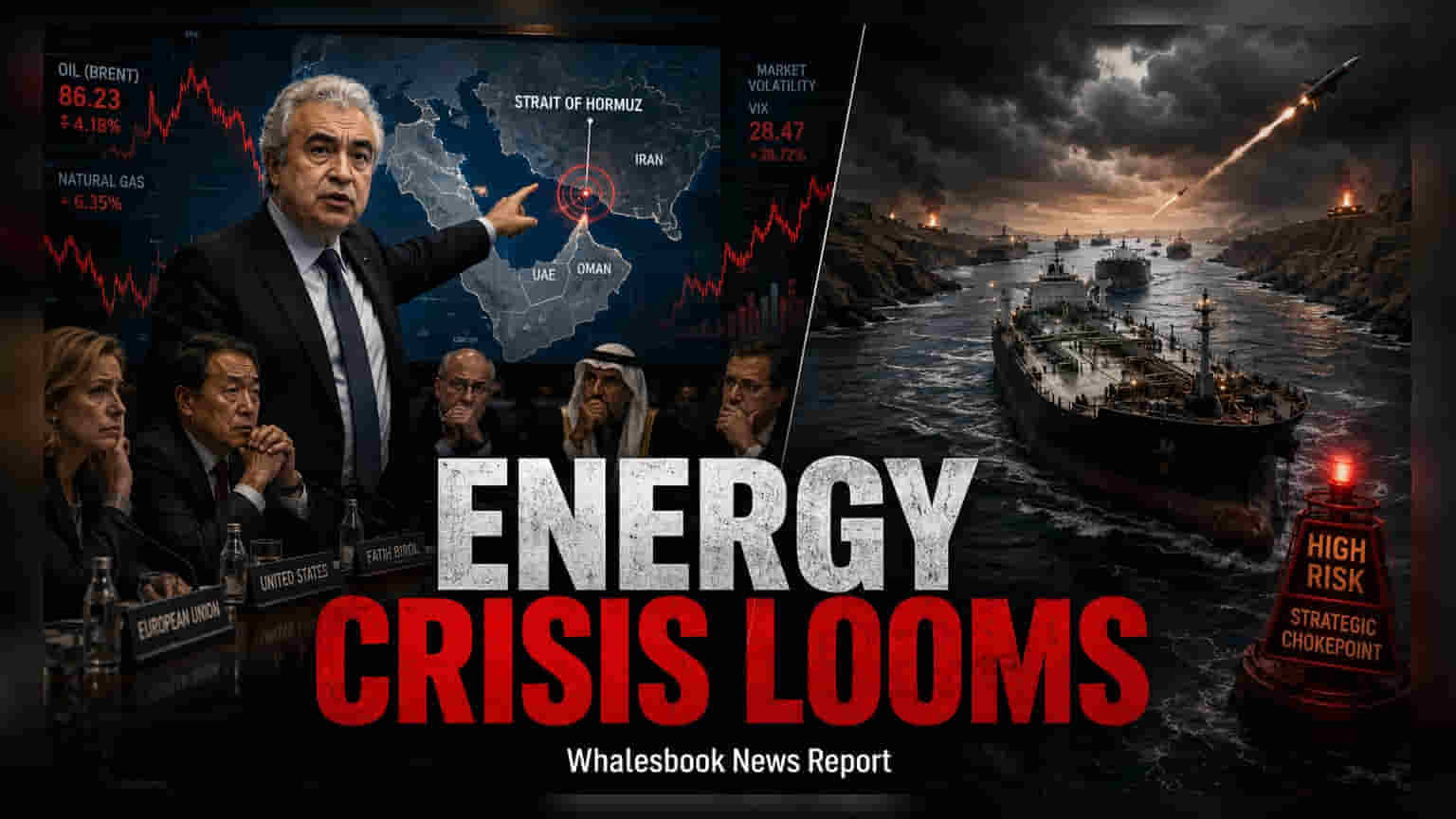
The International Energy Agency has warned of a deepening global energy crisis if oil shipments through the Strait of Hormuz are not resumed within weeks. The blockade, which began in late February, has severely impacted Asian economies that rely on this route for a majority of their energy supplies. While past reserve releases have helped moderate prices, the IEA signaled that such measures cannot offset long-term supply failures.
The International Energy Agency (IEA) has issued a serious warning regarding global energy security as disruptions to oil shipments through the Strait of Hormuz continue. Executive Director Fatih Birol stated that the situation requires urgent resolution within the coming weeks to prevent a wider crisis. This vital maritime route, positioned between Iran and Oman, historically facilitates the movement of approximately 20% of the world's daily oil supply.
Since February 28, 2026, the flow of oil through this passage has faced significant hurdles following military actions in the region. The resulting supply constraints have placed upward pressure on energy prices, creating a difficult environment for net energy-importing nations. For India and other Asian economies that depend on this chokepoint for 80% to 90% of their energy imports, the current situation has led to increased costs and domestic challenges.
Mitigating Factors and Reserve Releases
To combat the sudden supply gap, the IEA coordinated a release of 400 million barrels of oil from strategic reserves in March, which helped to reduce prices by roughly $20 per barrel. Furthermore, increased output from the United States has provided a necessary cushion to global supply. China has also utilized its significant reserves, which were estimated to be over 1 billion barrels prior to the conflict, and has focused on energy efficiency measures to reduce reliance on imported oil.
Despite these actions, officials emphasize that strategic reserve releases are temporary solutions and cannot replace steady, reliable maritime trade routes. The IEA has confirmed that the March release utilized only about 20% of the total reserves held by its member nations, indicating that while further interventions are possible, they are not a permanent fix for the current geopolitical blockage.
Regional Impact and Economic Strain
For developing nations in Asia, the sustained high cost of petroleum products has created severe economic strain. The IEA noted that in some regions, the lack of affordable energy has forced households to return to the use of traditional cooking fuels like wood and dung, which can lead to significant health complications due to indoor air pollution. These societal impacts underscore the vulnerability of emerging markets to sustained volatility in global oil shipping routes.
Investors monitoring the situation should track updates regarding the status of the Strait of Hormuz and any further geopolitical developments in the region. The effectiveness of future IEA reserve management, global production levels, and the ability of major economies to manage energy consumption during this period remain the primary variables affecting energy pricing and inflation risks for energy-importing countries like India.