 Whalesbook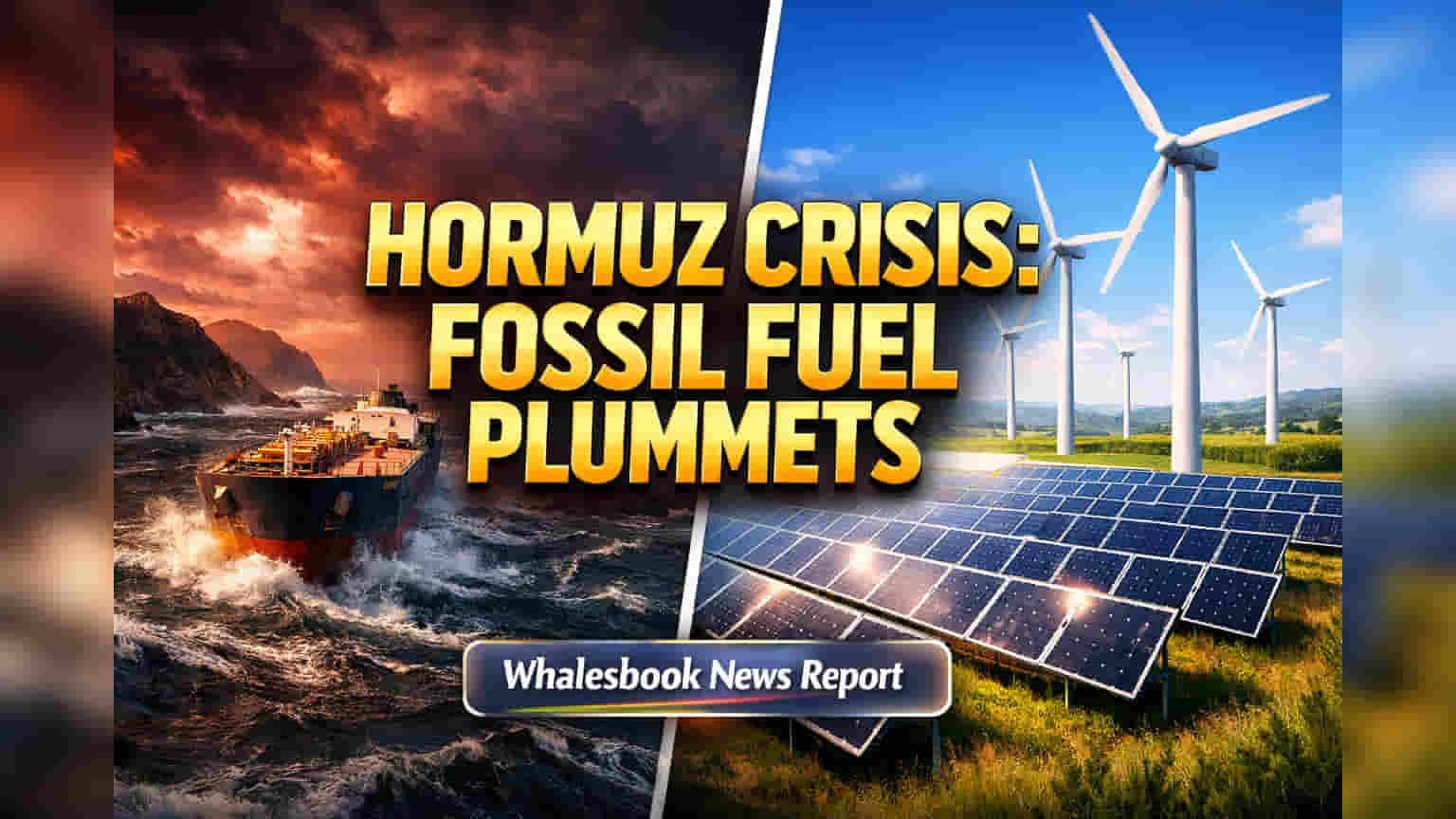


Renewables Surge as Fossil Fuels Fall
The crisis in the Strait of Hormuz has acted as a catalyst for the energy transition, rather than a pause. Instead of prompting a return to fossil fuels, the disruption has highlighted the growing resilience and vital role of renewable energy sources in navigating global events and market swings. This period marks a turning point, showing the shift towards clean energy is accelerating due to energy security concerns. Global fossil fuel power generation experienced a decline, largely driven by reduced gas output. However, this drop was fully offset by a significant rise in renewable energy generation, including substantial increases in solar and wind power, bolstered by recent capacity additions.
Divergent Trends Across Nations
The crisis has highlighted differing energy paths among major economies. Outside China, coal power generation saw a decrease, indicating a broader trend away from these fuels even amidst supply shocks. China, however, experienced a modest rise in coal generation in some coastal areas as high gas prices led to some fuel switching, though overall coal use remained below previous levels. India showed a pronounced shift away from fossil fuels, with significant reductions in coal-fired generation primarily driven by rapid solar energy expansion. Globally, record amounts of new solar and wind capacity were installed in 2025, with wind deployment accelerating significantly year-over-year. Analysts noted that many existing coal plants were already operating near maximum capacity, limiting their ability to further increase output, which countered expectations of a substantial rise in coal generation. Seaborne coal transport volumes also declined in March, reaching lows not seen since 2021. The U.S. also added substantial solar and wind capacity in 2025, with renewables expected to form a larger part of its power mix.
Fossil Fuel Reliance Remains a Key Risk
Despite the surge in renewables, the global economy's continued dependence on fossil fuels presents significant risks. The Strait of Hormuz disruption, a critical transit point for about 20% of global oil demand, exposed the vulnerability of concentrated energy supply chains. Economies heavily reliant on imported energy faced disproportionate impacts from rising prices and potential shortages. Even with rapid renewable growth, fossil fuels still meet a large majority of rising global energy demand. The conflict also contributed to broader inflation pressures and slower global growth forecasts. Damage to energy infrastructure and the risk of prolonged disruptions mean that restarting production could take weeks or months, extending the period of elevated prices and market uncertainty. The crisis serves as a clear lesson on the risks tied to fossil fuel dependence.
Energy Transition Accelerates
The energy sector is undergoing a fundamental reshaping, driven by both climate goals and immediate security needs. Investment in clean energy technologies reached high levels in 2025, showing a sustained commitment to the transition. Analysts project that renewable energy generation will continue to grow strongly in the coming year. The ongoing expansion of solar and wind capacity, alongside advancements in energy storage and a renewed focus on nuclear power, points towards a future energy system designed for greater stability. However, modernizing grids and strengthening supply chains are crucial to fully realize the transition's benefits and prevent future shocks.