

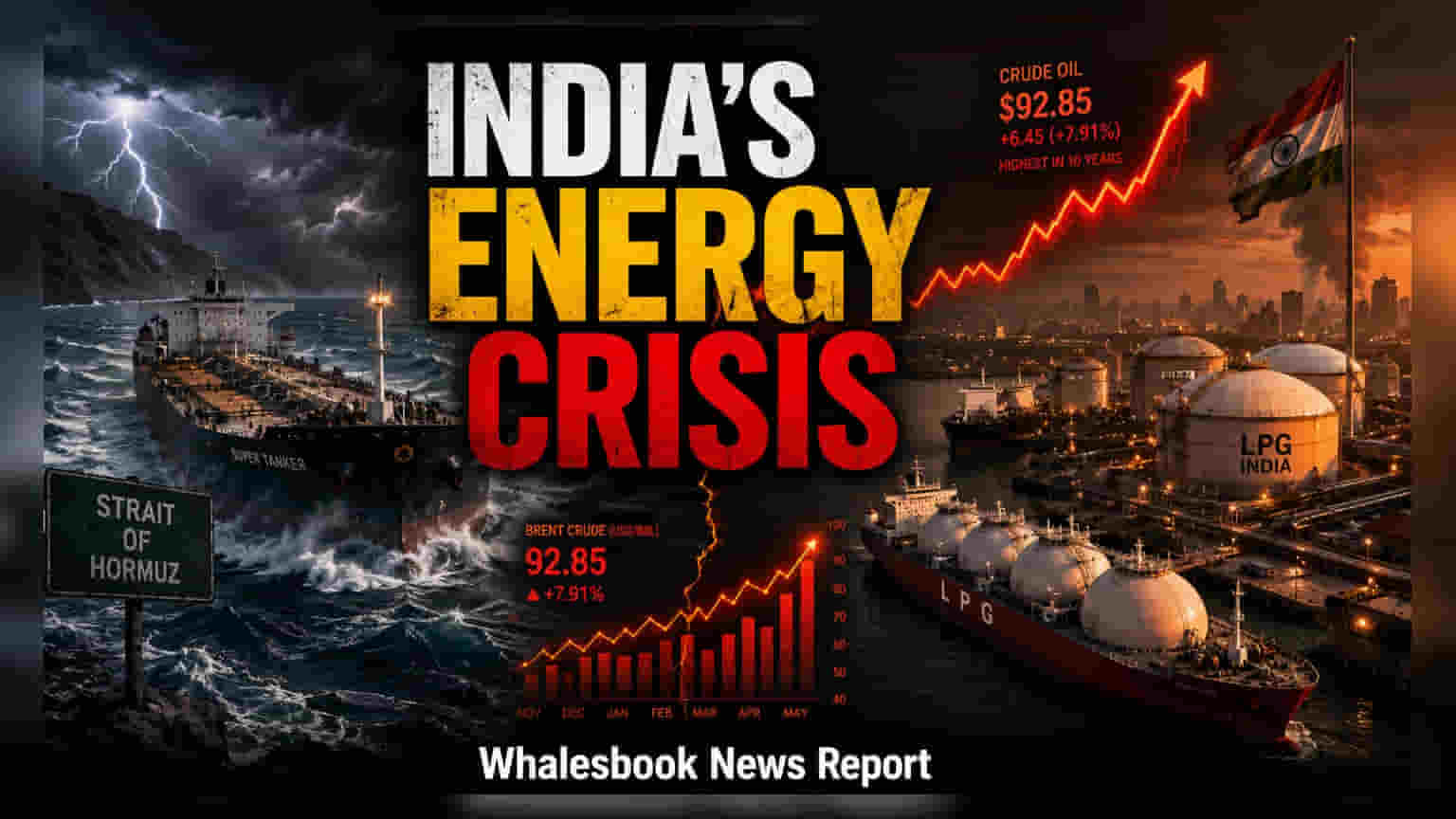
Rising geopolitical tensions in the Gulf are pushing global oil prices toward $87 a barrel, threatening India's energy supply. While crude and LNG have alternative sourcing options, the nation's heavy reliance on Gulf-imported LPG faces potential shortages. Investors should monitor how these supply chain pressures may impact the margins of Indian oil marketing companies and domestic fuel costs.
Escalating geopolitical instability in the Gulf region is causing concern for India’s energy sector as Brent crude prices climb toward $87 a barrel. The ongoing conflict, involving tensions near the Strait of Hormuz and recent regional attacks, has created a volatile environment for global energy shipments. While India has demonstrated the ability to diversify its crude oil and Liquefied Natural Gas imports, the supply of Liquefied Petroleum Gas, or LPG, remains a point of vulnerability due to its high dependence on Gulf producers.
Impact on Energy Logistics and Costs
The Strait of Hormuz is a vital transit route for a large portion of the world’s oil and gas exports. Heightened security concerns and the threat of disruptions in the Red Sea have forced shipping companies to consider longer, more expensive routes, such as navigating around the Cape of Good Hope. These logistical hurdles increase the time and cost required to transport fuel to India. Furthermore, discussions regarding potential tolls on cargo transiting the Strait have added to market uncertainty. Although analysts suggest such tolls would make imports economically difficult and face widespread opposition, the mere possibility keeps upward pressure on fuel costs.
Supply Chain Risks for Indian Importers
For Indian energy companies, the primary challenge lies in maintaining steady LPG availability. Unlike crude oil, which is sourced from a wider array of global markets, a significant portion of India's LPG comes from Middle Eastern suppliers. Depleted global inventories exacerbate this situation, leaving little room for error if supply lines are cut or delayed. Any prolonged disruption or increase in freight costs could put pressure on the profit margins of Oil Marketing Companies, as they must balance volatile import costs with domestic retail pricing structures.
Government and Diplomatic Response
The Indian government is closely monitoring the safety of commercial vessels and the stability of maritime routes. The Ministry of External Affairs has publicly condemned attacks on civilian and commercial infrastructure in the region, emphasizing the need to restore free navigation. These diplomatic efforts are aimed at protecting Indian seafarers and ensuring that vital energy imports reach the country without further interruption.
Moving forward, the key factor for investors to track will be the stability of maritime transit routes in the Gulf and the Red Sea. Any evidence of sustained disruptions or significant spikes in shipping insurance and freight rates may serve as an early indicator of potential pressure on the operational costs of state-run and private oil marketing entities. Additionally, market participants will watch for any shifts in India’s sourcing strategy to mitigate reliance on the most conflict-prone regions.